Why Proper Weep Screed Installation Is Critical to Prevent Stucco Failure showing all messages
Why Proper Weep Screed Installation Is Critical to Prevent Stucco Failure
Stucco is a durable and popular choice for exterior finishes due to its timeless appearance and weather-resistant qualities. However, if not properly installed or maintained, stucco can be susceptible to moisture infiltration, which can lead to significant damage. One of the key elements in preventing moisture damage and stucco failure is the weep screed. Proper weep screed installation is essential for ensuring that your stucco performs as it should and maintains its longevity.
What is a Weep Screed?
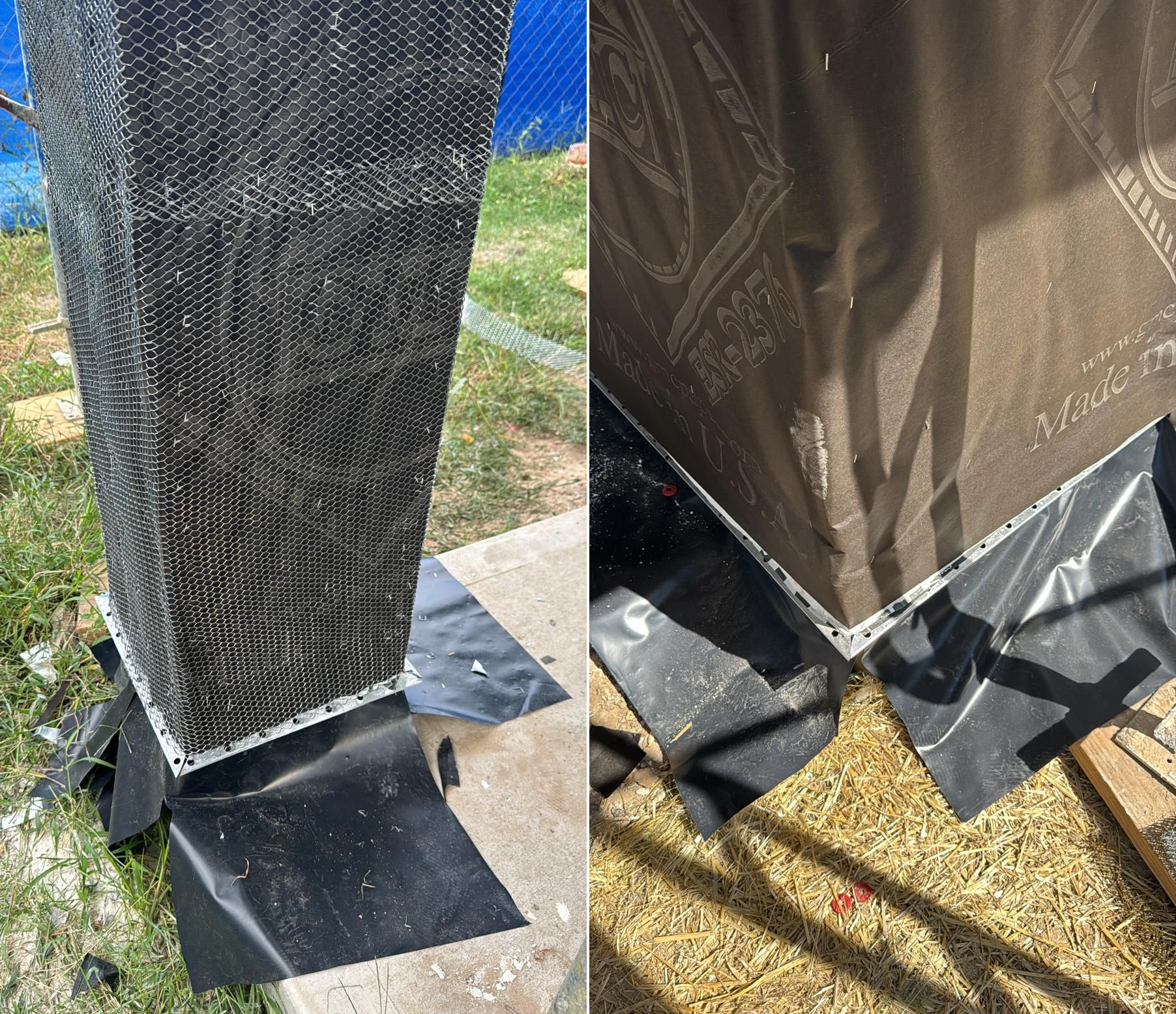
A weep screed is a metal or plastic strip installed at the bottom of the stucco wall, just above the foundation. It serves as a drainage system, allowing any moisture that gets trapped behind the stucco to escape, preventing water from becoming trapped in the wall structure. The weep screed directs water to the outside, ensuring it does not accumulate and cause rot, mold, or other forms of moisture damage inside the walls.
Why is Proper Weep Screed Installation So Important?
Prevents Moisture Damage
The primary function of the weep screed is to allow water to escape from behind the stucco. Without a properly installed weep screed, water can become trapped between the stucco and the underlying wall materials, leading to significant moisture damage.
- Wood rot: Moisture can seep into wooden framing, leading to decay and compromising the integrity of the building structure.
- Mold and mildew growth: Prolonged moisture exposure creates the perfect breeding ground for mold and mildew, which can not only damage your home but also pose health risks.
- Stucco cracking: Excess moisture can cause the stucco to crack, weakening the material and leading to potential failure.
Enhances the Durability of the Stucco System
Stucco is designed to protect the underlying structure from the elements, but it must have proper drainage to function effectively. When installed correctly, a weep screed ensures that any water that enters the system is directed outside, rather than accumulating inside the walls. This reduces the risk of premature stucco failure and extends the lifespan of your exterior finish.
Helps to Maintain Energy Efficiency
Moisture behind the stucco can negatively affect the insulation and energy efficiency of your home. Wet insulation loses its effectiveness, leading to higher heating and cooling costs. Proper drainage through the weep screed helps maintain the integrity of the insulation, improving the overall energy efficiency of your home.
Prevents Structural Damage
The weep screed plays a crucial role in protecting the structure of your home from water damage. By allowing moisture to escape, it reduces the risk of water entering areas like the foundation, walls, and framing. This helps prevent costly structural damage over time.
How to Ensure Proper Weep Screed Installation
- Correct Placement
The weep screed should be installed at the bottom of the stucco system, just above the foundation. It should extend slightly beyond the edge of the foundation to allow for proper drainage. The weep screed must be placed securely and level to ensure water flows out of the wall cavity properly.
- Clear Drainage Path
For the weep screed to function properly, the drainage path must be clear of obstructions. This means that the area above the weep screed should be free from debris, mortar, or any other materials that could block the flow of water.
- Proper Sealing
The weep screed should be properly sealed to prevent water from seeping behind the stucco. Any gaps or poorly sealed sections can allow water to penetrate the wall, leading to potential moisture damage. Ensure the weep screed is tightly secured along all edges and joints.
- Consistent Installation
The entire length of the wall should have a continuous weep screed, without gaps or interruptions. Inconsistent installation can result in moisture buildup in certain areas of the wall, leading to damage.
- Use of High-Quality Materials
When installing a weep screed, it's important to use durable, corrosion-resistant materials. Metal weep screeds should be made from high-quality, rust-resistant alloys to ensure they last over time. Plastic weep screeds should be UV-resistant to prevent degradation from exposure to sunlight.
Signs of Improper Weep Screed Installation
Improper installation of the weep screed can lead to several visible and structural issues. Look for the following signs that your weep screed might not be functioning properly:
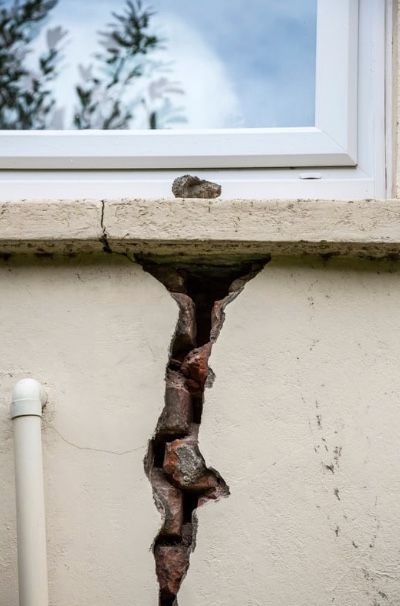
- Cracks in the stucco: This can occur if moisture is trapped behind the stucco.
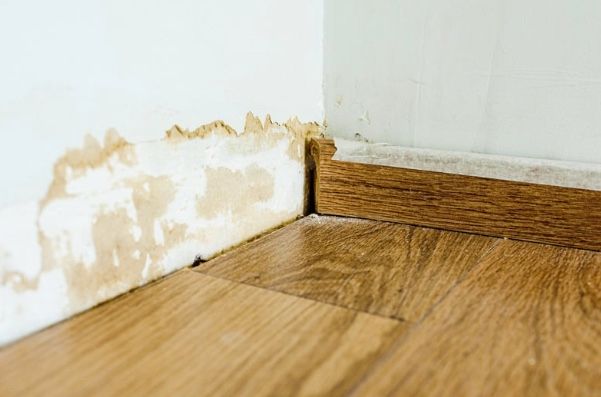
- Staining or discoloration: Water stains or discoloration at the base of the stucco wall could indicate trapped moisture.
- Musty odor or mold growth: These are signs that moisture has been trapped behind the stucco for an extended period.
- Wet or damp areas on the interior walls: This is a clear indication that moisture is seeping through to the inside of the home.
Conclusion
Proper weep screed installation is a critical step in ensuring the longevity and durability of your stucco system. By allowing water to drain properly, the weep screed helps prevent moisture buildup, which can lead to rot, mold, and damage to the structure. Whether you’re installing stucco on a new construction or maintaining an existing building, ensuring the correct placement and installation of the weep screed is essential to protect your home from the damaging effects of moisture.
Regular inspection and maintenance of your weep screed can help identify potential issues before they cause significant damage. If you’re unsure about the installation or condition of your weep screed, it’s always best to consult a professional to ensure that your stucco system remains in top condition.
You might also like