How to Identify Stucco Water Damage Before It Becomes a Major Repair
How to Identify Stucco Water Damage Before It Becomes a Major Repair
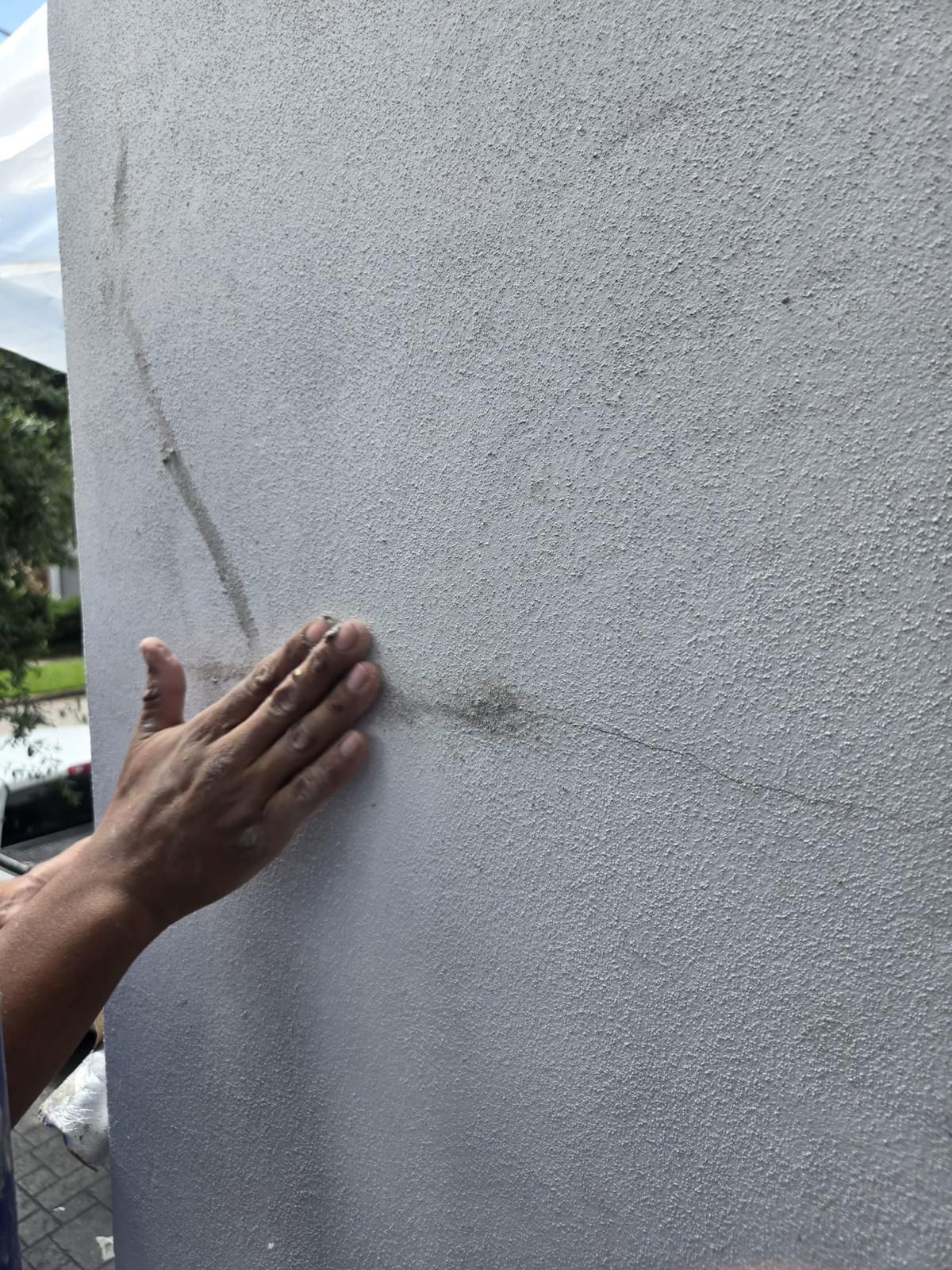
Here’s how you can spot water damage in stucco before it gets out of hand:
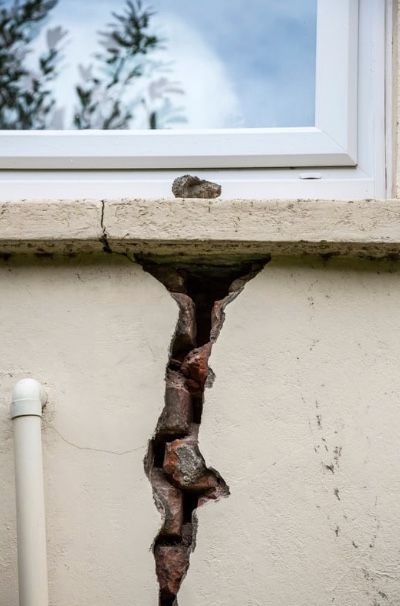
1. Cracks and Holes in the Stucco
Over time, even small cracks or holes in stucco can allow water to seep in. While it might seem like a minor issue at first, water that enters through cracks can cause the stucco to weaken, leading to bigger problems. Regularly check for any visible damage, and make sure to seal up any gaps promptly.
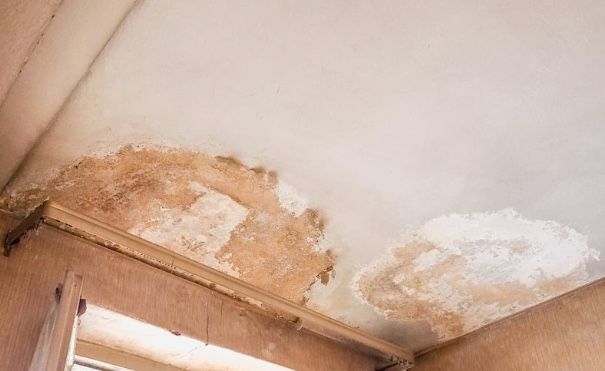
2. Discoloration or Stains on the Surface
If you notice dark spots, streaks, or stains on your stucco, it could be a sign that moisture has gotten trapped behind the surface. This is often an early indication of water damage, which can lead to mold or mildew growth if left unresolved. The longer the water stays behind the stucco, the more damage it can cause.
3. Peeling Paint or Soft Spots
Stucco that’s painted can give you a clear indication of moisture issues. When water gets trapped inside, it can cause the paint to peel, crack, or bubble. You may also notice soft spots or crumbling areas in the stucco itself. These are clear signals that moisture is weakening the material and could be a sign of a deeper issue that requires attention.
4. Mold and Mildew Growth
Mold and mildew thrive in damp environments, so if you notice a musty smell or see any black or green spots on your stucco, it’s a sign that water has been sitting in or behind your walls for a while. Mold not only damages the stucco, but it can also pose a health risk, so it’s important to address the issue as soon as possible.
5. Efflorescence (White Powdery Stains)
Efflorescence appears as white, chalky stains on the surface of stucco. This happens when moisture from inside the wall evaporates, leaving mineral deposits behind. While it may not always signal a serious issue, efflorescence is a sign that there’s excess moisture in the stucco, and you should monitor the area for further signs of damage.
6. Water Pooling Around the Base of the Stucco
Check the ground around your stucco walls. If water is consistently pooling near the foundation, it can seep into the stucco and cause significant damage over time. Poor drainage or clogged gutters can be the main culprits in causing this issue. Make sure that gutters are clean and water is directed away from the base of your home.
7. Damaged or Soft Wood Trim
Water damage to stucco can affect the wood trim around windows and doors. If the wood is soft, discolored, or rotting, it’s a sign that water has made its way into the stucco and is damaging the wood as well. Pay close attention to any wood that appears to be deteriorating.
8. Energy Bills on the Rise
If you’re noticing higher than usual energy bills, it could be due to water damage behind your stucco walls. Water can impact the insulation and cause temperature fluctuations inside your home, making your heating or cooling system work harder. This can be an indicator that moisture is compromising your home’s energy efficiency.
How to Prevent Stucco Water Damage
The good news is that many cases of stucco water damage can be prevented with regular maintenance.
Here are a few simple steps to protect your stucco:
Seal Cracks and Gaps: Regularly check for cracks and holes, especially around windows and doors, and seal them promptly.
Clean Gutters and Ensure Proper Drainage: Make sure gutters are clear and water is directed away from the foundation of your home.
Apply a Protective Coating: Consider applying a water-repellent coating to your stucco every few years to create a barrier against moisture.
Address Problems Early: The sooner you catch signs of water damage, the easier and less expensive it will be to fix.
Stucco is a durable and beautiful material for your home’s exterior, but like anything, it requires care and attention to ensure it stays in good condition. By identifying early signs of water damage and addressing them promptly, you can avoid costly repairs and protect your home for years to come.
You might also like