Stucco Cracks Explained: Which Cracks Are Cosmetic and Which Are Structural?
Stucco Cracks Explained: Which Cracks Are Cosmetic and Which Are Structural?
Stucco is a popular choice for exterior finishes due to its durability and aesthetic appeal. However, over time, stucco can develop cracks, which may raise concerns about the structural integrity of your home. Not all cracks in stucco are cause for alarm—some are purely cosmetic, while others could indicate serious underlying problems. Understanding the difference between these two types of cracks is crucial in deciding when to call for repairs or when it’s safe to ignore them.
Here’s a breakdown of the different types of stucco cracks and how to identify which ones are cosmetic and which ones may be structural.
1. Cosmetic Cracks
Cosmetic cracks are typically superficial and don't affect the overall integrity of your stucco or the structure behind it. They are common in older homes or as the house settles over time. These cracks usually occur due to natural expansion and contraction of the stucco material as it adjusts to weather changes.
Signs of Cosmetic Cracks:
- Hairline cracks: These are very thin and usually less than 1/8 inch wide. They may appear as a result of normal wear and tear, temperature fluctuations, or slight settling of the home.
- Surface-level cracks: Cosmetic cracks are typically confined to the stucco's surface layer and don’t extend deep into the structure.
- No water damage: Cosmetic cracks don’t allow water to penetrate the surface. They might be dry with no sign of moisture damage like staining or mold growth.
What to Do:
Cosmetic cracks are usually easy to repair with a simple patching compound or caulk. As long as the cracks are not getting worse, you can typically fix them yourself or hire a professional for a quick repair.
2. Structural Cracks
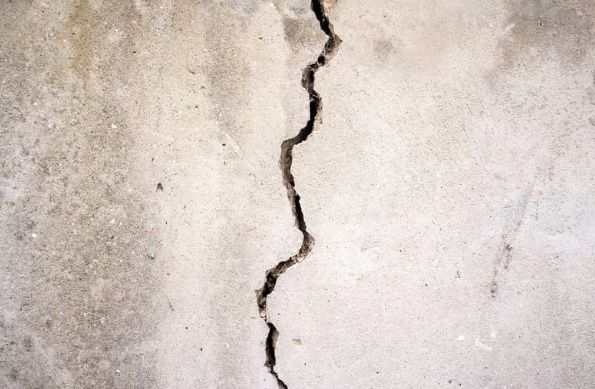
Structural cracks are more serious and can indicate a problem with the foundation or the underlying framework of your home. These cracks are typically wider, deeper, and more irregular in shape than cosmetic cracks. If left unchecked, structural cracks can lead to significant damage to the walls, foundation, and overall stability of your home.
Signs of Structural Cracks:
- Wide cracks: Structural cracks are typically wider than 1/8 inch and may grow larger over time. They can be jagged, diagonal, or zigzag in appearance.
- Cracks that run through the stucco layers: Structural cracks often penetrate the surface and may go deeper, exposing the underlying materials such as the wire mesh or the concrete behind the stucco.
- Vertical or horizontal cracks: Cracks that run vertically or horizontally across the walls are often more serious than those that are simply hairline fractures.
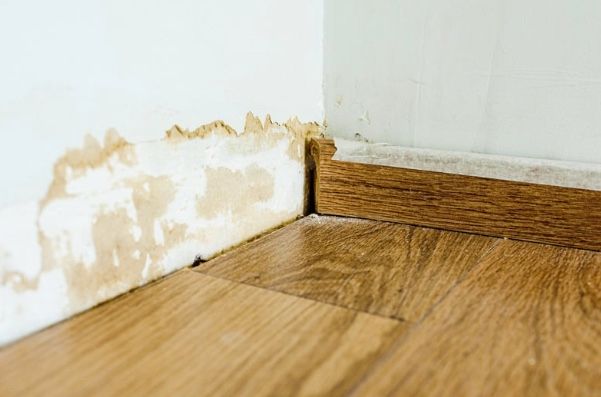
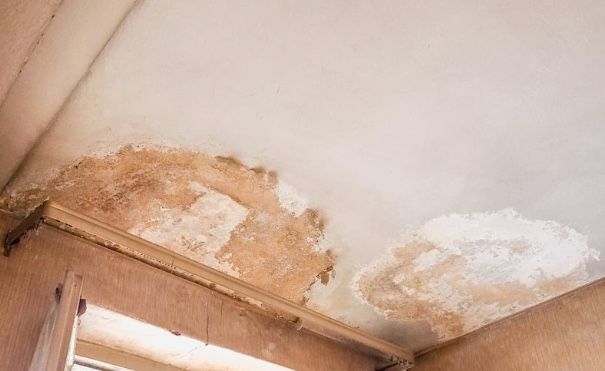
- Water infiltration: If water is entering through the cracks and causing staining, mold, or mildew inside your home, it is a sign that the cracks are allowing moisture to penetrate. This can lead to more serious issues like rotting wood or weakening of the structure.
- Movement in the walls: If you notice that doors or windows are sticking or won’t close properly, it could be due to shifting caused by structural cracks.
What to Do:
If you notice structural cracks, it’s essential to have them inspected by a professional contractor or structural engineer. They will assess the severity of the cracks and determine whether the foundation or framing needs to be repaired. Ignoring structural cracks can lead to costly repairs and potential safety risks down the line.
3. Other Types of Cracks to Watch Out For
- Settlement Cracks: As your home settles, cracks may appear in the stucco. These are common in new homes or homes that have undergone foundation work. Settlement cracks are often narrow and straight.
- Expansion Cracks: Stucco is designed to expand and contract with changes in temperature. Over time, this movement can lead to small cracks. If these cracks are evenly spaced and small, they may simply be part of the stucco’s natural movement and not a concern.
- Stress Cracks: These can form when the stucco is applied too thickly or unevenly. Stress cracks often appear as straight lines and can be fixed with proper repairs to the stucco surface.
How to Prevent Stucco Cracks:
While some cracking is inevitable over time, you can take steps to minimize the risk of major cracks developing:
- Proper installation: Make sure your stucco is installed by professionals who know how to apply it correctly and ensure it’s bonded to the wall properly.
- Regular maintenance: Keep gutters and downspouts clean to prevent water from pooling around the base of the stucco. Water damage is a common cause of structural cracks.
- Control moisture levels: Ensure that your home’s exterior is well-sealed to prevent excess moisture from affecting the stucco. Use a water-resistant sealant or coating to protect the stucco from rain and humidity.
Conclusion:
Understanding the difference between cosmetic and structural cracks in stucco is essential for determining whether a repair is needed. Cosmetic cracks are usually harmless and can be easily fixed, but structural cracks should not be ignored. If you notice wide, deep cracks or signs of water damage, it’s important to consult with a professional to prevent further issues. By keeping an eye on your stucco and addressing cracks early, you can protect the long-term health of your home’s exterior.
You might also like