Stucco Damage Houston TX from Summer Humidity
How Houston Humidity Leads to Stucco Damage in Summer

The summer heat in Houston is not just uncomfortable—it’s tough on homes, especially exterior stucco. Between high humidity, heavy rain bursts, and long stretches of heat, exterior walls are constantly expanding and contracting. Over time, this movement leads to visible stress on stucco surfaces.
Many homeowners don’t realize the early signs of damage until small cracks or discoloration start showing up. These issues often point to deeper problems caused by trapped moisture and seasonal weather shifts. Understanding how Houston’s climate affects stucco can help prevent costly repairs later on.
Why does Houston humidity cause stucco to crack?
Constant moisture absorption weakens stucco
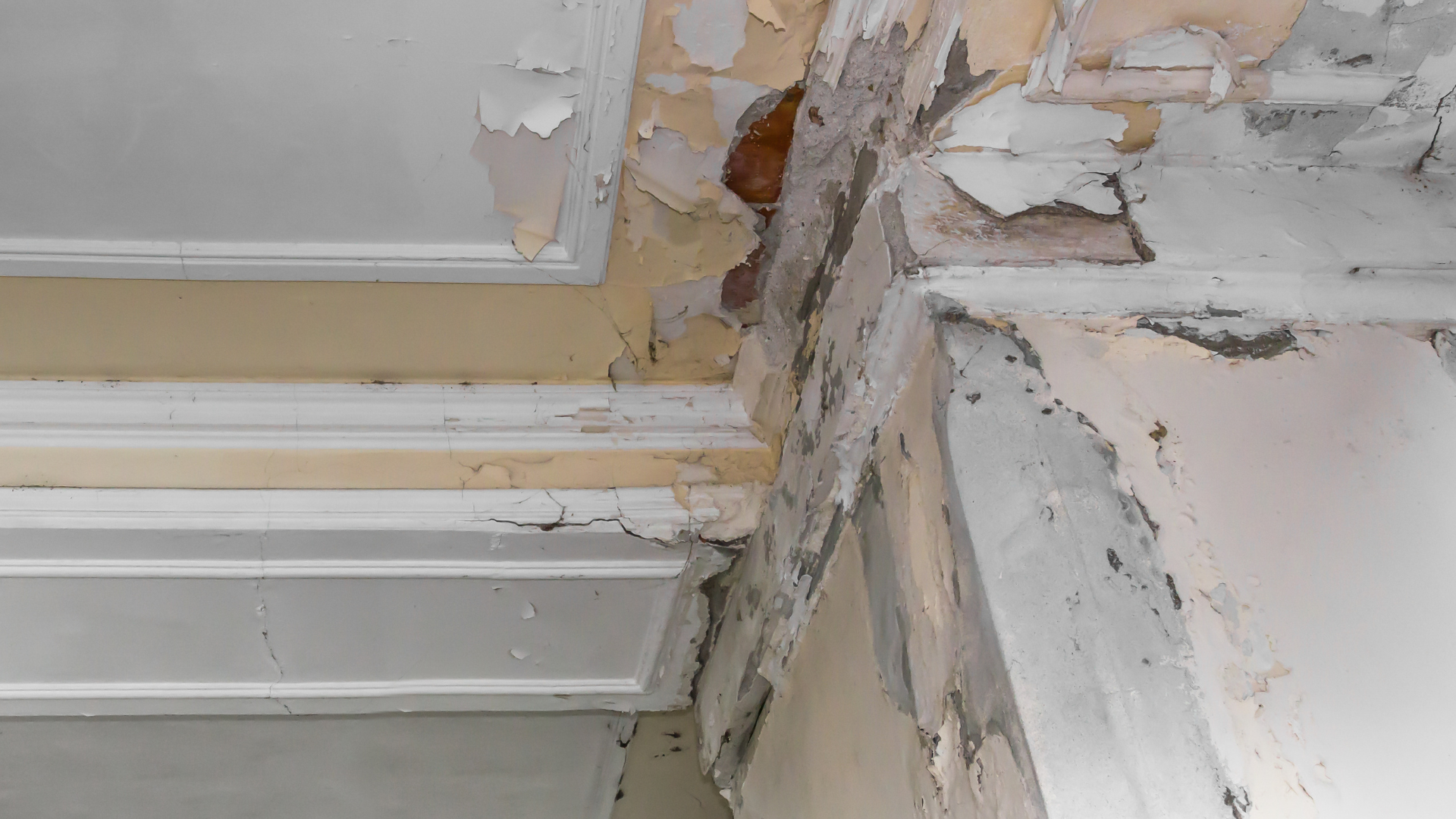
Houston’s air holds a high amount of moisture almost year-round. Stucco naturally absorbs and releases this moisture, but repeated cycles can weaken its structure. Over time, this leads to stucco damage Houston TX homeowners often notice as fine cracking or surface flaking.
When moisture sits too long inside the wall system, it creates internal stress. This is especially common in shaded areas of homes that dry slowly after rain.
Temperature swings increase surface stress
In summer, exterior walls heat up during the day and cool down at night. This expansion and contraction cycle contributes to humidity cracks that slowly widen over time. What starts as hairline fractures can eventually turn into visible summer wall damage.
What are the early signs of summer stucco damage?
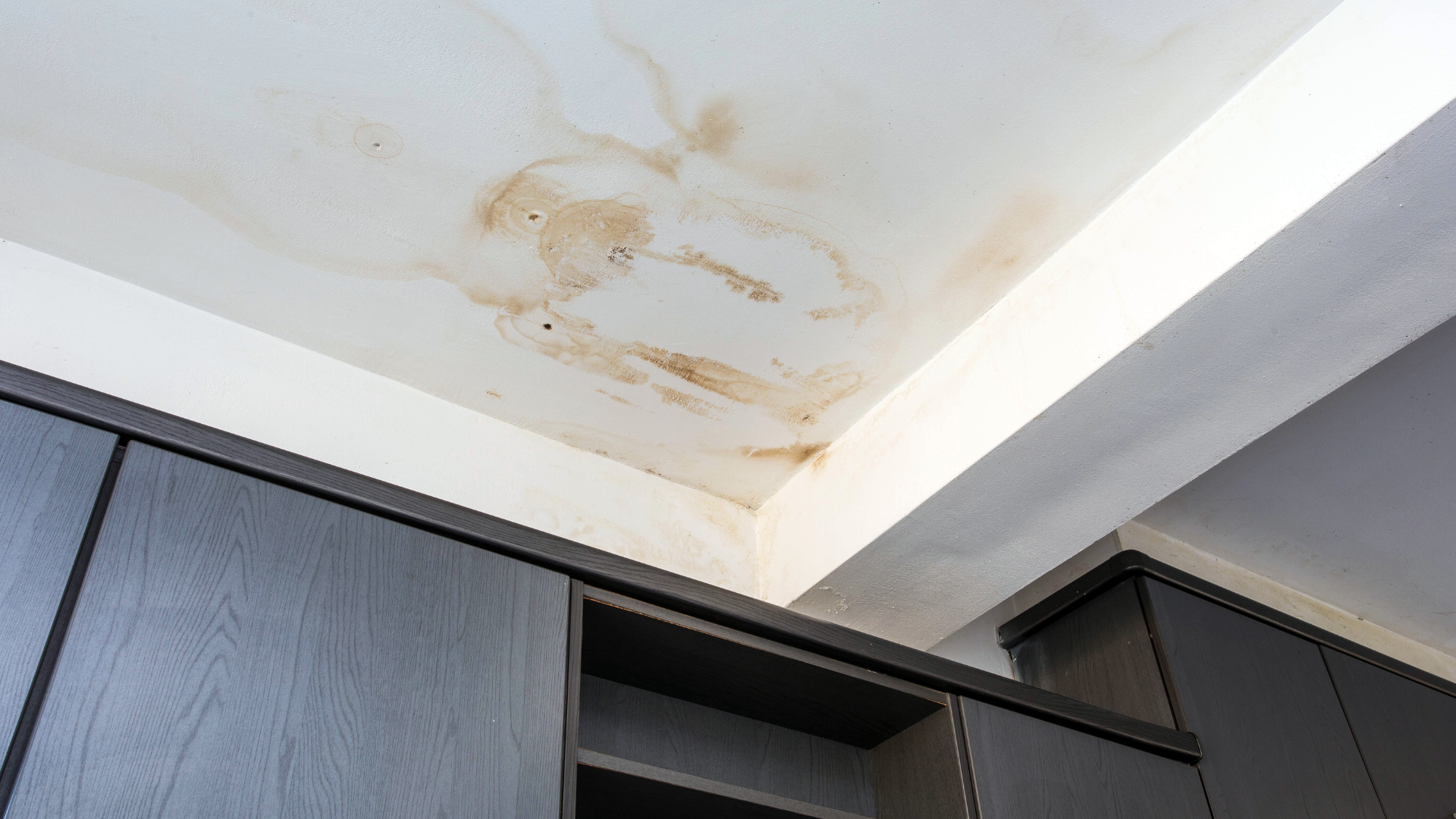
Small cracks and hairline fractures
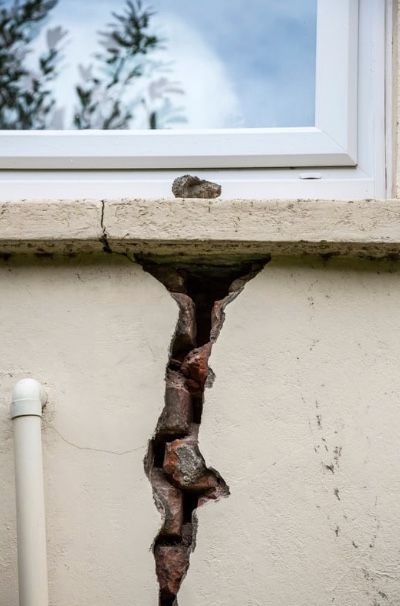
One of the first signs of trouble is thin cracks spreading across exterior walls. These may seem cosmetic at first, but they often signal deeper moisture issues. In many cases, early detection can prevent more serious structural damage.
Discoloration and staining on exterior walls
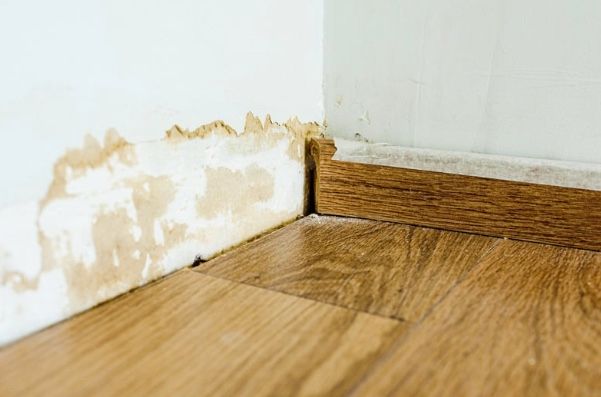
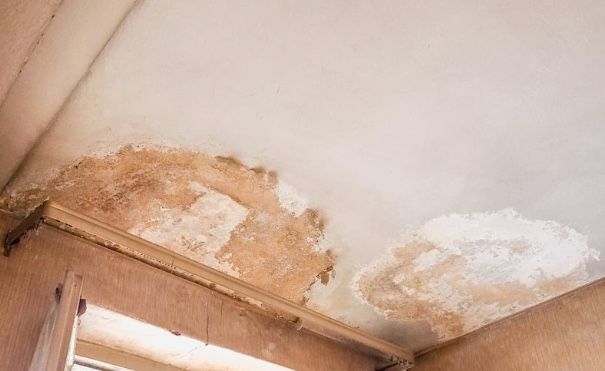
Dark patches or uneven coloring often point to trapped moisture inside stucco layers. This is especially common in humid areas like Houston where drying time is limited. Left untreated, it can lead to deterioration beneath the surface.
Soft or hollow-sounding areas
If parts of the wall sound hollow when tapped, it may indicate moisture has weakened the base layer. This is a sign that professional inspection is needed before repairs become more extensive.
How moisture impacts stucco over time
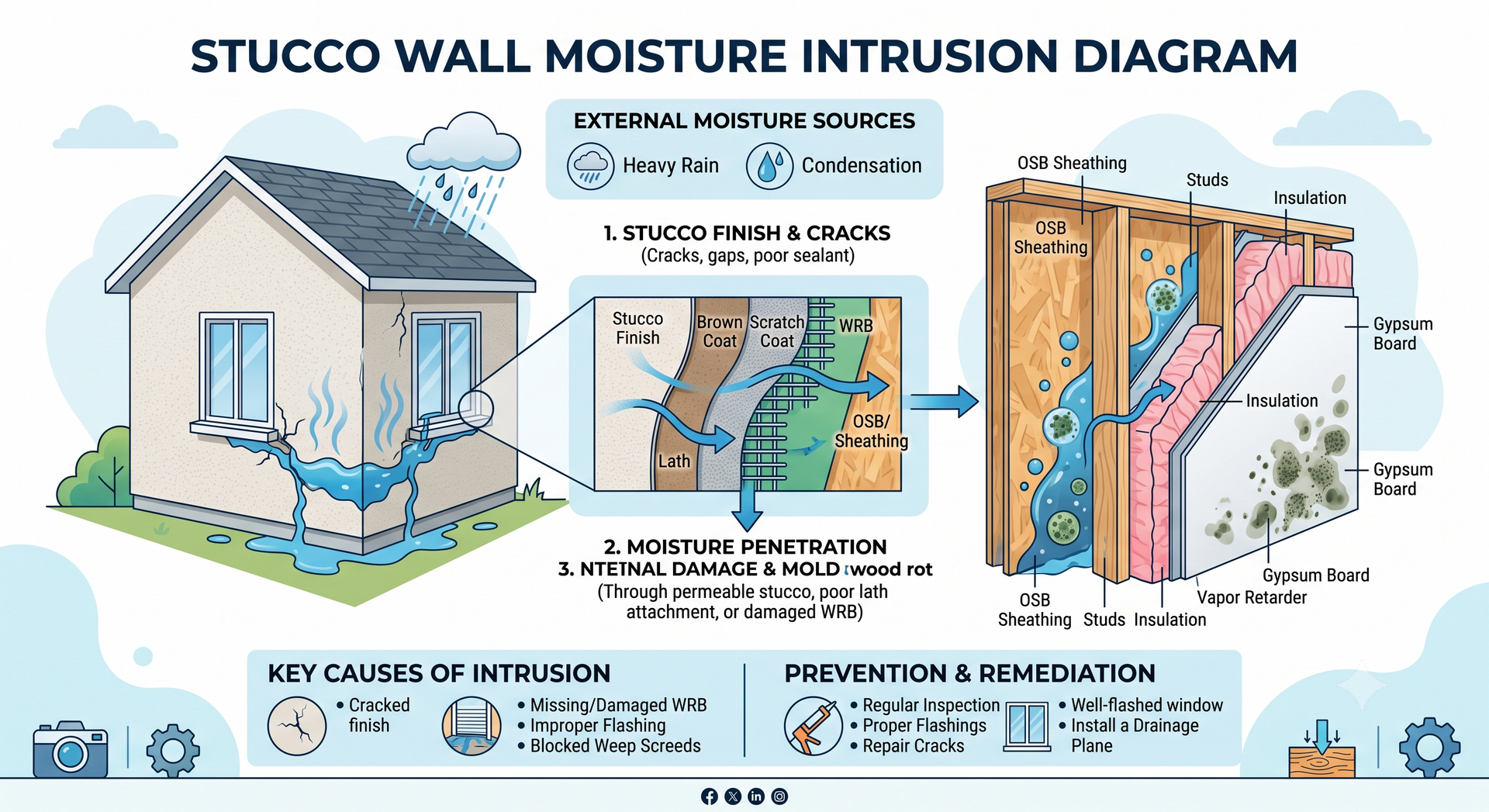
Water intrusion behind the surface
Even small gaps can allow moisture to enter behind stucco layers. Once inside, it becomes trapped and slowly breaks down the material from within. This is one of the leading causes of long-term stucco damage Houston TX homes experience.
Homeowners looking to prevent this often explore maintenance options like stucco maintenance services in Cypress to help address early-stage issues before they spread.
Mold growth and hidden wall damage
Excess moisture creates the perfect environment for mold growth inside wall systems. This not only affects the stucco itself but can also impact insulation and framing. In humid climates like Houston, this risk increases significantly during summer months.
What can homeowners do to protect stucco in summer?
Regular inspections after heavy rain
After storms, it’s important to check for new cracks or stains. Early detection helps prevent moisture from settling into deeper layers of the wall system. This is especially important in neighborhoods across Houston where sudden summer storms are common.
Professional repair and coating solutions
Applying protective coatings or repairing small cracks early can extend the life of stucco. Services like stucco painting and surface sealing help reduce moisture absorption during peak humidity seasons.
Balcony and exterior structure maintenance
Balconies and elevated surfaces often show damage first due to increased exposure. Homeowners can explore balcony repairs in Houston to address structural wear before it spreads to surrounding walls.
Houston humidity and its impact on local homes
Houston’s climate creates one of the most challenging environments for exterior finishes. The combination of high humidity, heat, and sudden rainstorms means stucco is constantly under pressure. Homes in older neighborhoods are especially vulnerable due to aging materials and previous repairs that may not have addressed moisture properly. Staying ahead of stucco damage Houston TX homeowners face requires consistent attention during the summer months.
Protect your home before damage spreads

Solid Stucco helps homeowners identify and repair moisture-related wall issues before they turn into costly structural problems. If you’ve noticed cracks, staining, or early signs of summer wall damage, call Solid Stucco at 713-478-1942 or learn more about our stucco maintenance solutions today.
Frequently Asked Questions
Why does stucco crack more in Houston during summer?
High humidity and heat cause constant expansion and contraction in exterior walls. Over time, this movement leads to visible cracking, especially in older stucco systems that have absorbed years of moisture.
Can humidity alone cause serious stucco damage?
Yes, prolonged exposure to humidity can weaken stucco even without direct water leaks. Moisture buildup inside walls is one of the main causes of long-term deterioration in Houston homes.
How do I know if my stucco damage is serious?
If you notice widening cracks, staining, or soft wall spots, it may indicate deeper issues. These signs often mean moisture has already entered the wall system and should be inspected quickly.
What’s the best way to prevent summer stucco problems?
Routine inspections, sealing small cracks, and keeping exterior surfaces maintained are key. Professional maintenance before peak humidity can significantly reduce future repair costs.
Should I repair stucco damage immediately or wait?
It’s best to address issues early. Waiting allows moisture to spread behind the surface, which often leads to more extensive and expensive repairs later on.
Even small cracks can turn into larger problems when Houston’s humidity stays high for weeks at a time. Staying proactive with inspections and maintenance is the best way to protect your home’s exterior and avoid long-term damage.
You might also like