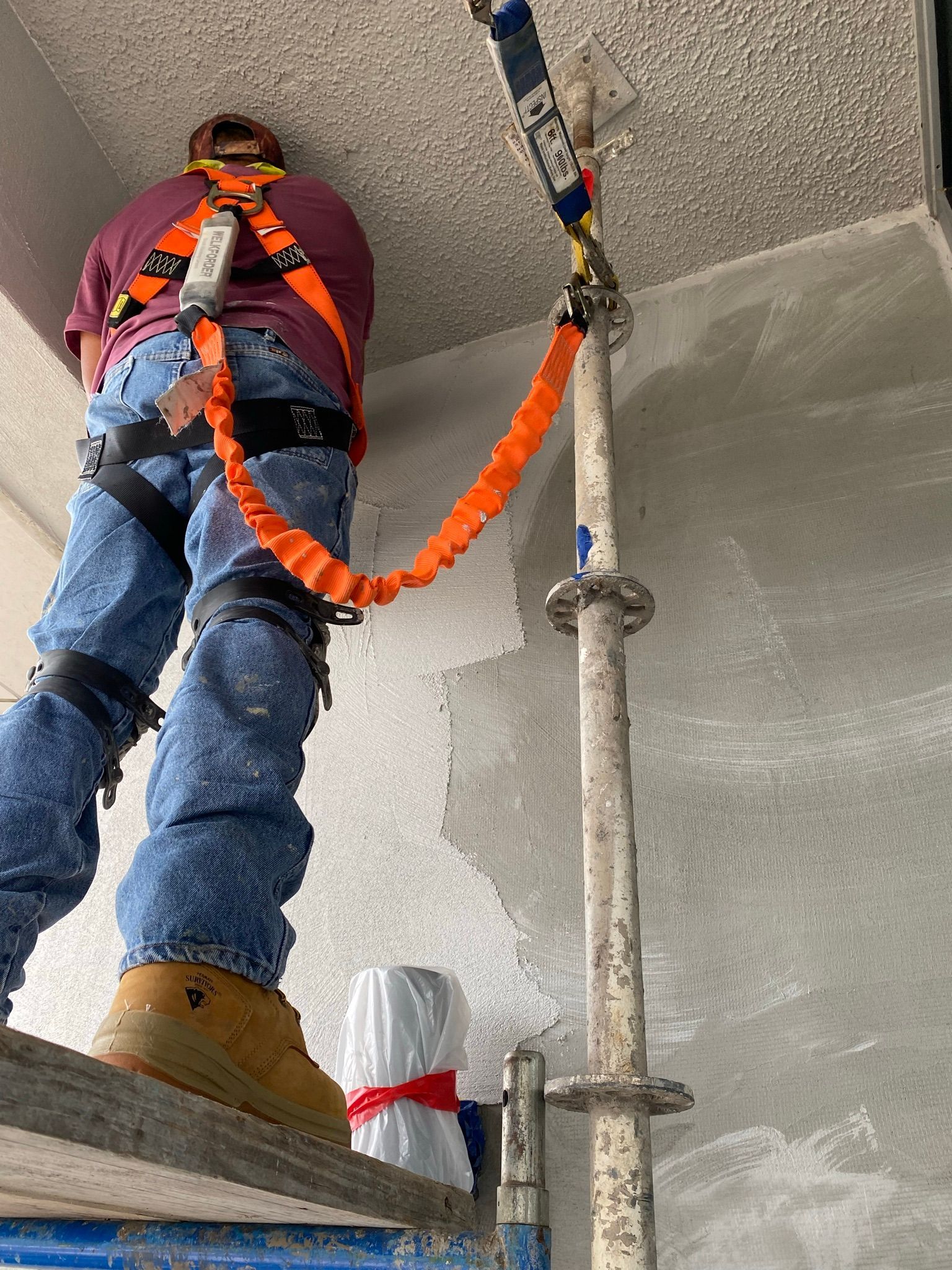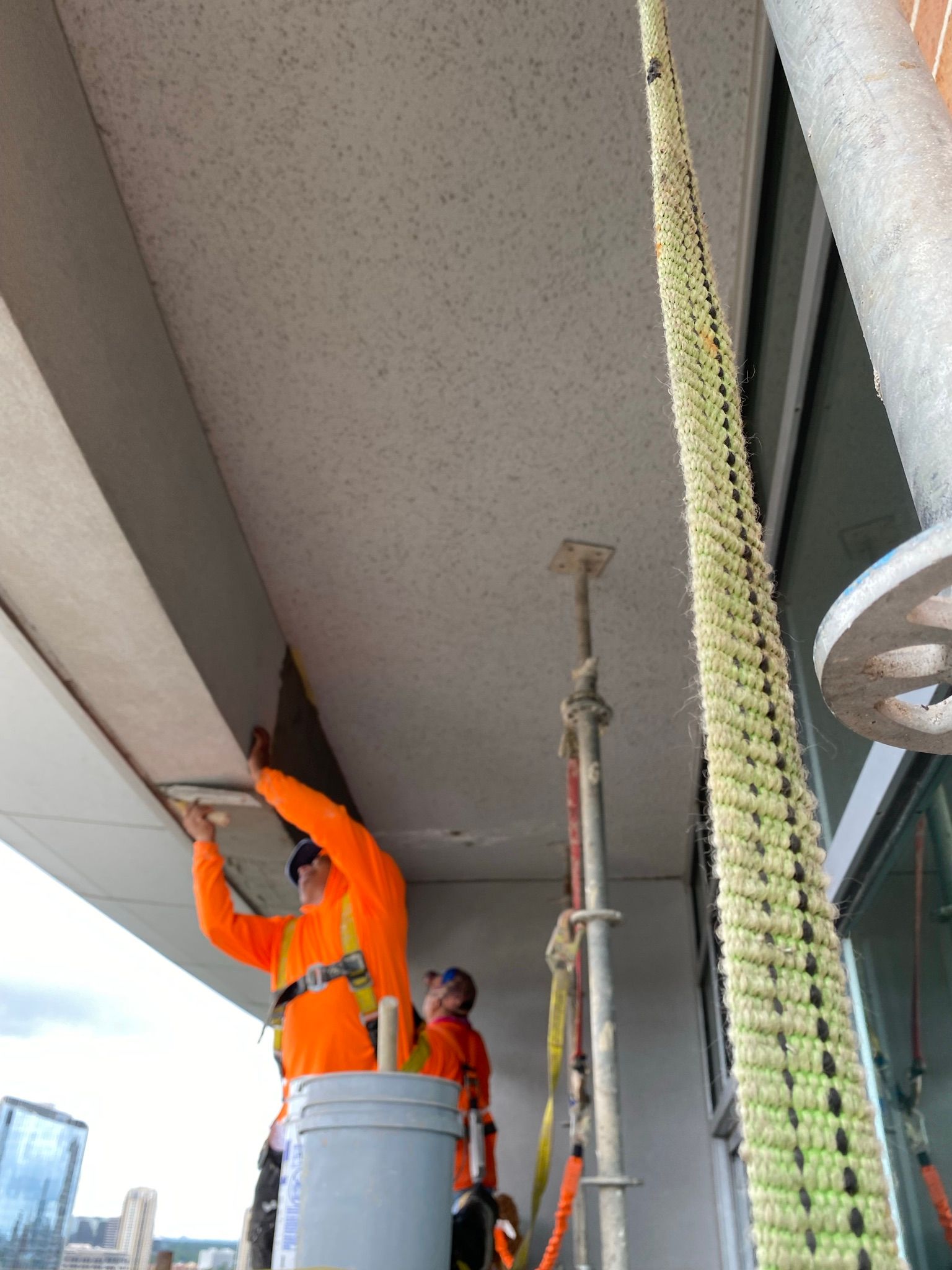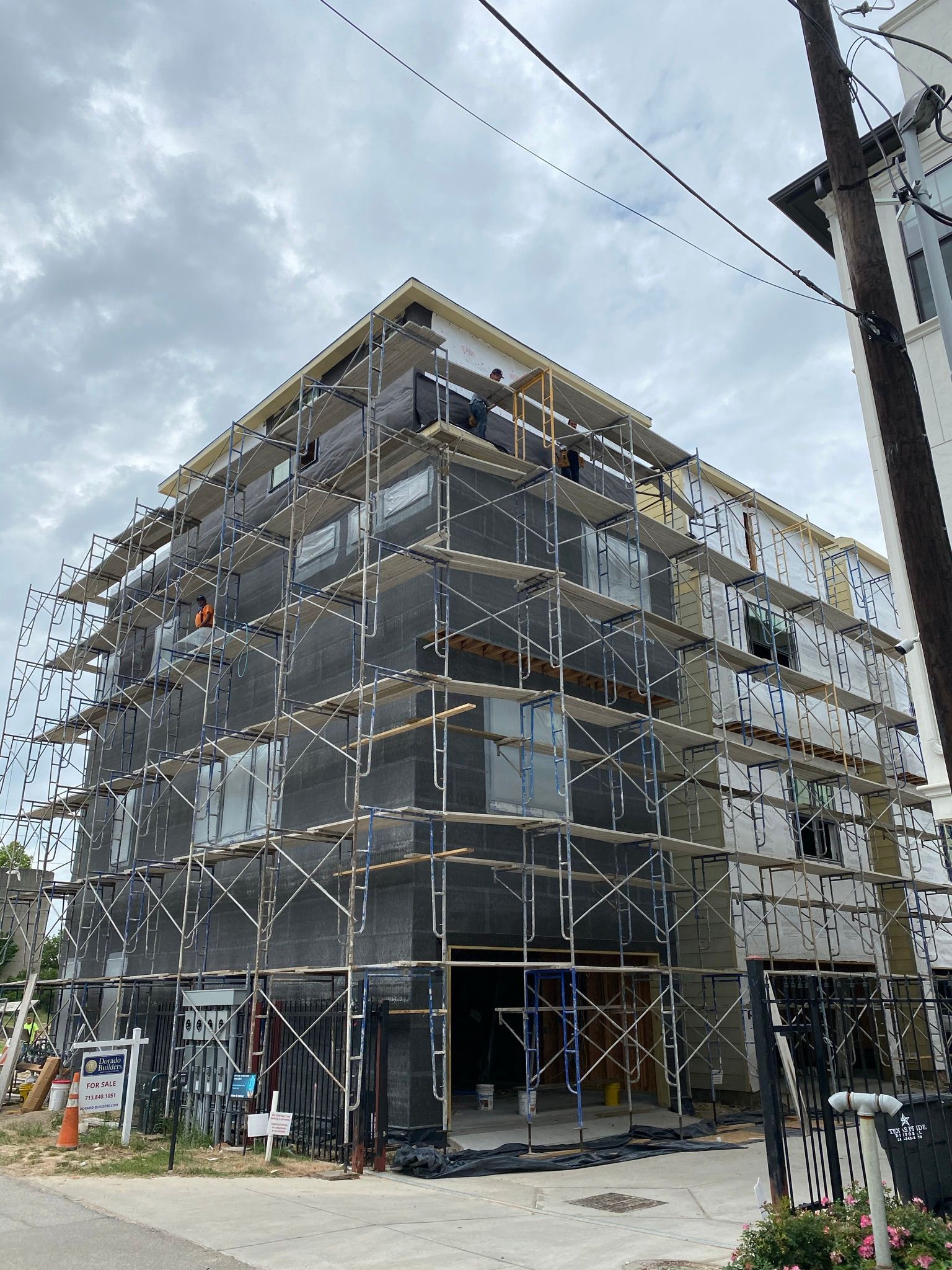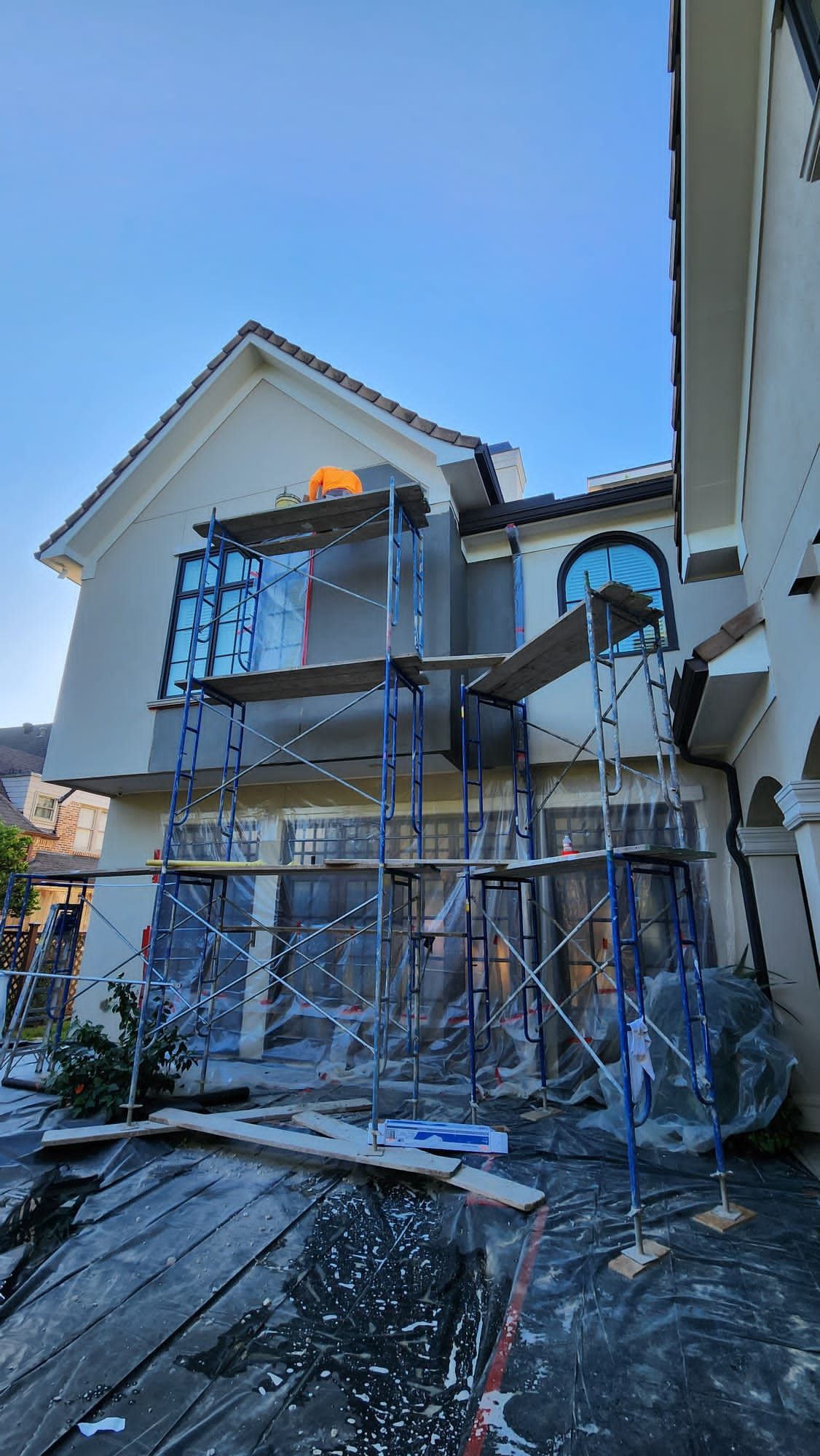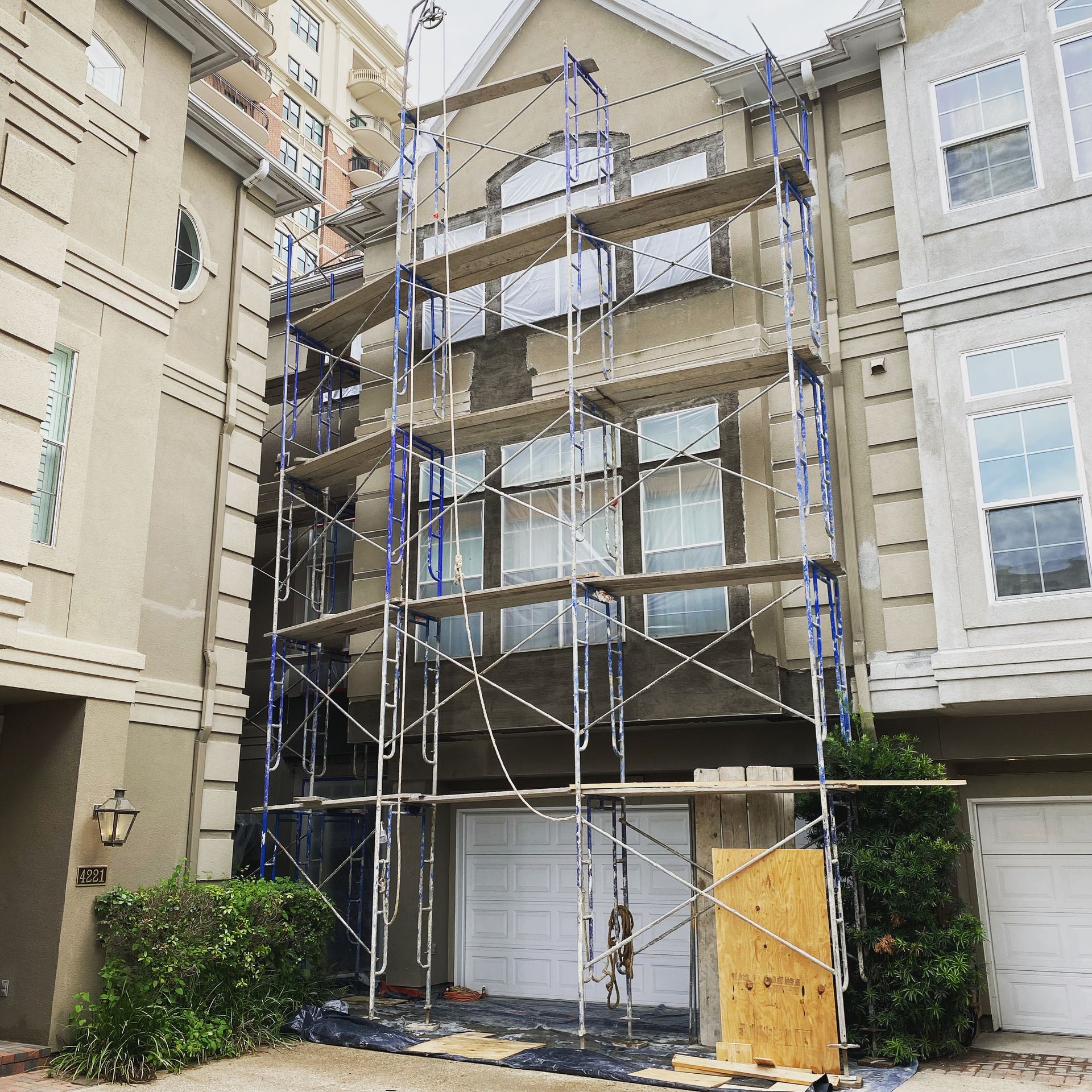
Experience Lasting Beauty with Expert Stucco Repairs Today
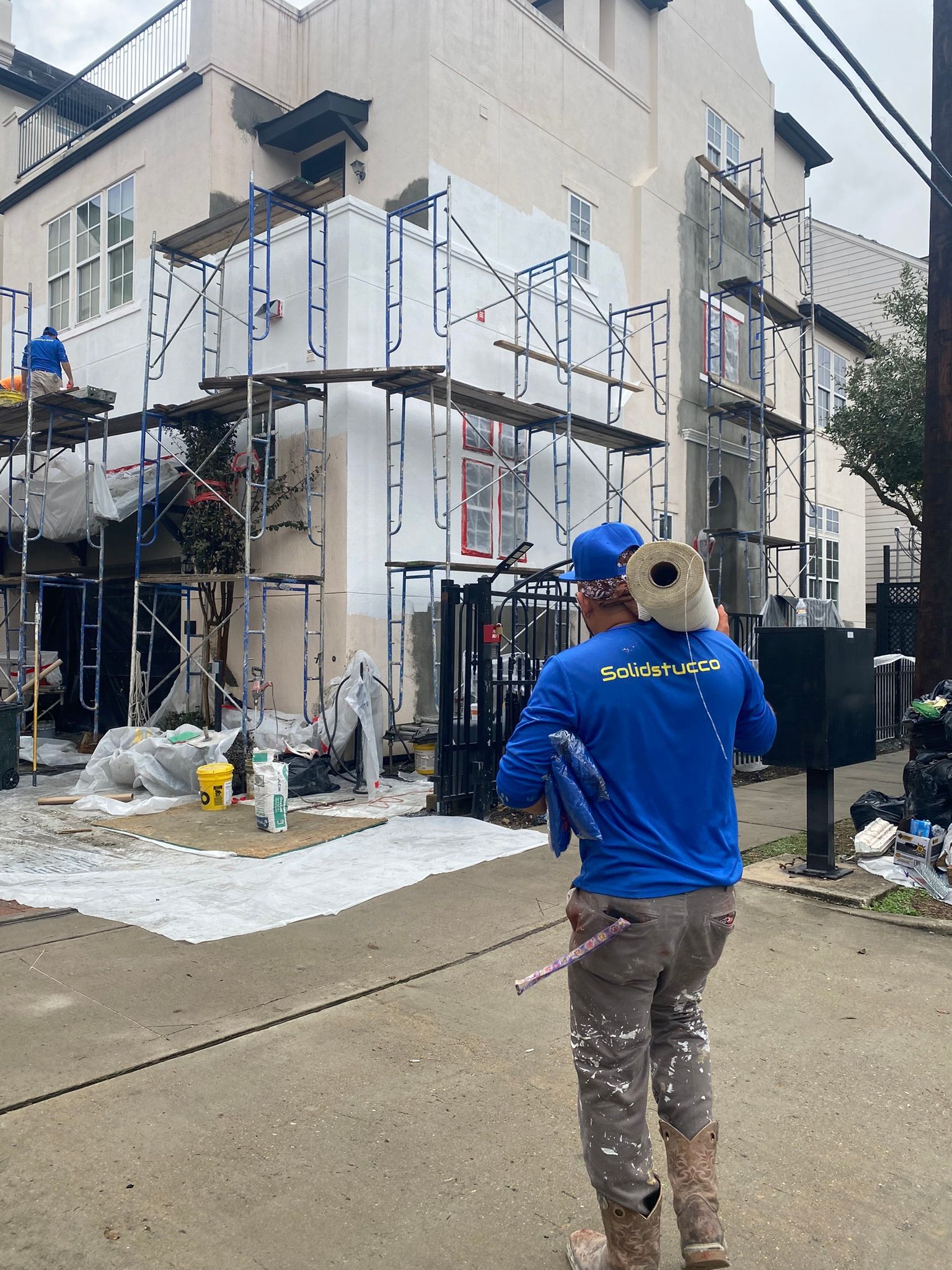
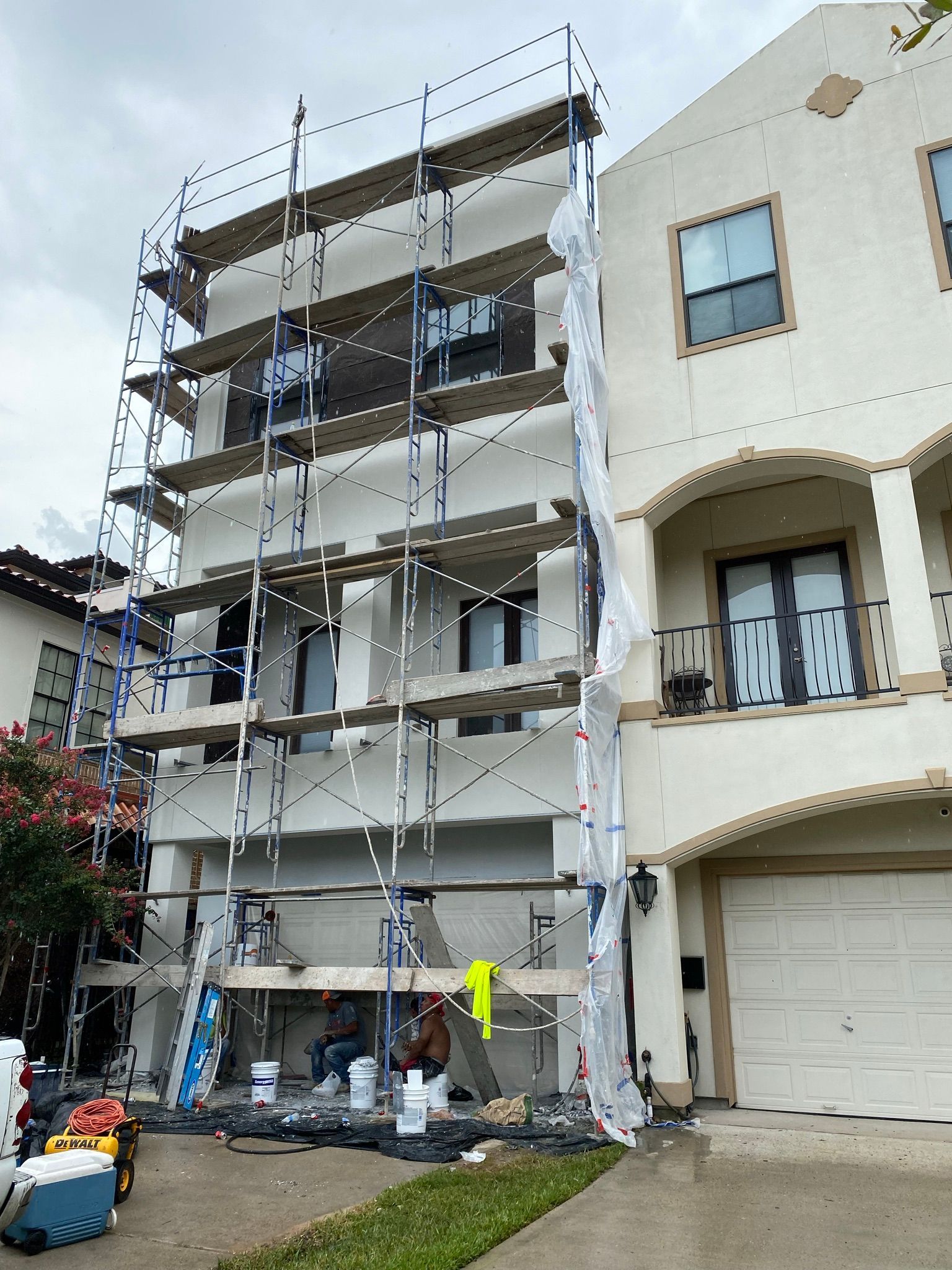
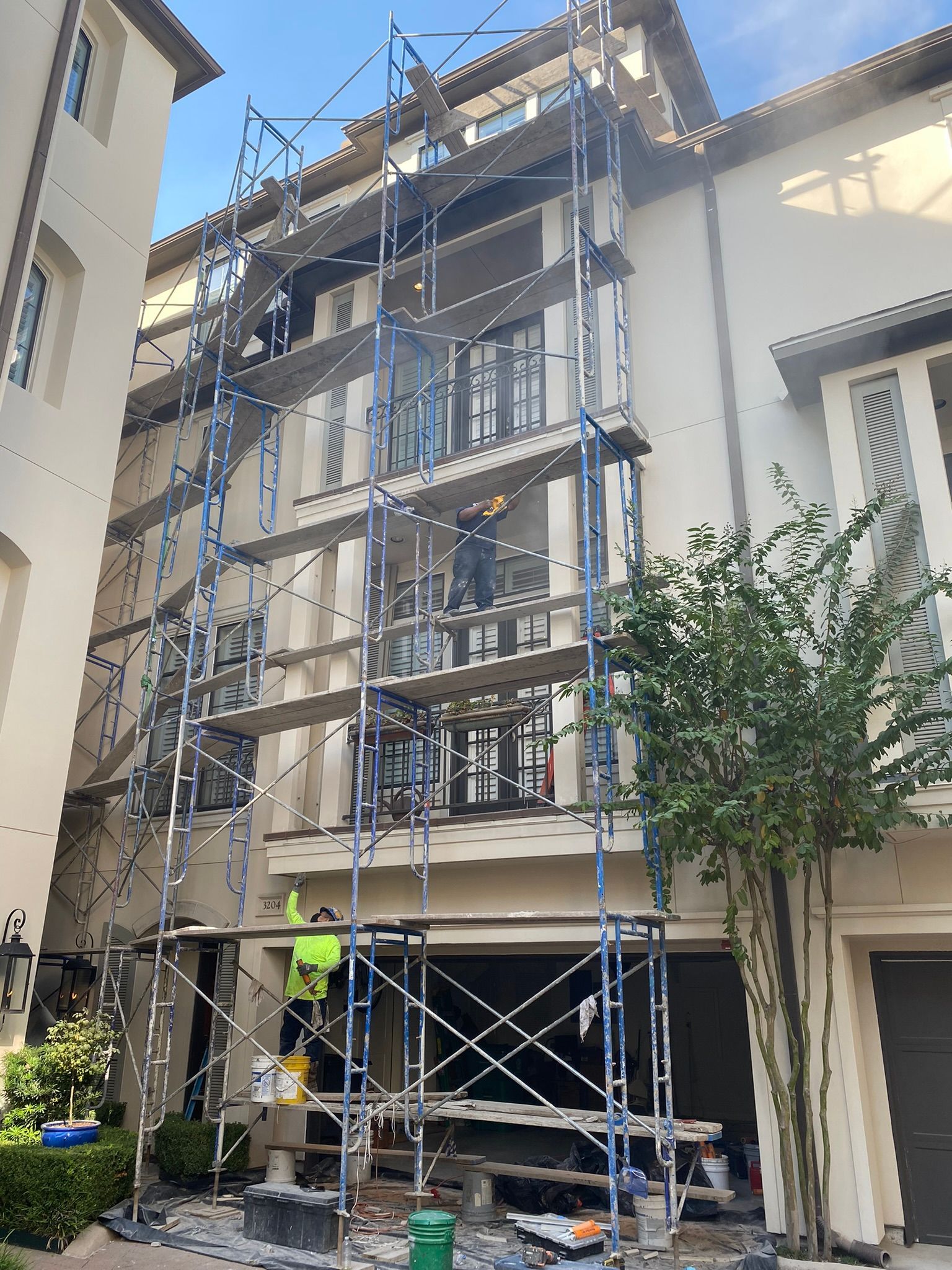
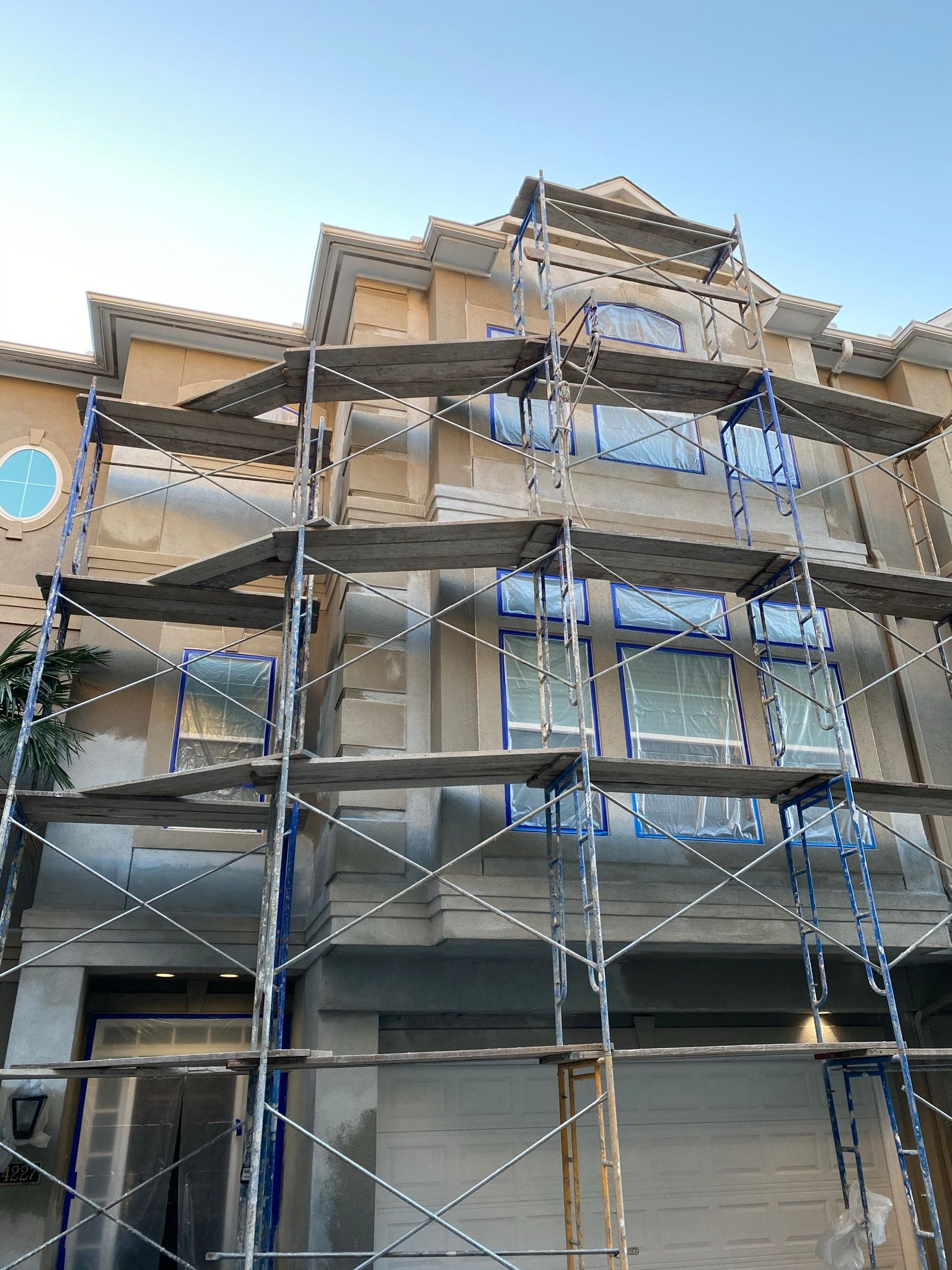
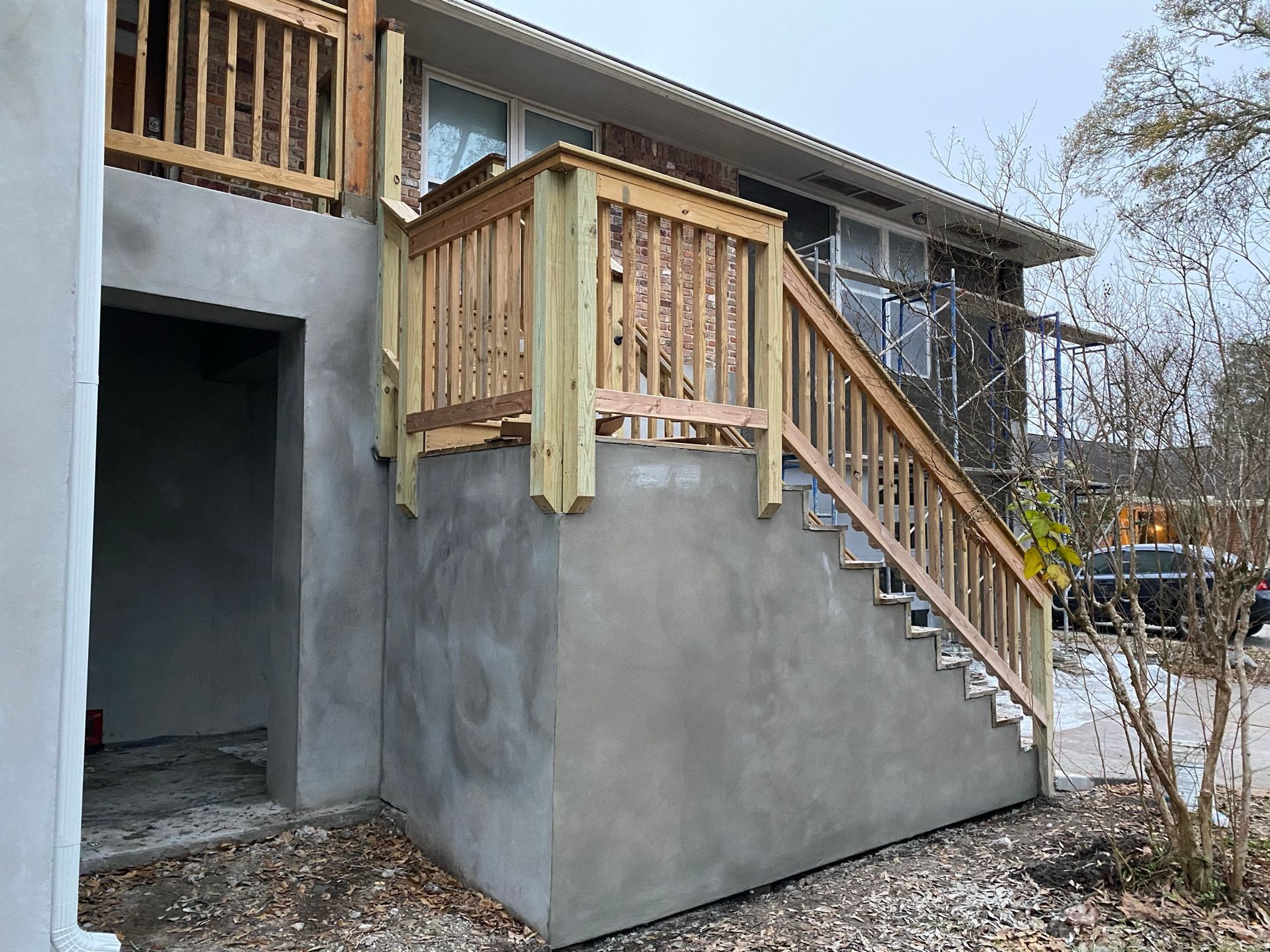
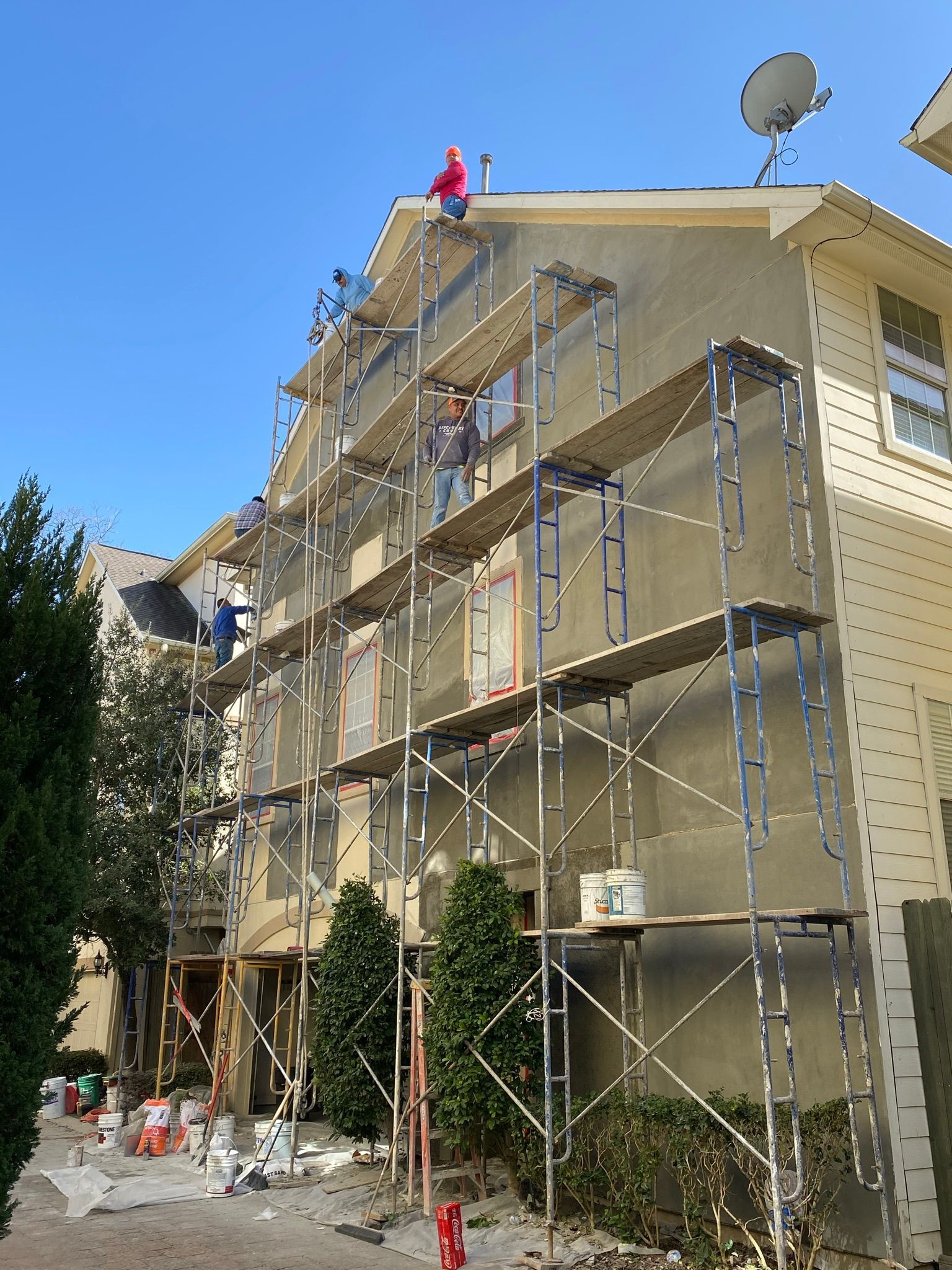
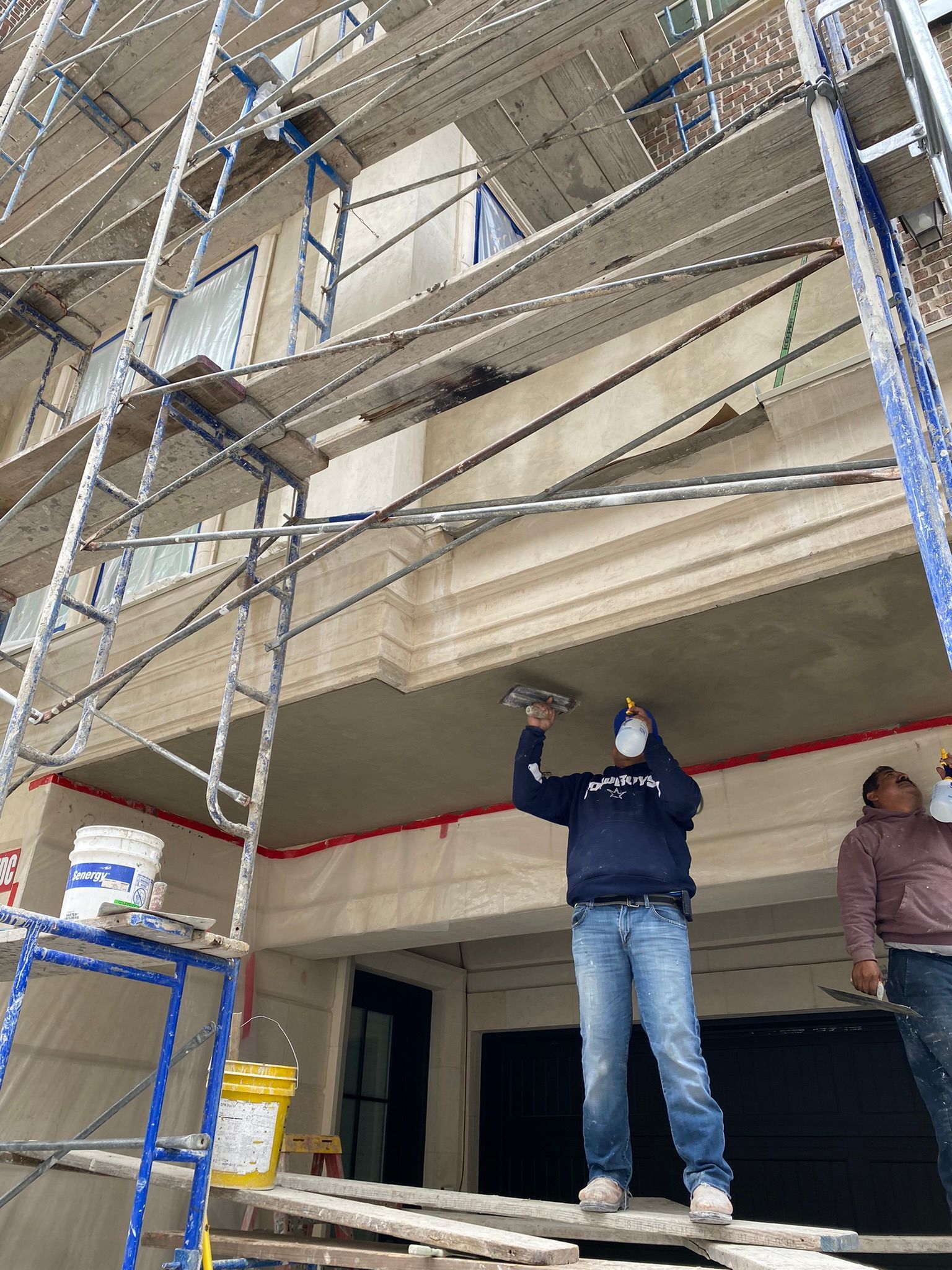
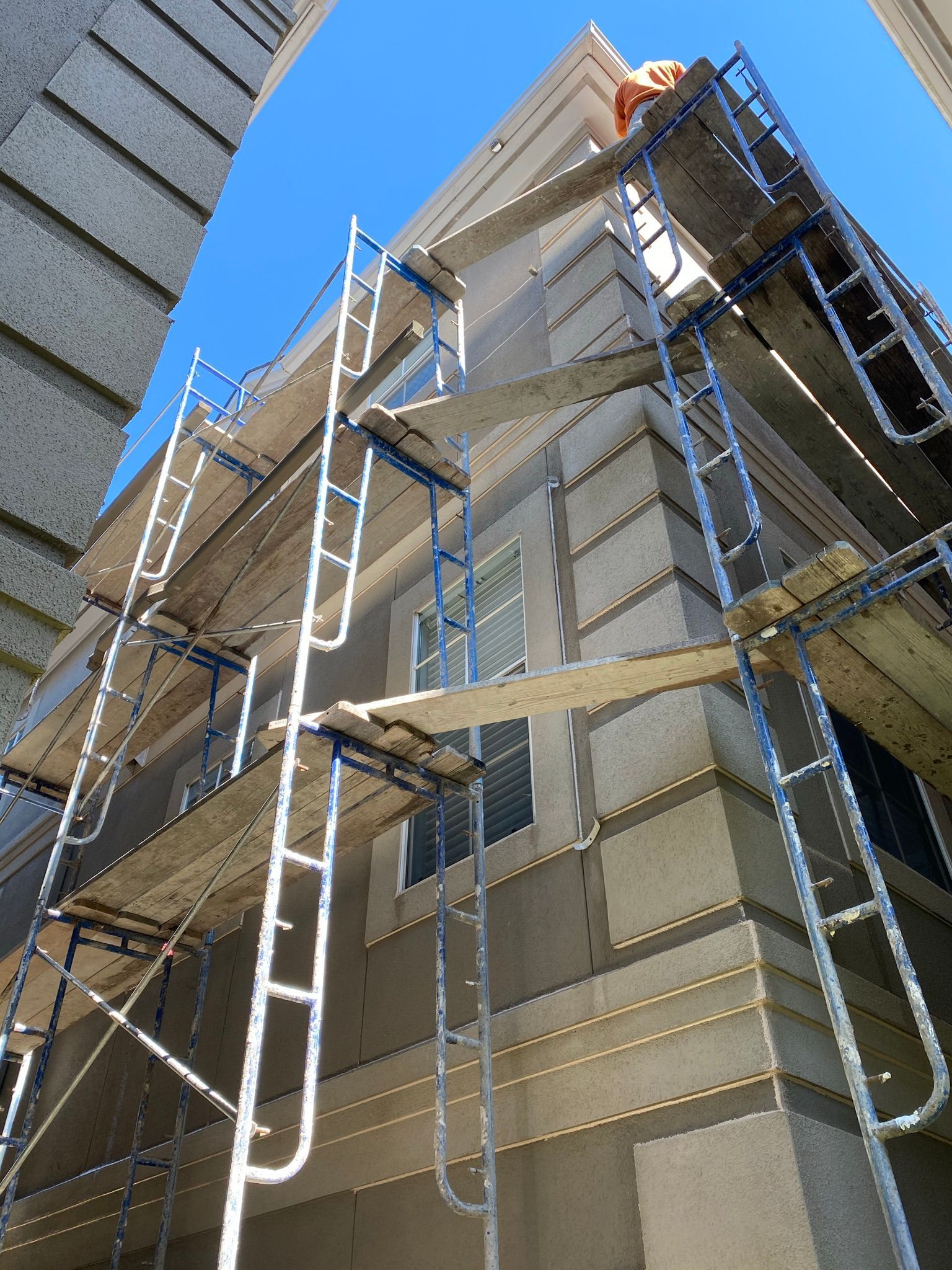
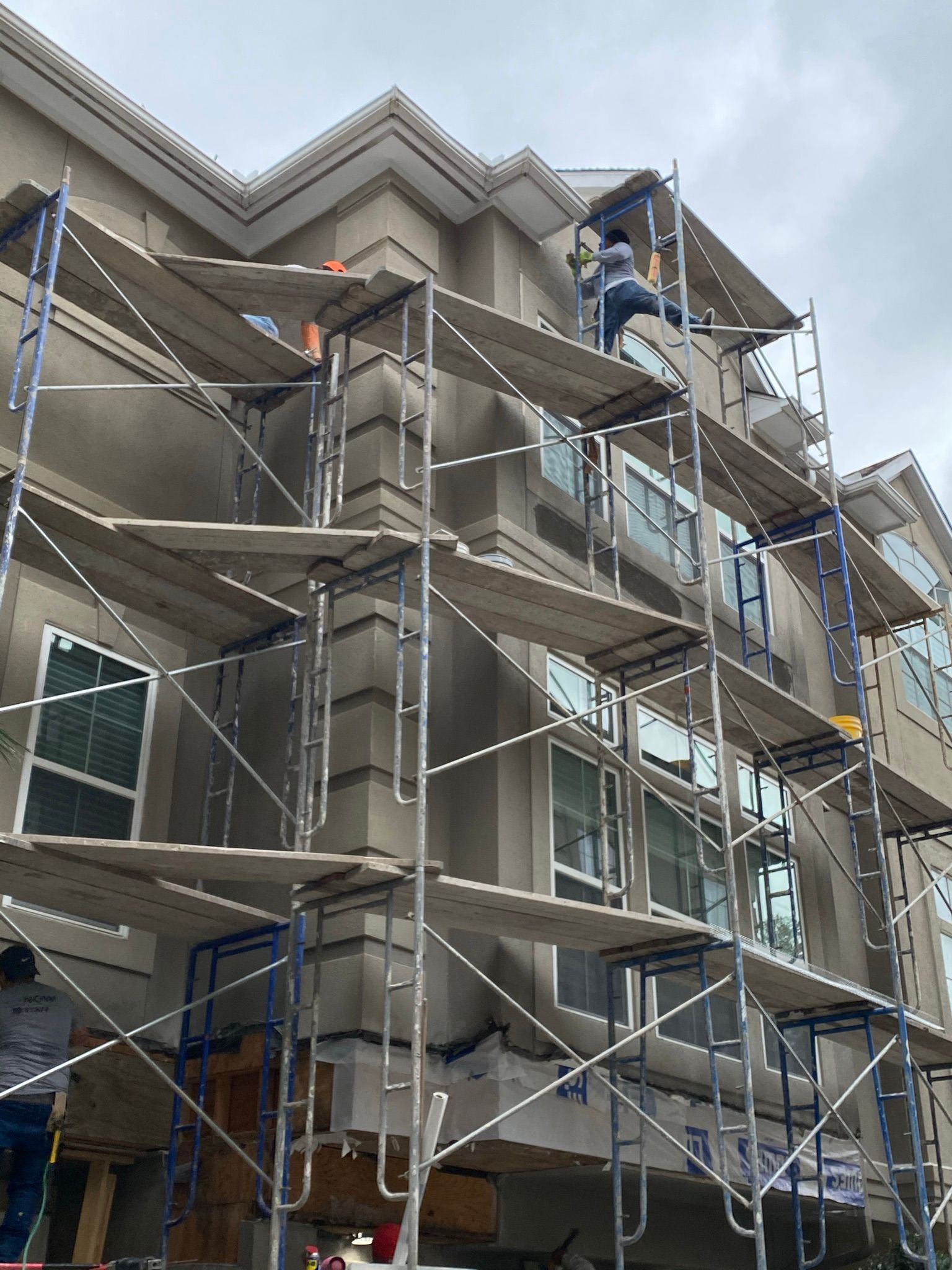
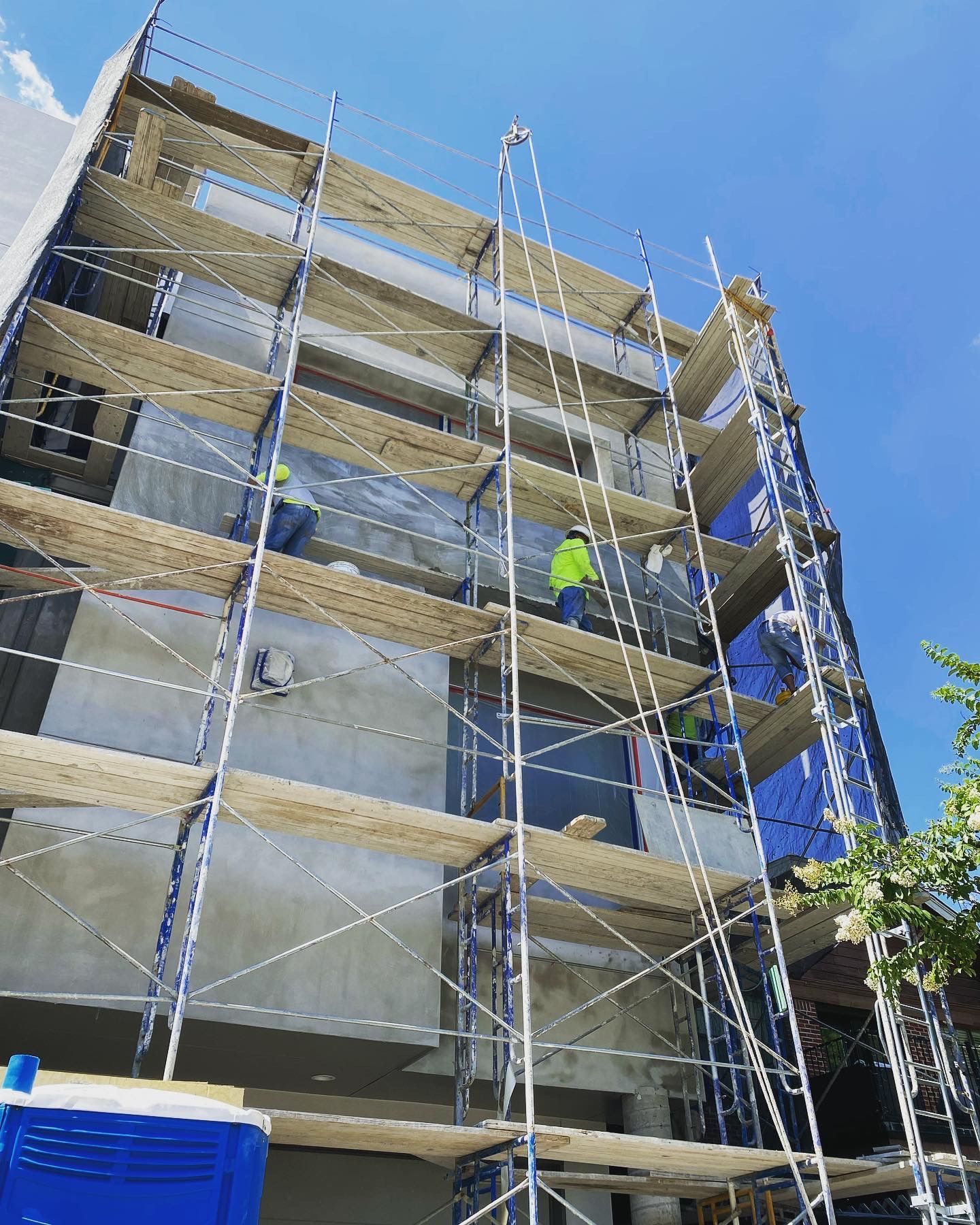
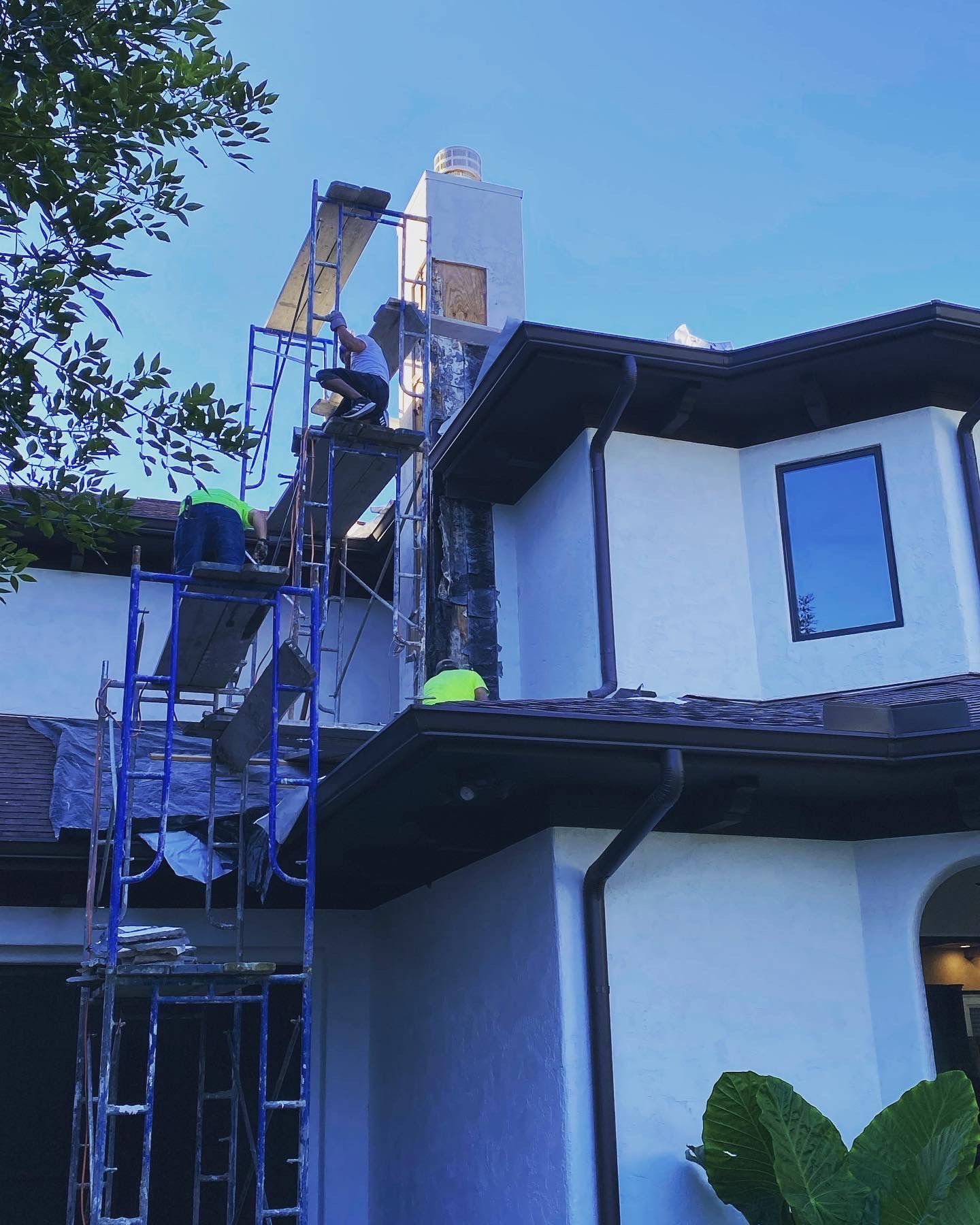
Is your stucco showing signs of wear? Our expert team at Solid Stucco provides top-notch stucco repairs that restore both beauty and durability to your property. We understand that even minor issues can escalate if left unattended, which is why our dedicated professionals focus on quick and effective solutions. With years of experience in handling a wide range of stucco repairs, we take pride in delivering exceptional results tailored to your specific needs. Don't let those cracks or discolorations diminish the appearance of your home—contact us today for a consultation and see the difference!
Primary Factors
Water Intrusion in Houston’s Climate
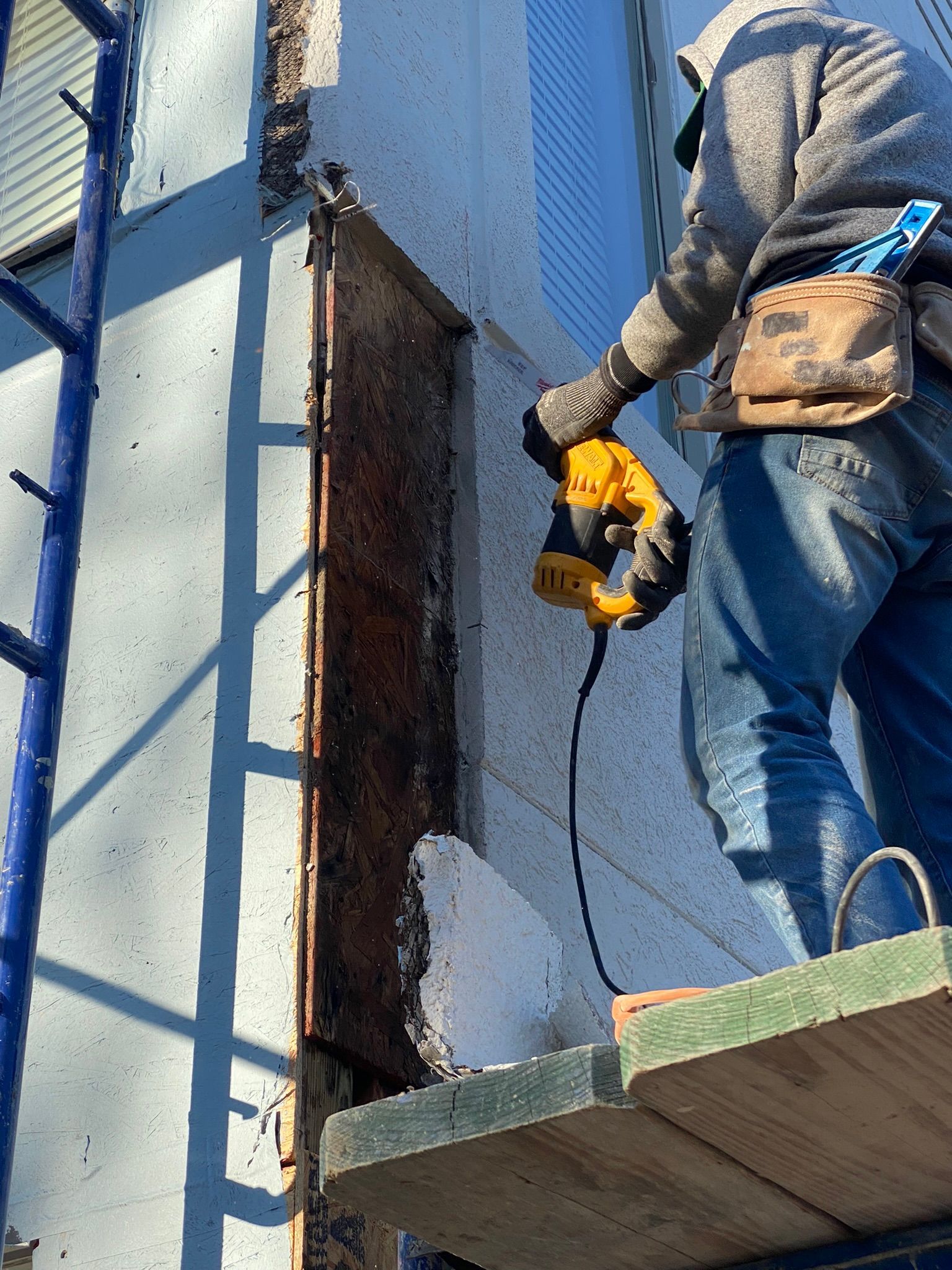
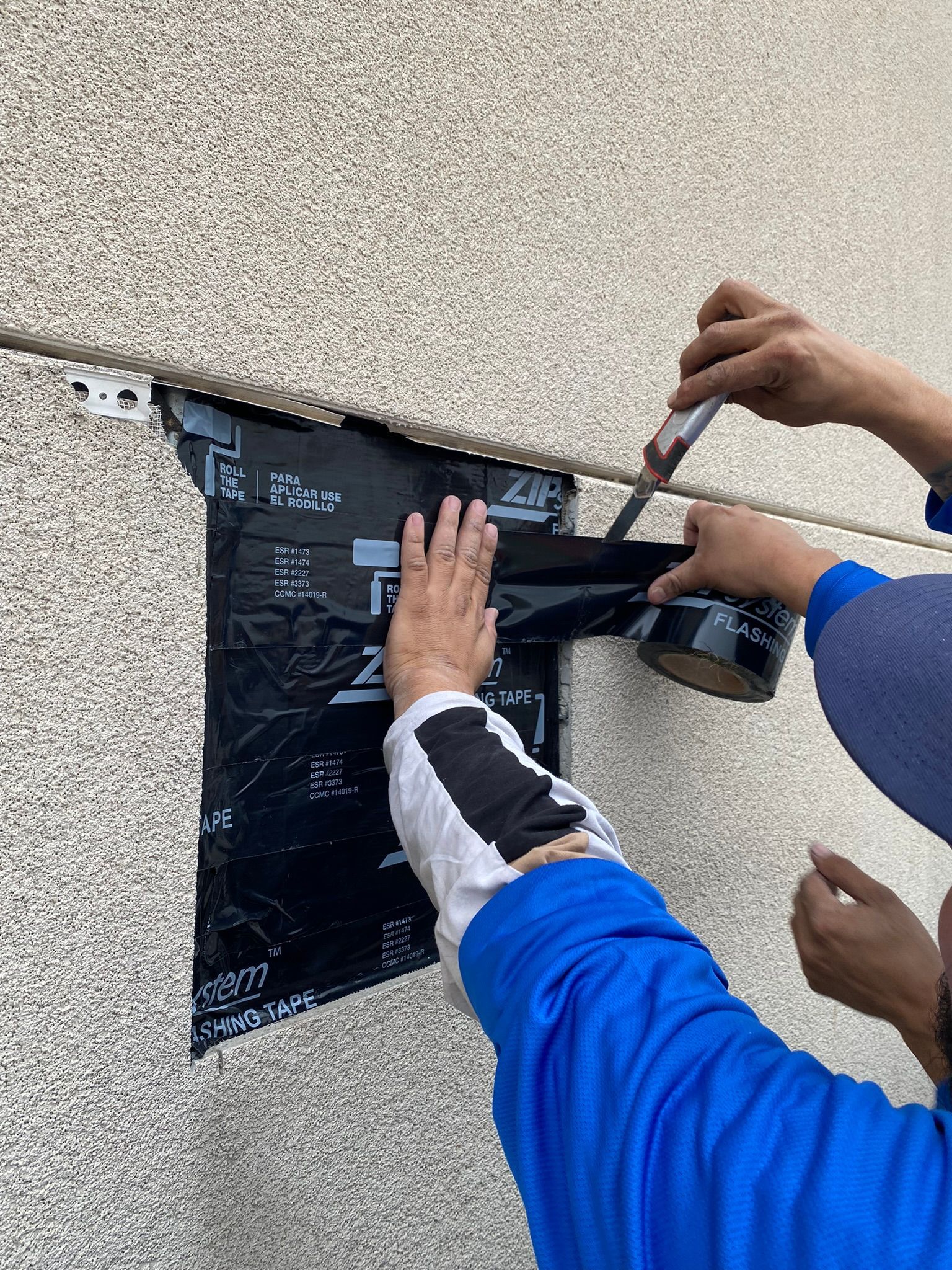
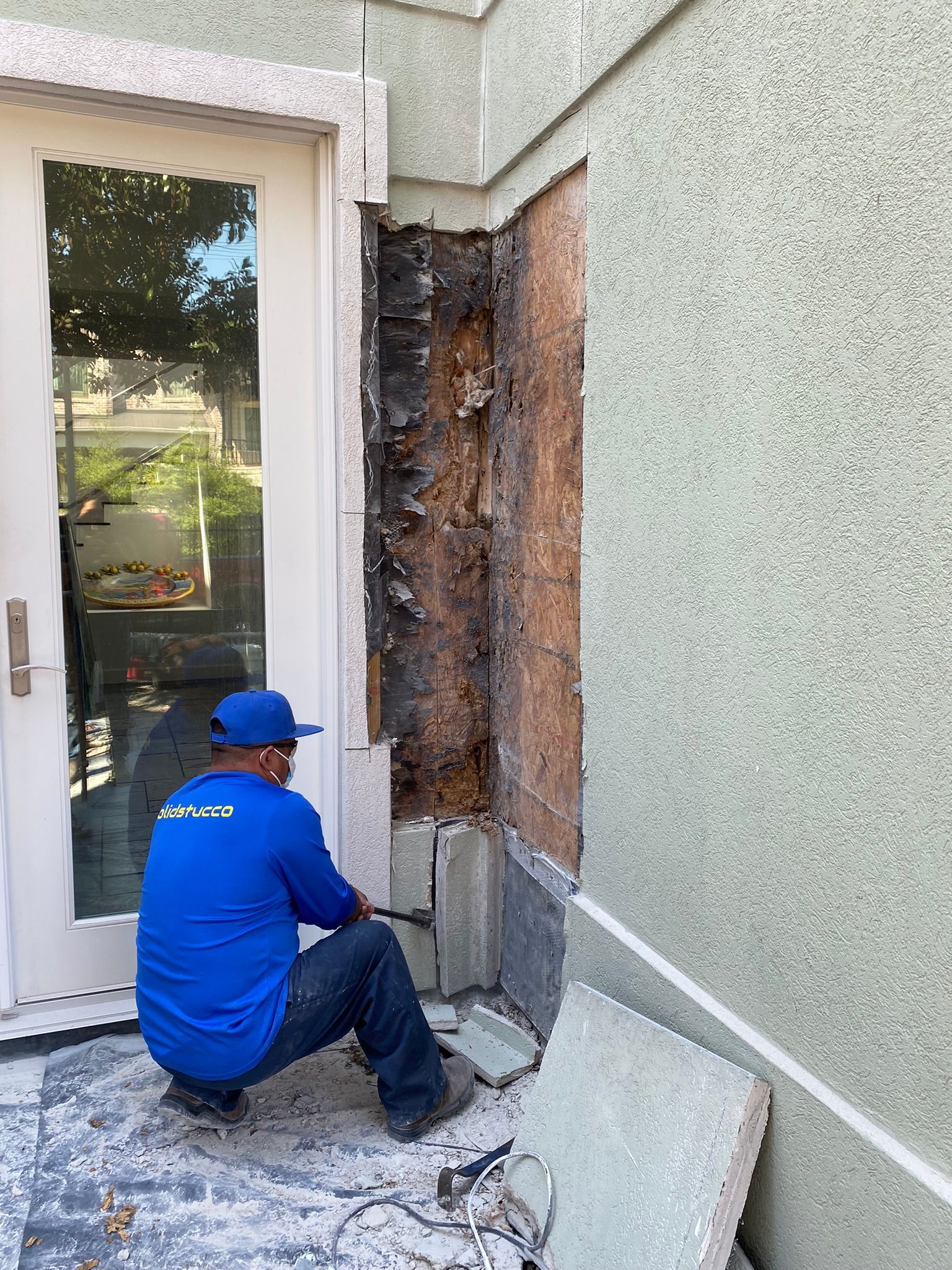
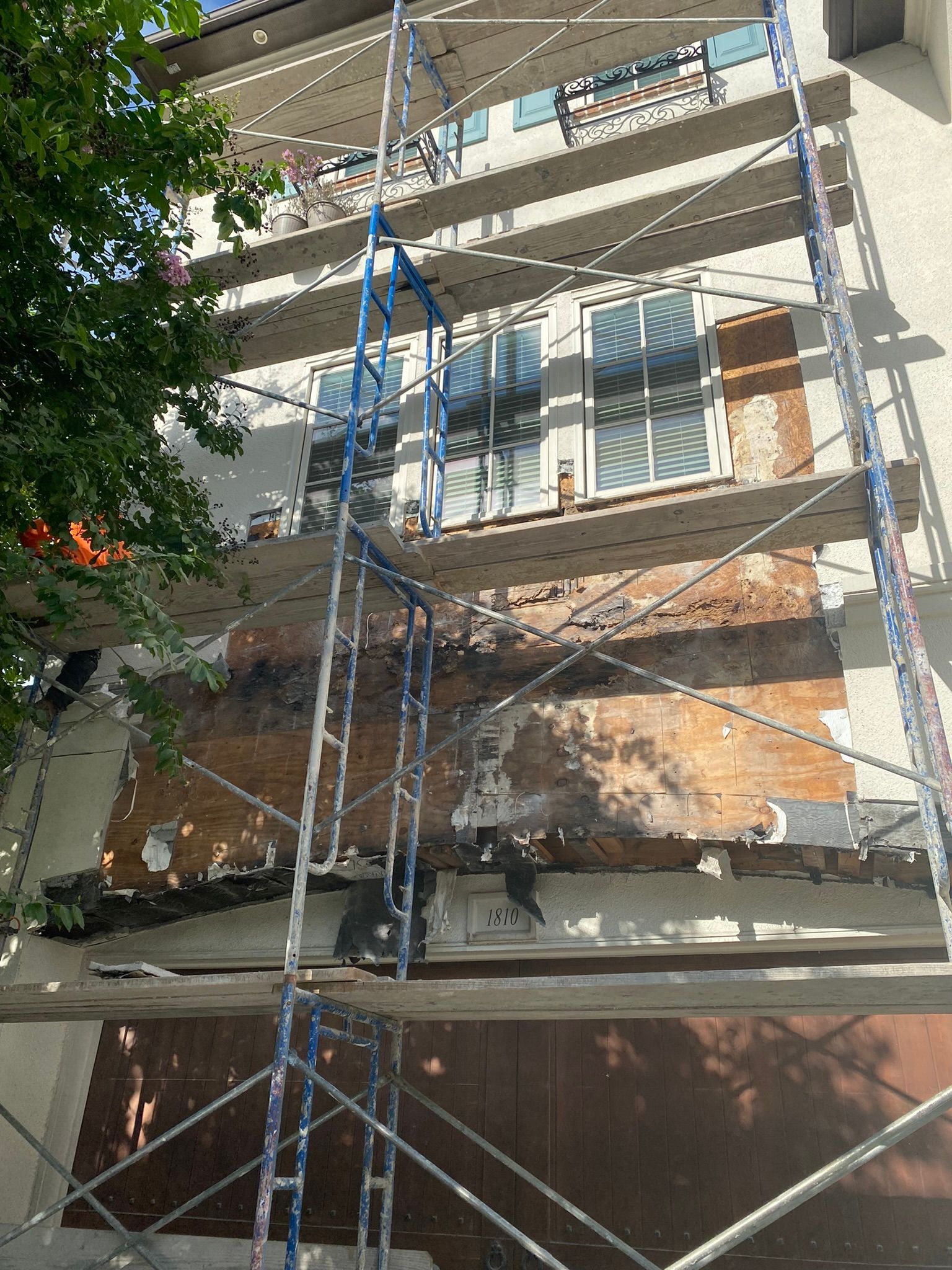
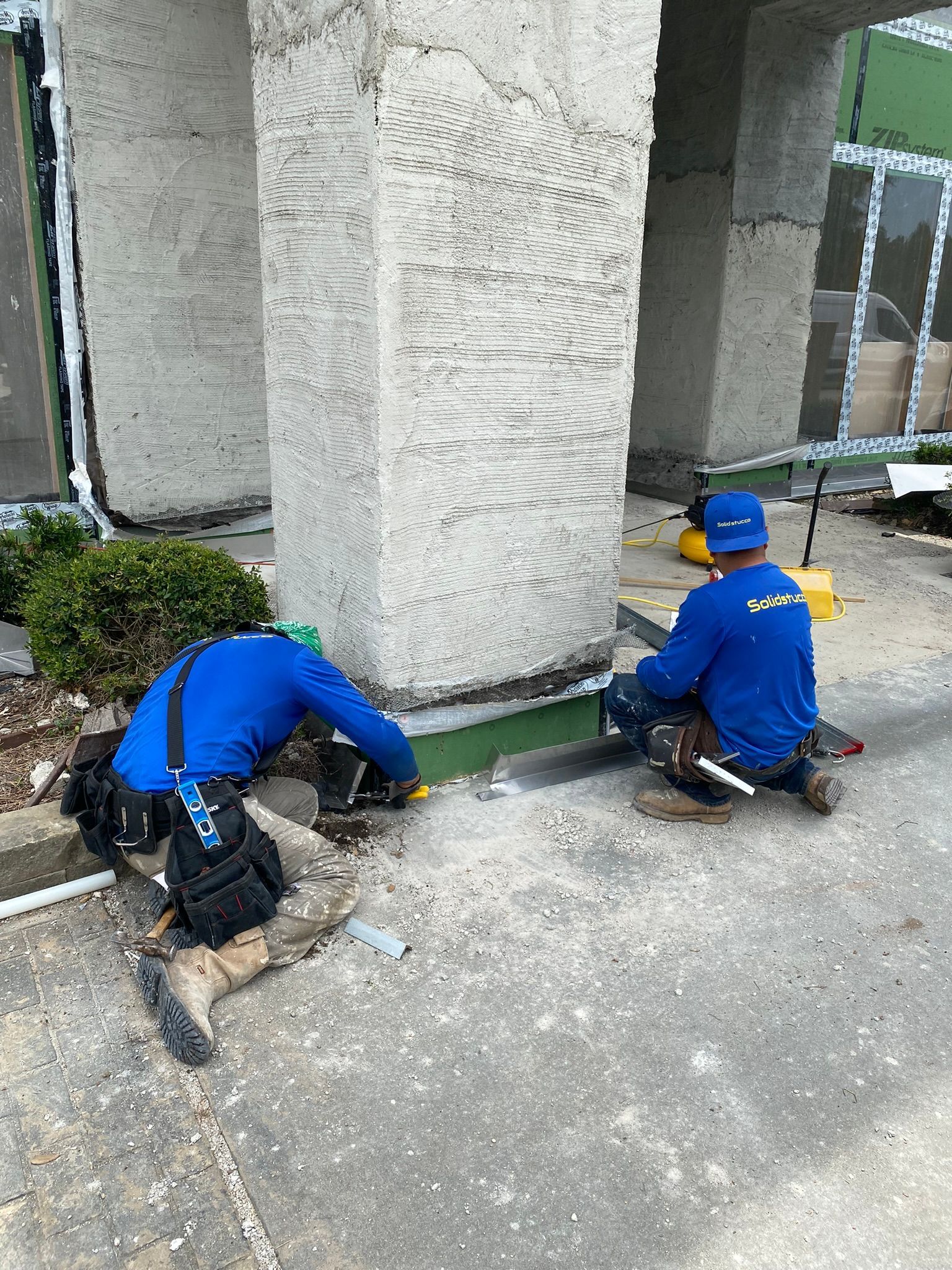
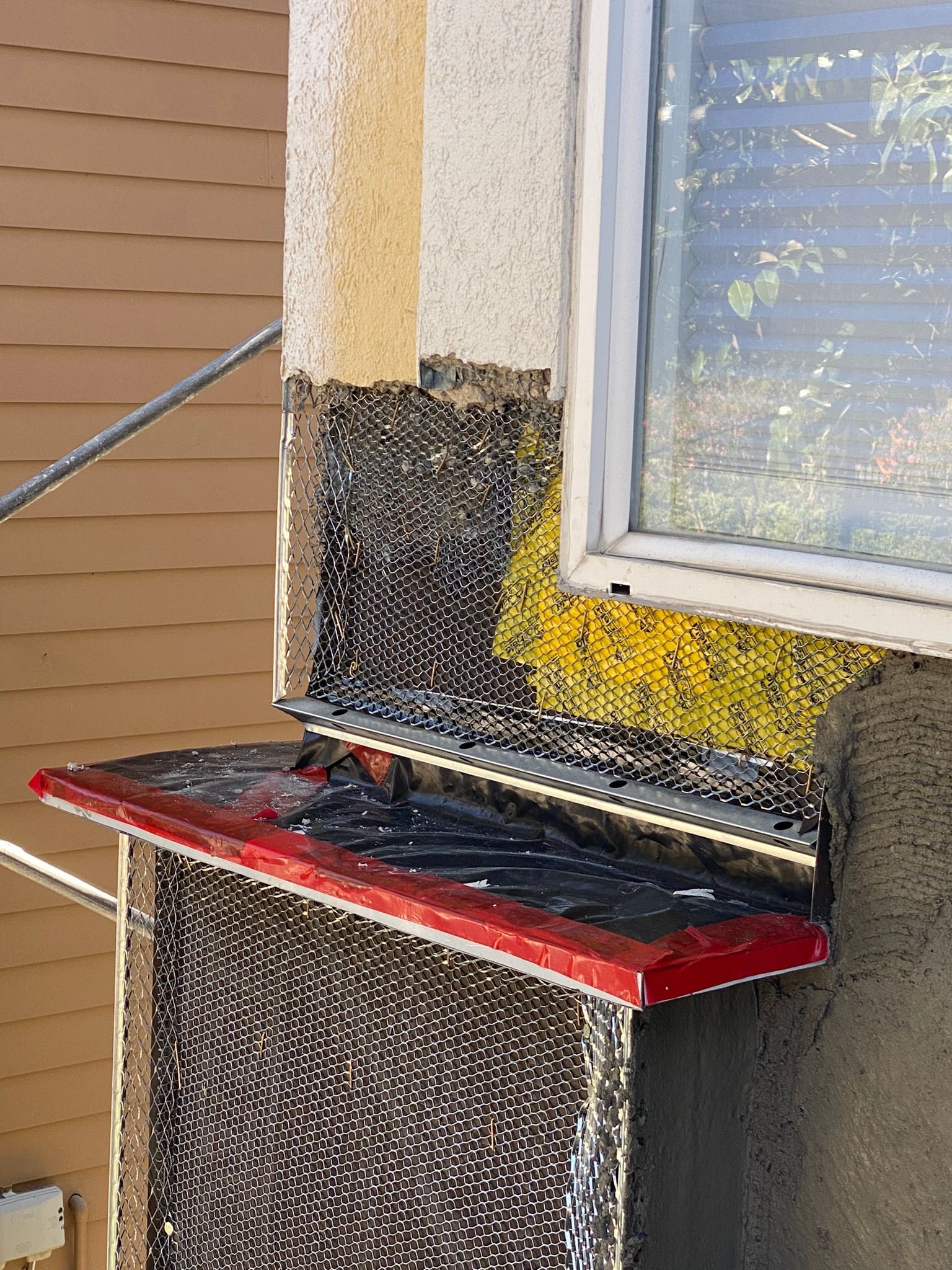
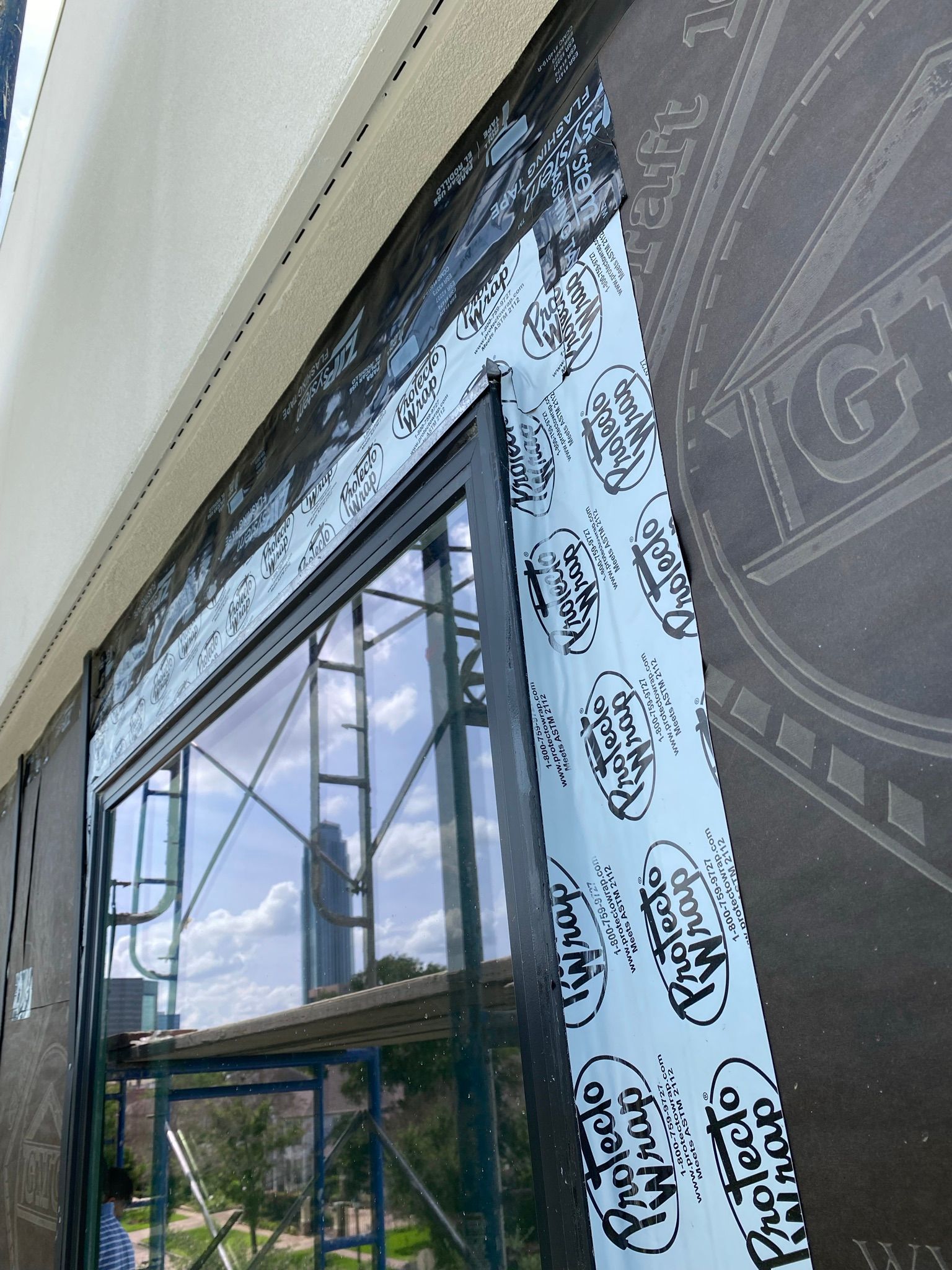
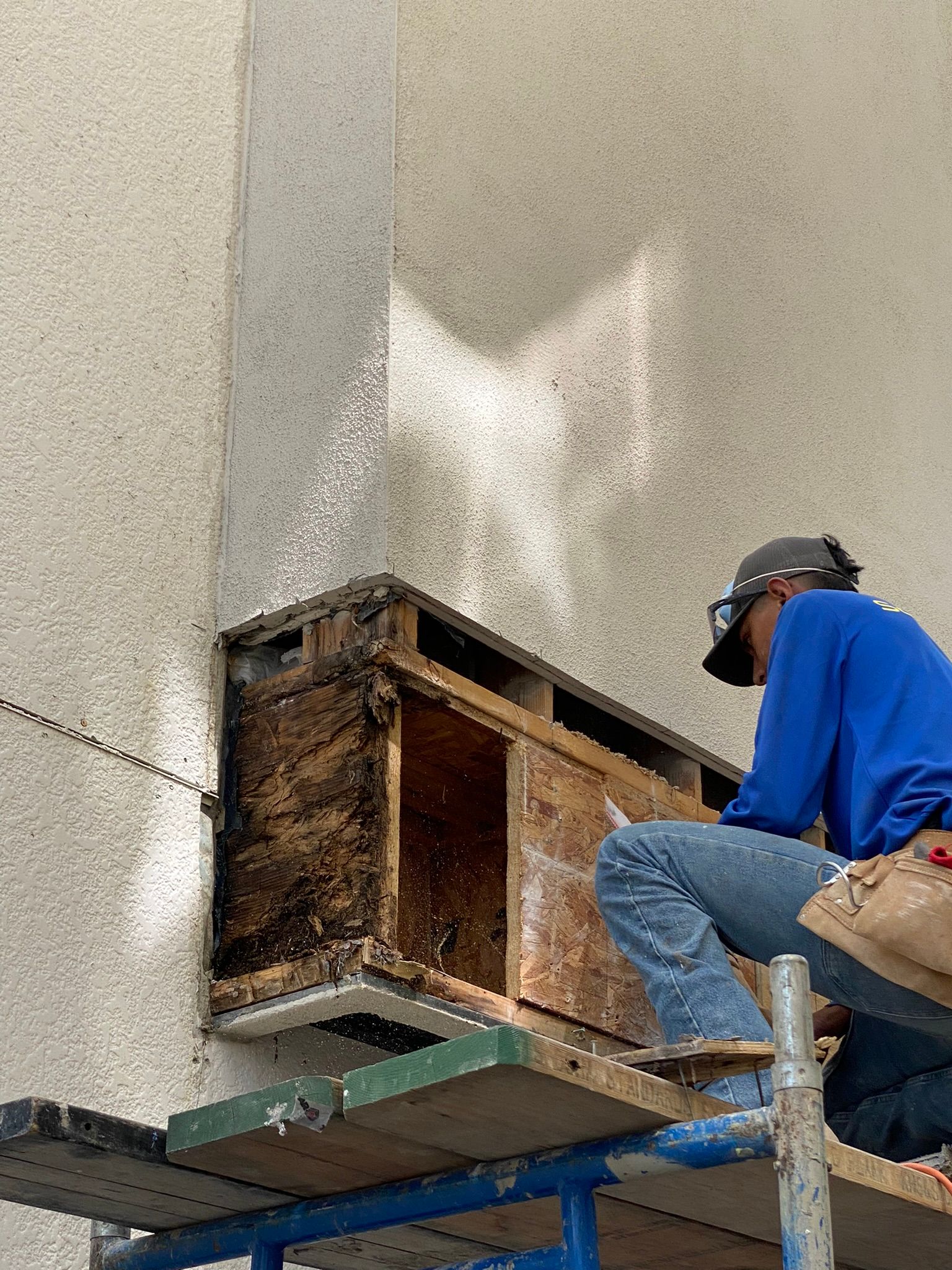
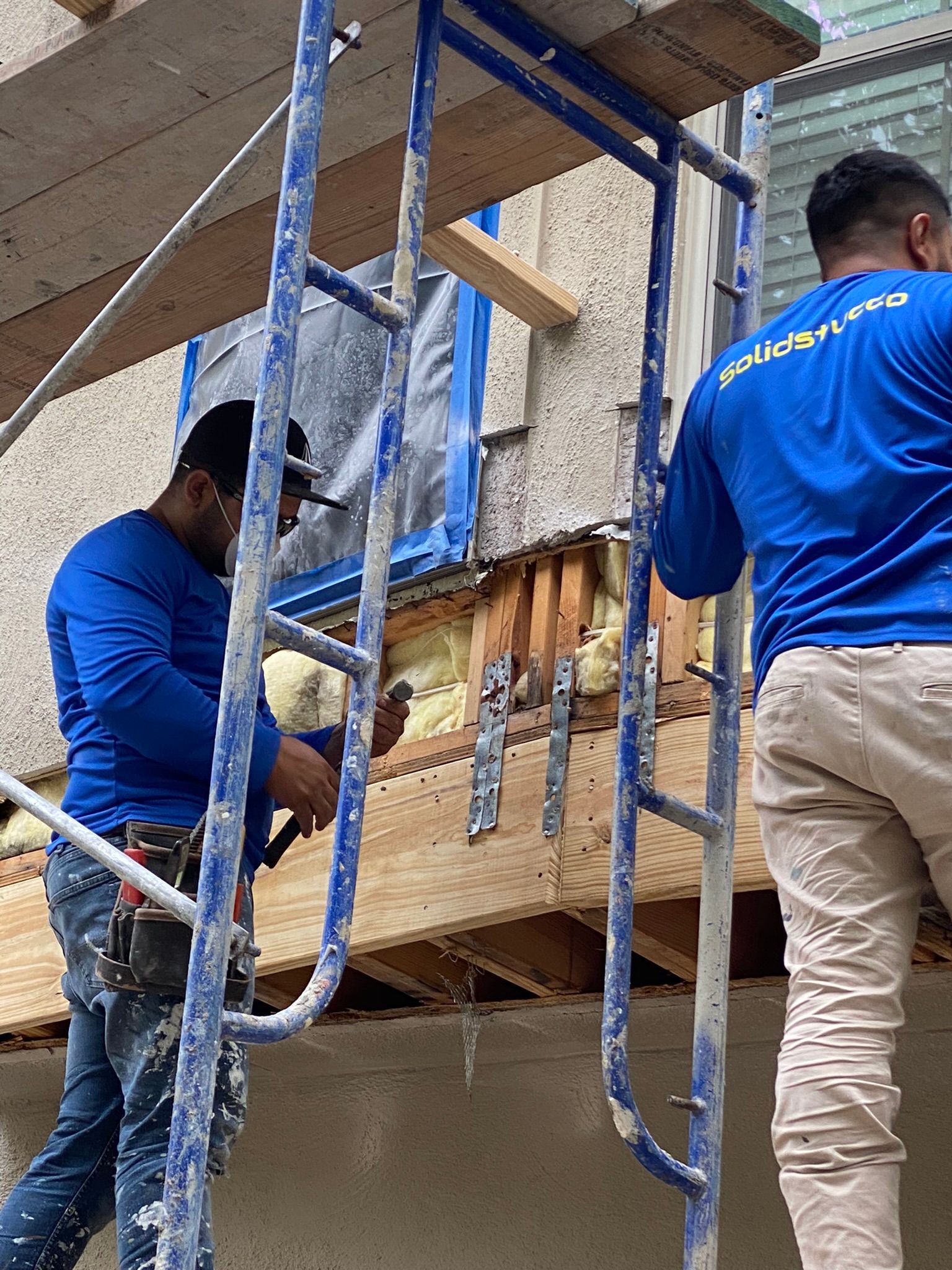
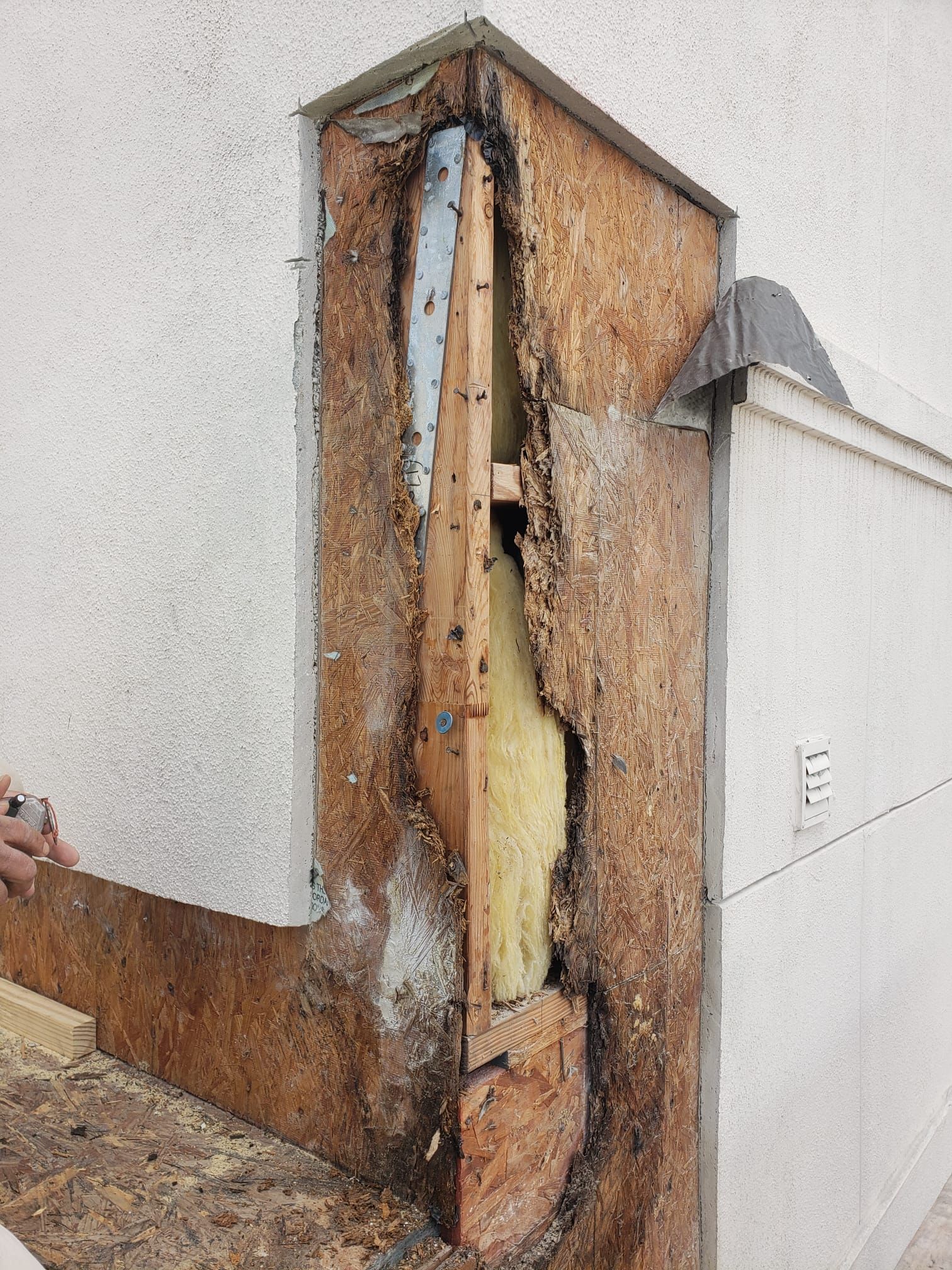
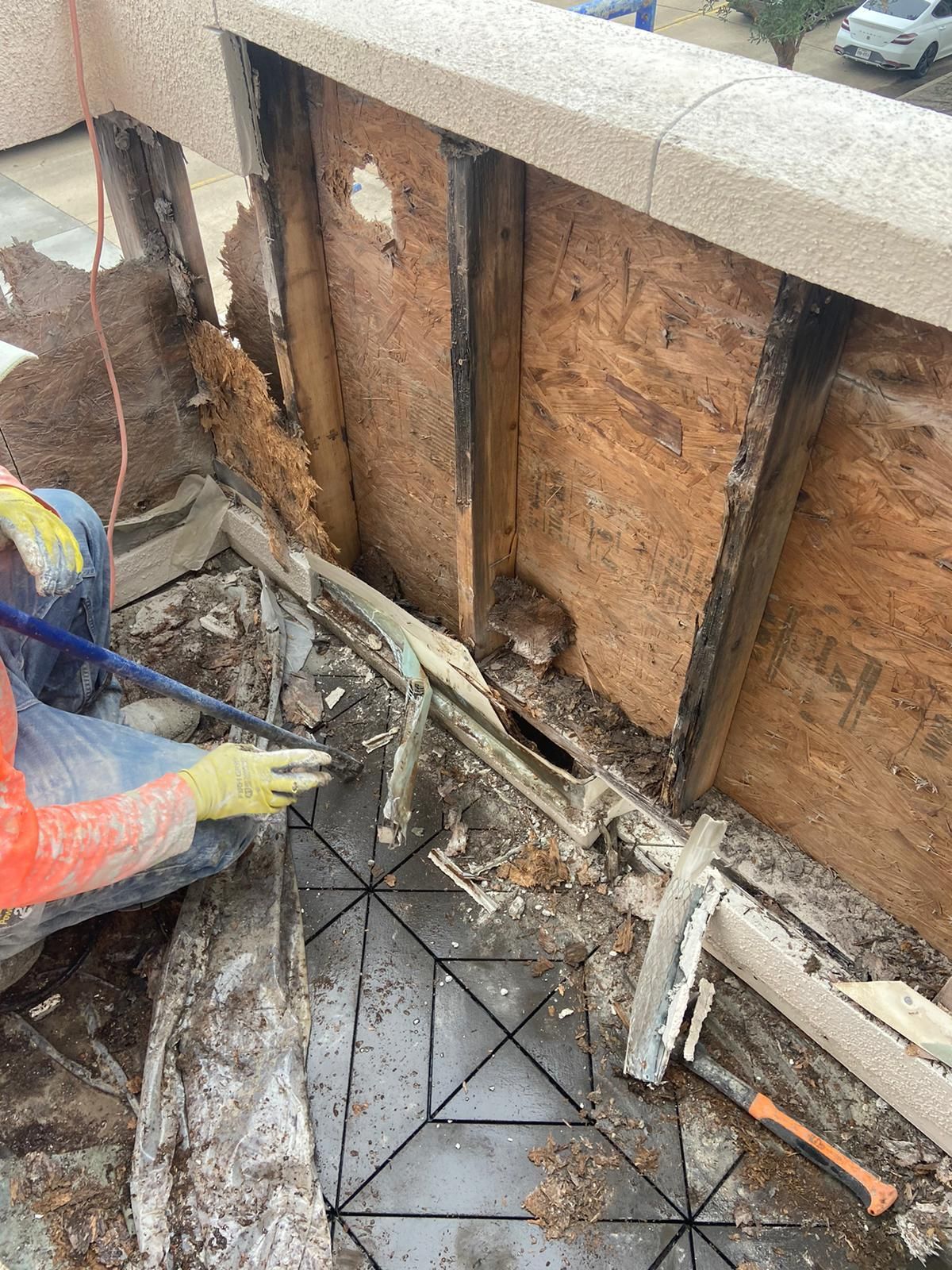
In Houston, Texas, stucco repairs are most commonly driven by water intrusion due to frequent rainfall and high humidity, which allow moisture to enter behind the stucco system and remain trapped for extended periods. Missing or improperly installed weep screeds, failed window and door flashing, roof-to-wall intersections without kick-out flashing, and stucco installed too close to grade are common local conditions that lead to concealed wood rot, mold growth, and corrosion of metal lath.
High Humidity and Limited Dry-Out
Houston’s high humidity significantly reduces a wall’s ability to dry out, especially when single-layer weather-resistive barriers, improperly layered WRB systems, or moisture-trapping acrylic coatings are used, often causing bubbling, delamination, and hidden deterioration even in relatively new installations.
Improper Original Installation
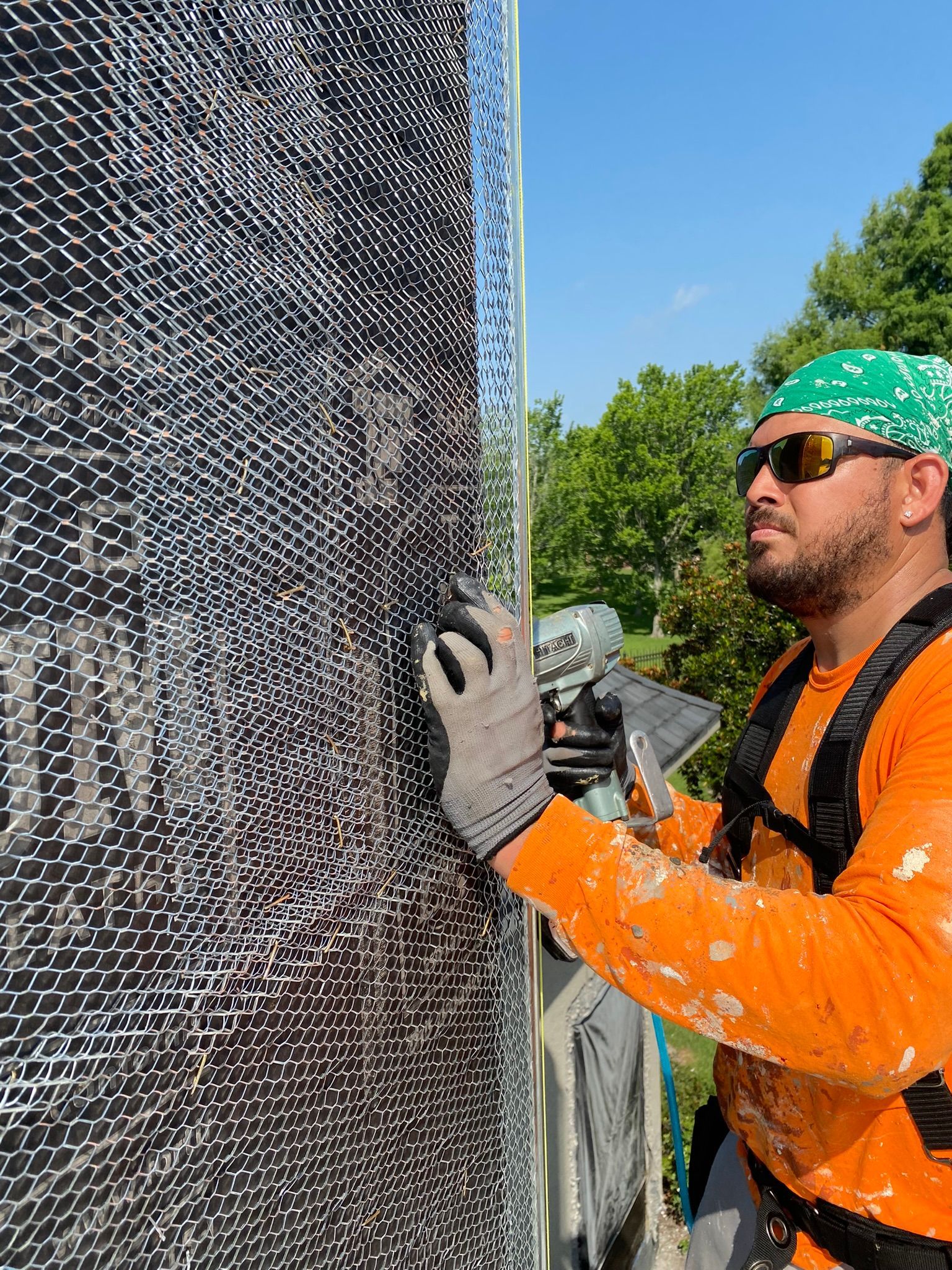
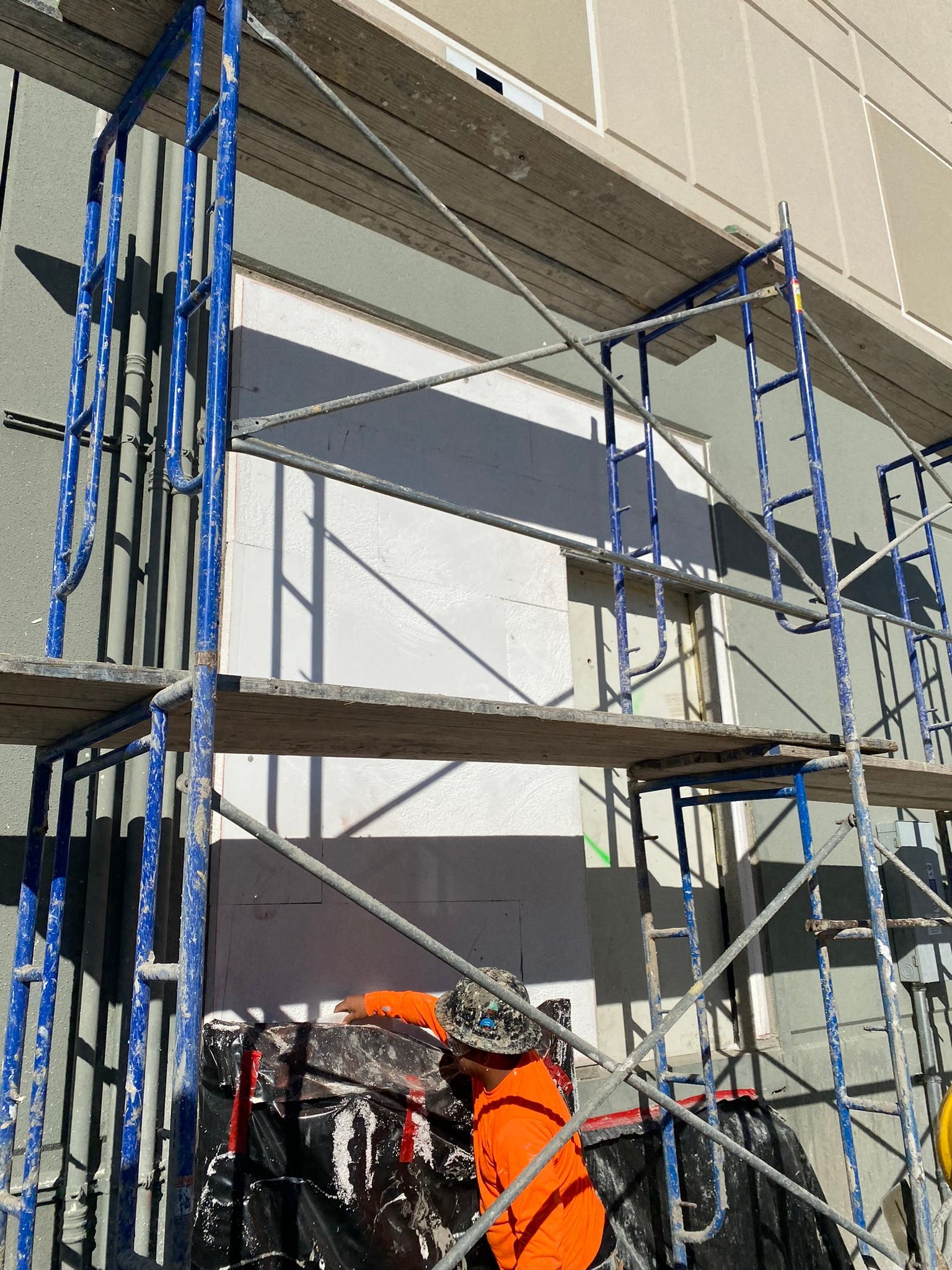
Many stucco failures in the Houston area stem from improper original installation practices, including incorrect WRB sequencing, insufficient lath fastening, inadequate base coat thickness, and stucco applied before framing materials had adequately dried, resulting in early cracking and loss of bond.
Foundation Movement and Expansive Soils
Foundation movement caused by Houston’s expansive clay soils creates ongoing structural movement that results in recurring cracking around windows, doors, and control joints, making surface-level repairs ineffective unless the underlying movement is properly addressed.
Flashing and Drainage Deficiencies
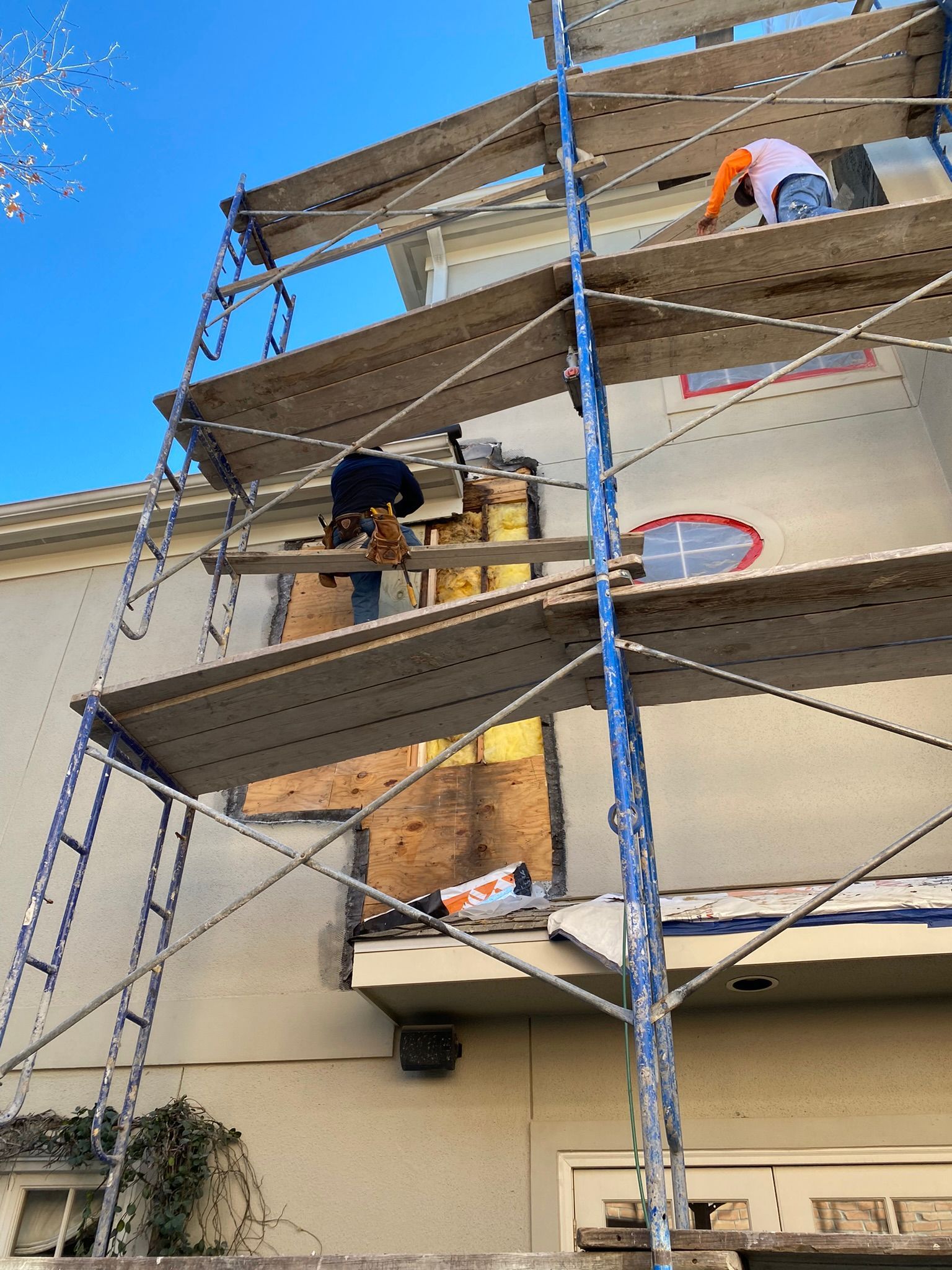
Flashing and drainage deficiencies are especially problematic during heavy rain events, as even minor errors at windows, balconies, and roof transitions allow water to migrate laterally behind the stucco system, leading to staining, efflorescence, and concealed structural damage.
Sealant Failure from Heat and UV Exposure
Sealant failure is accelerated by intense heat and UV exposure, particularly when non-elastomeric materials or improper joint designs are used, allowing water to bypass the stucco system and reopen cracks shortly after repair.
Substrate Deterioration
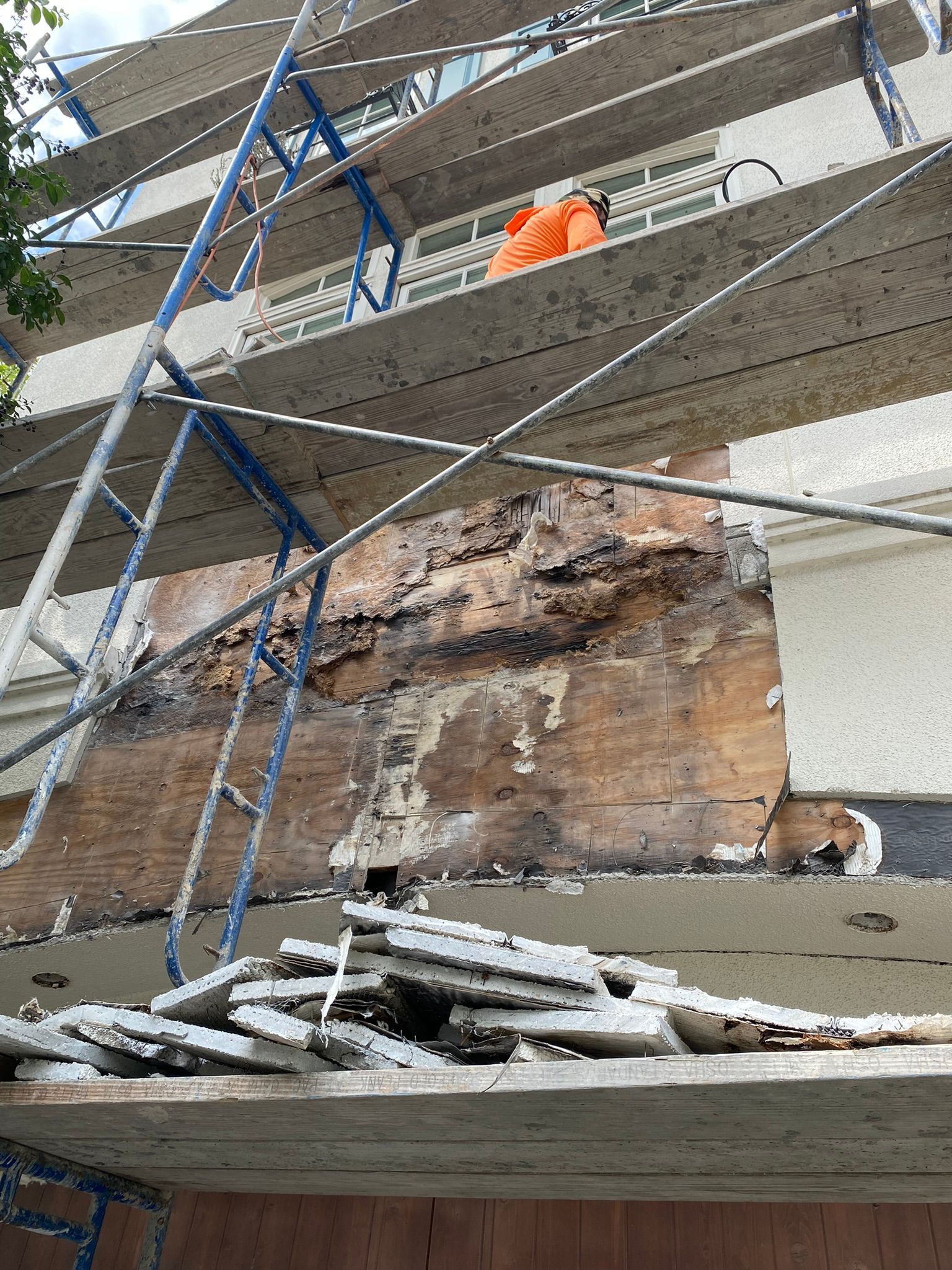
Wood-based substrates are especially vulnerable in Houston’s climate, as prolonged moisture exposure leads to rot, fastener corrosion, loss of attachment, and eventual stucco detachment or bulging.
Improper Prior Repairs
Incorrect prior repairs that focus on appearance rather than moisture management, such as skim-coating cracks or applying coatings over wet walls, frequently worsen conditions and result in repeated failures.
Lack of Ongoing Maintenance
A lack of routine maintenance further accelerates deterioration, as sealants, drainage components, and protective coatings require more frequent inspection and replacement under Gulf Coast conditions.
System Mismatch and Code Deviations
System mismatches and deviations from code-compliant details, including mixing EIFS-style components with traditional hard-coat stucco, commonly lead to premature system failure despite a new or recently repaired appearance.
Stucco Repairs
Cracks and Damage
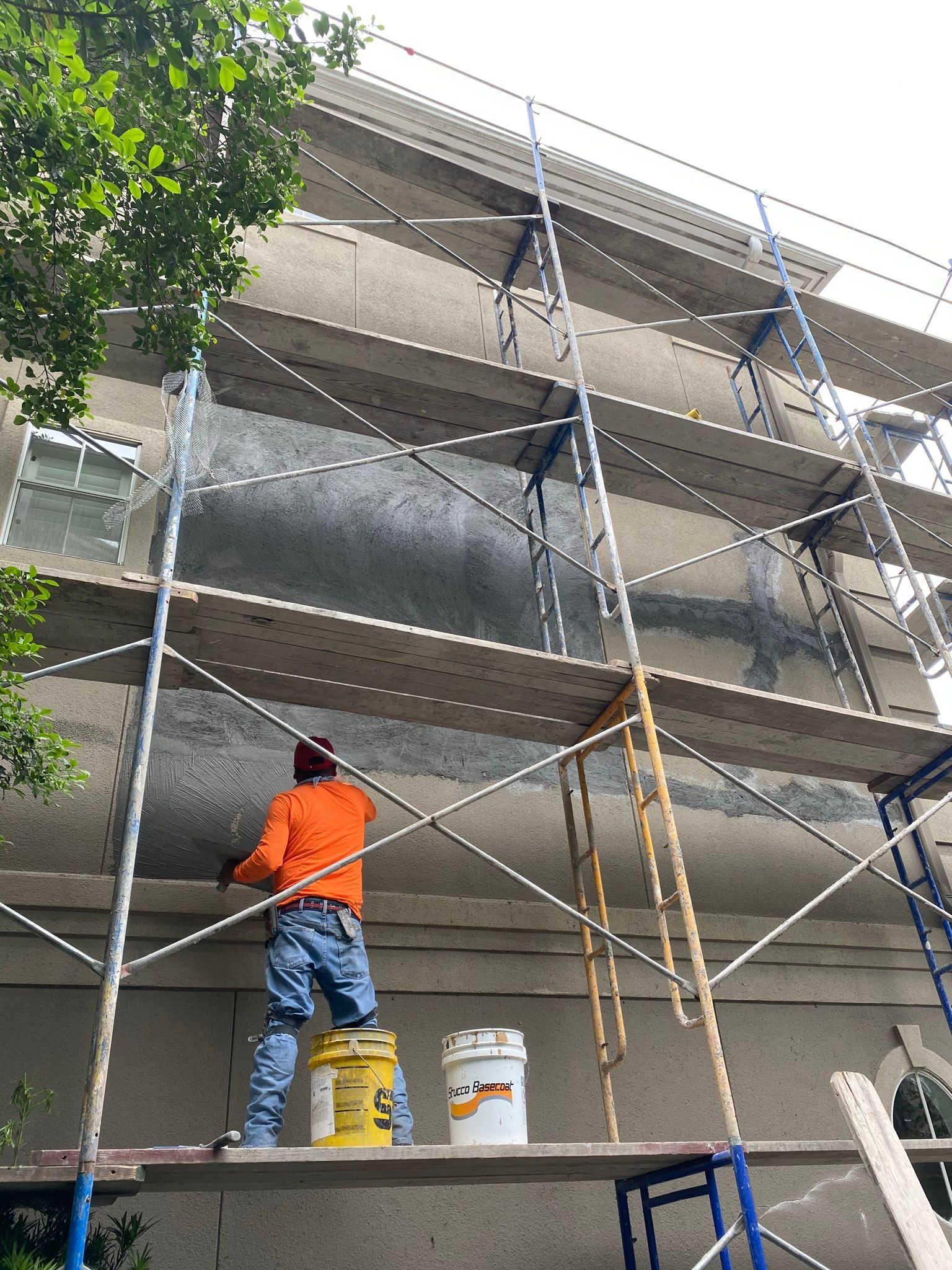
Repairing cracks and other forms of damage that may develop in the existing stucco over time due to weather, settlement, or other factors.
Water Damage
Addressing water damage and moisture-related issues in the stucco, which can lead to mold, rot, or other problems.
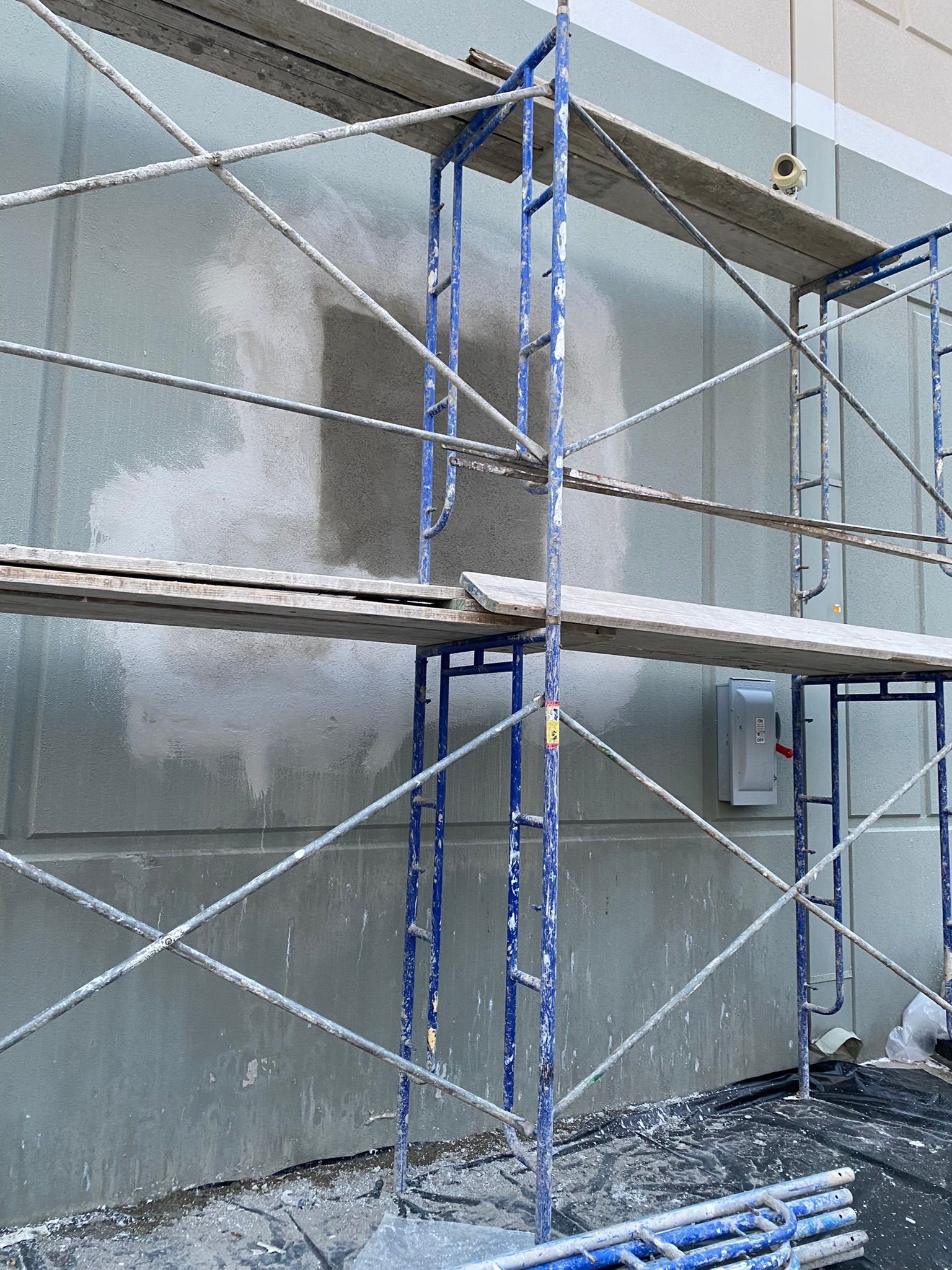
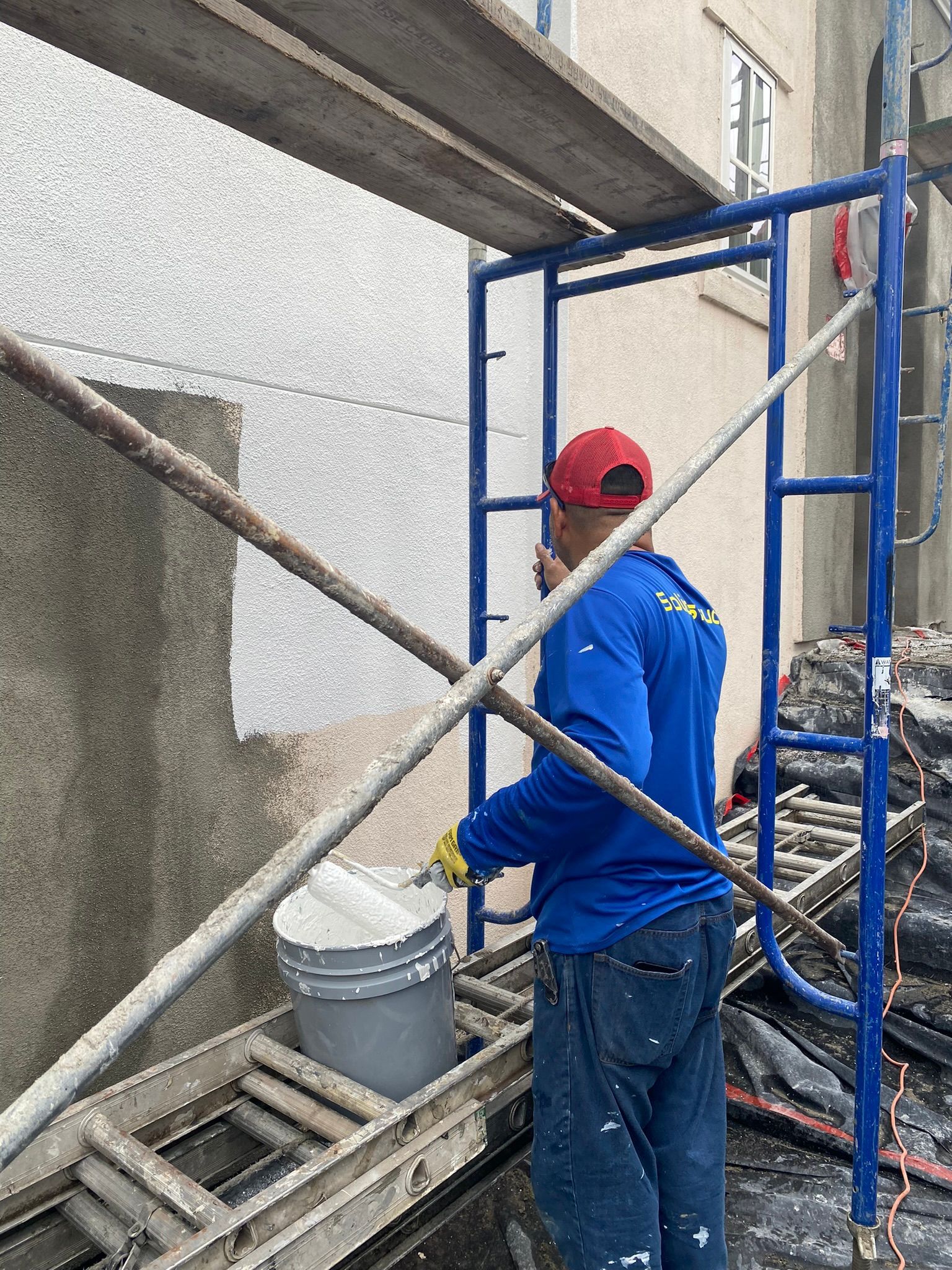
Stucco Patching
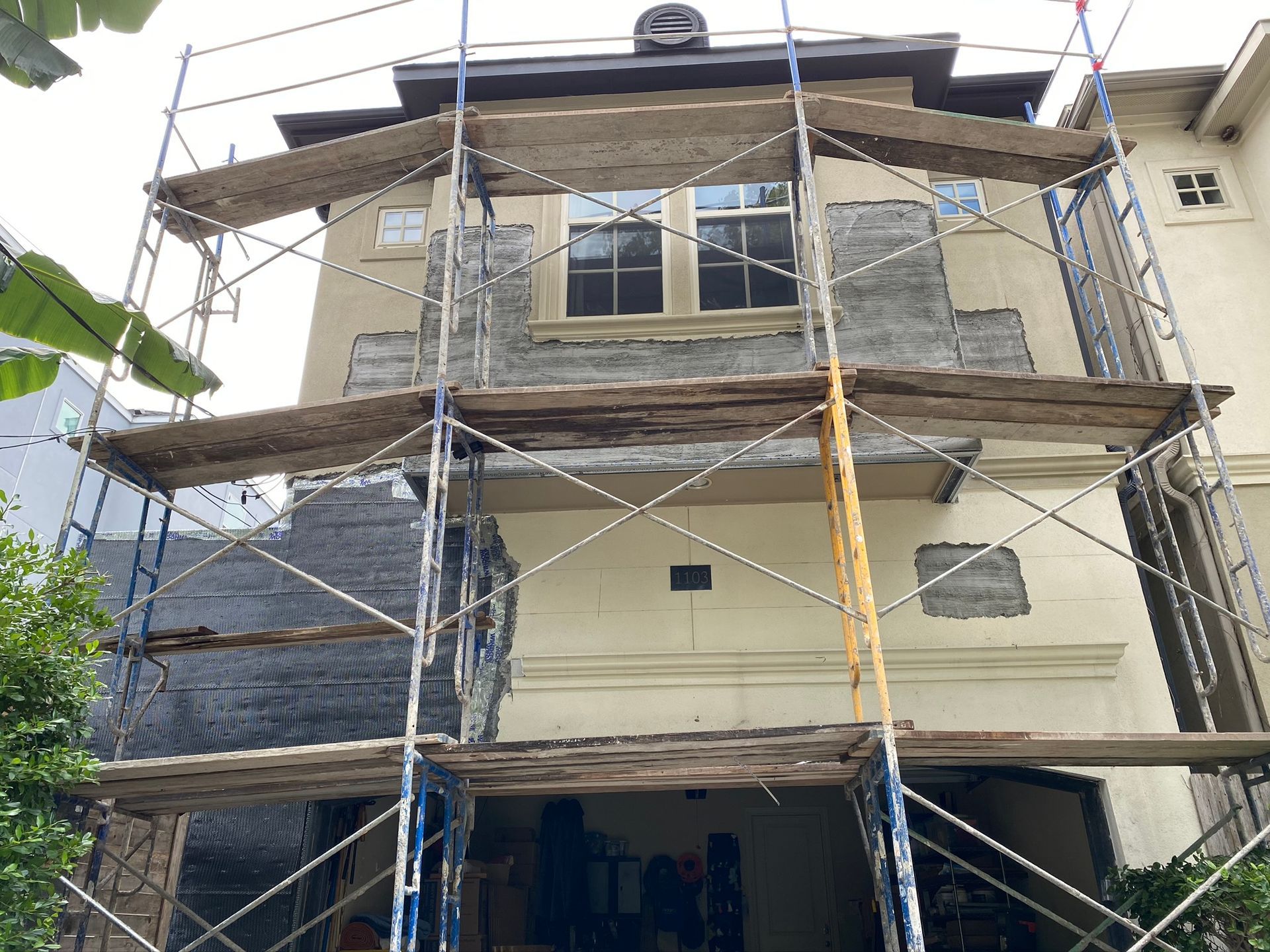
Repairing small holes, imperfections, or damaged areas in the stucco surface. This process involves blending new stucco with the existing finish to achieve a seamless appearance.