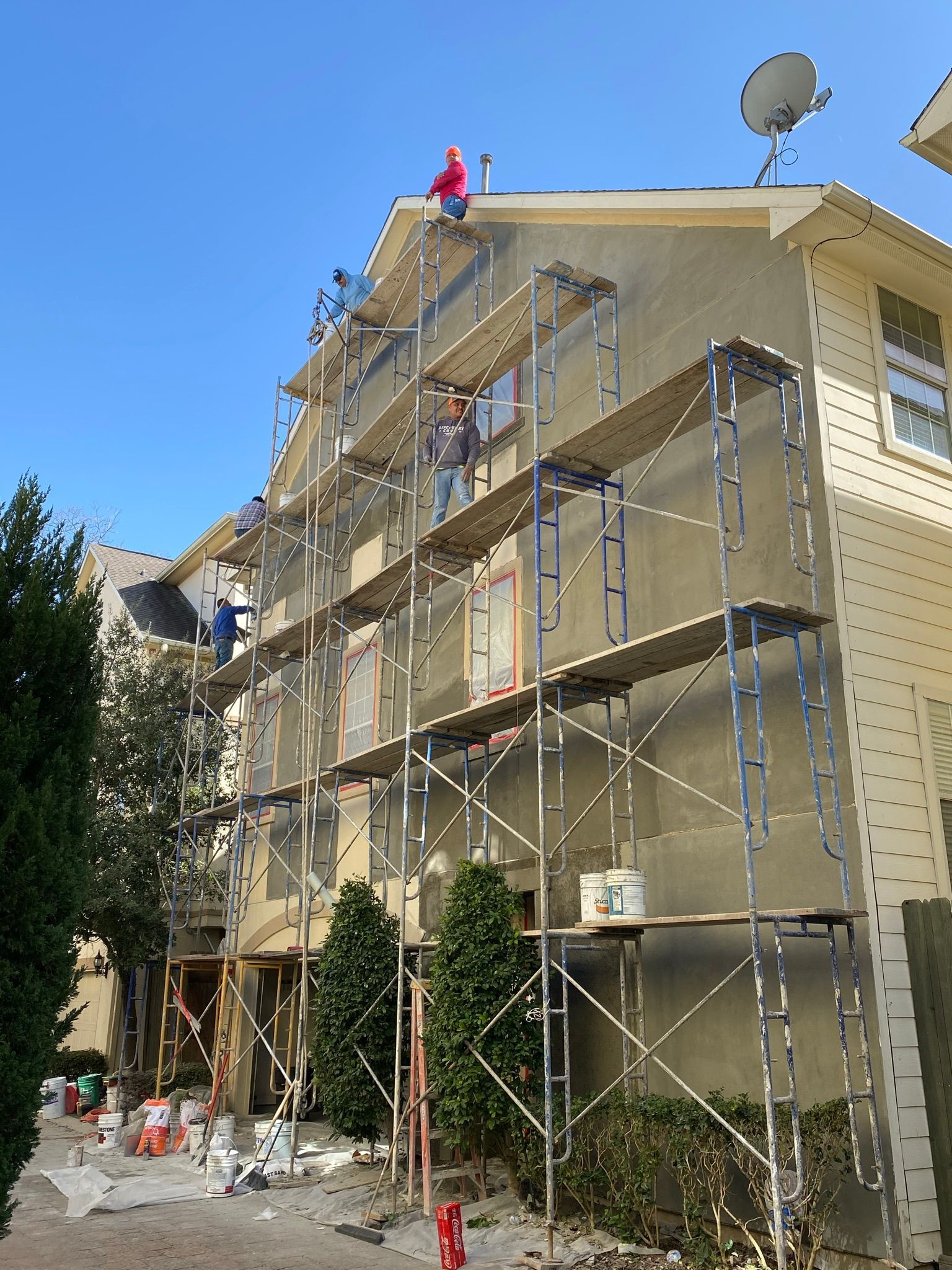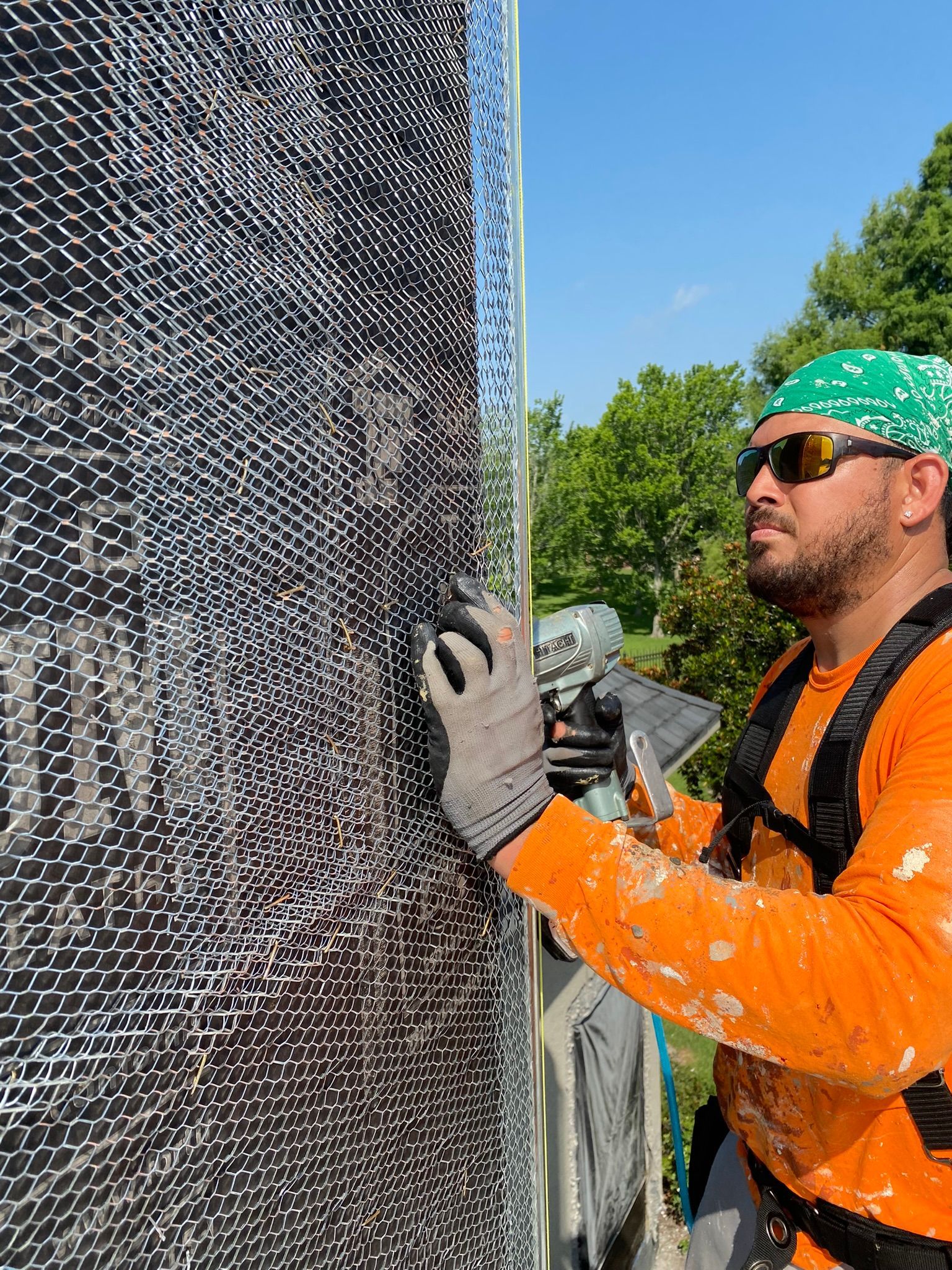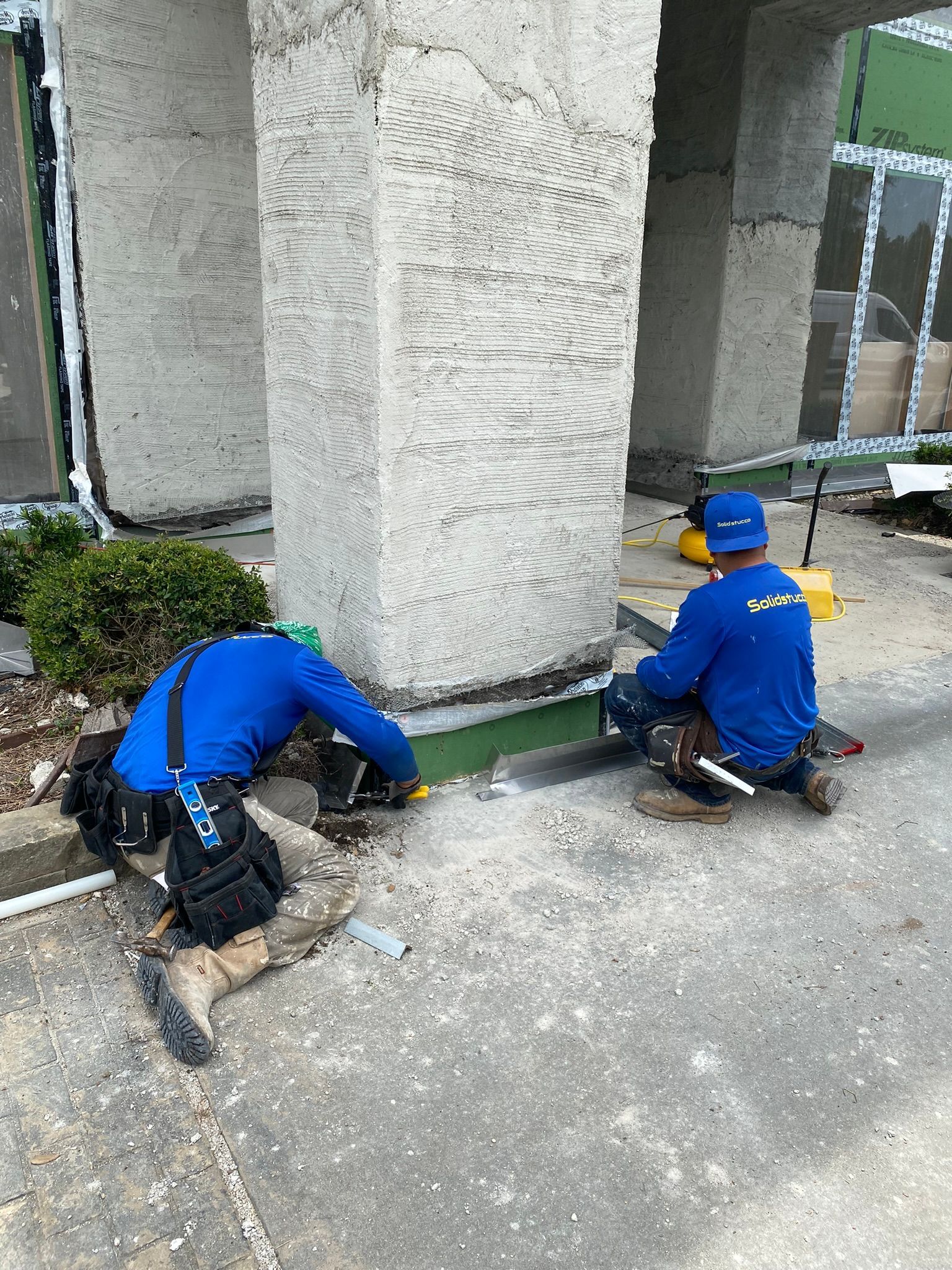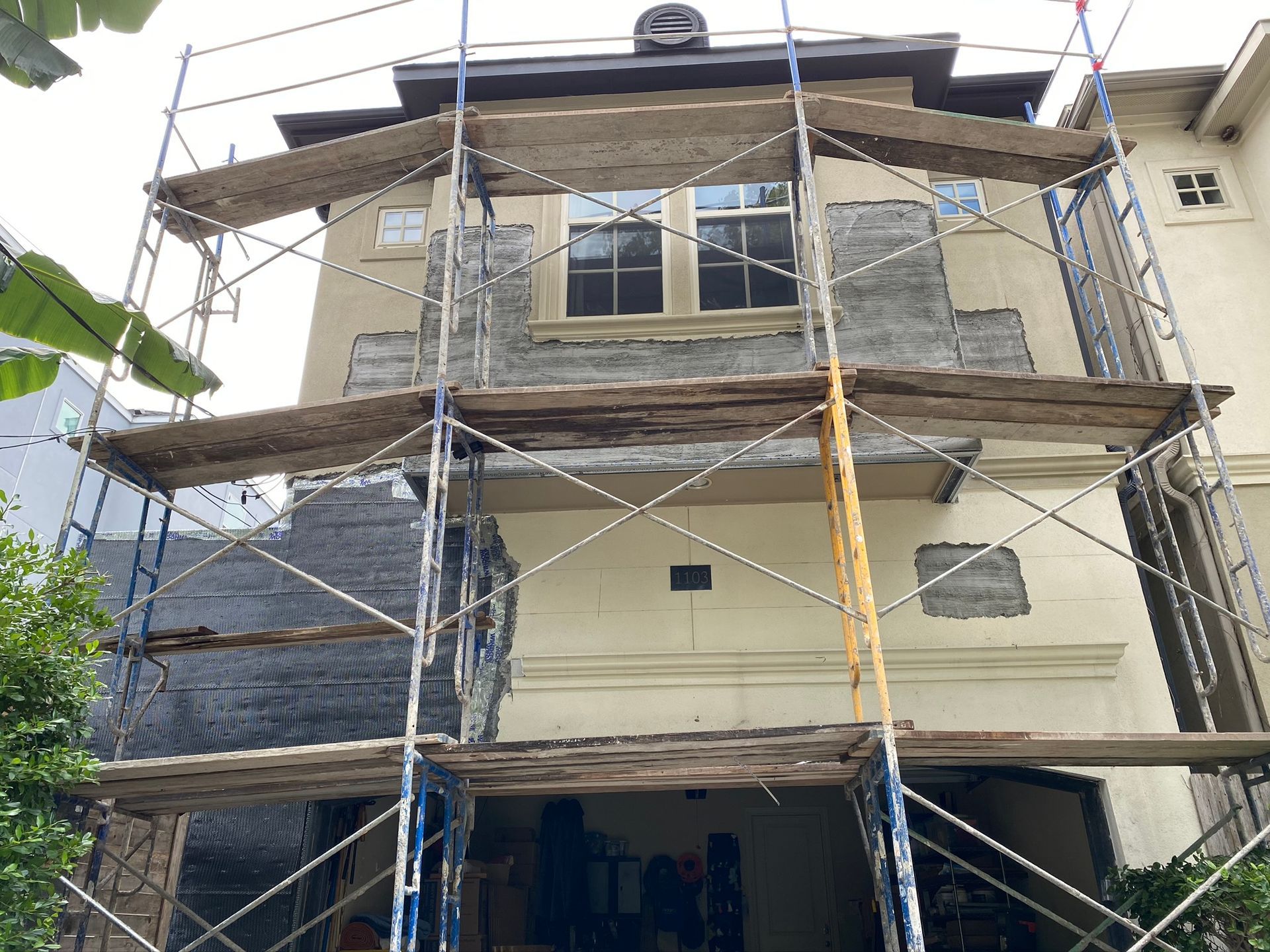
Breathe New Life into Your Home with Wood Rot Repair
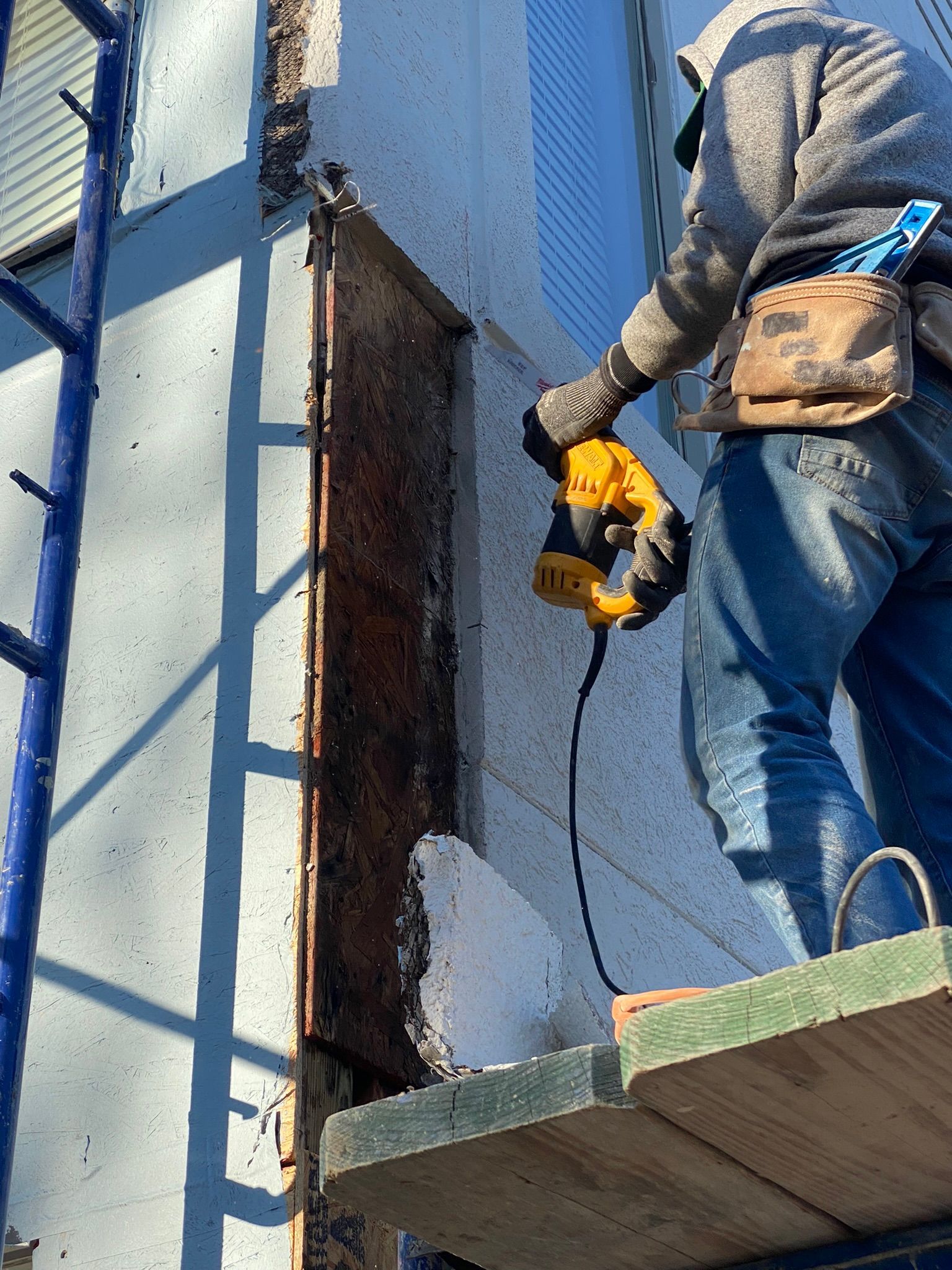
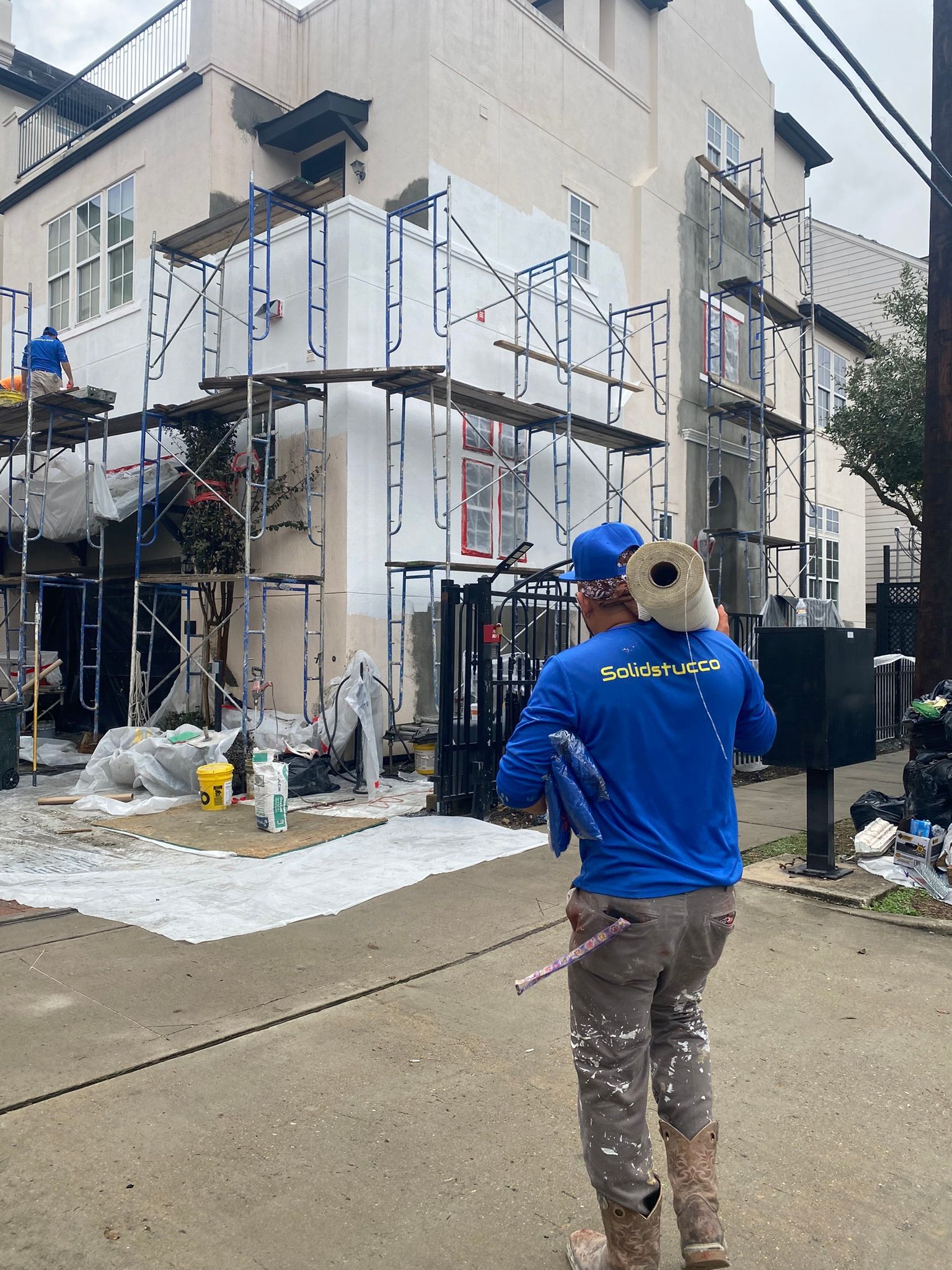
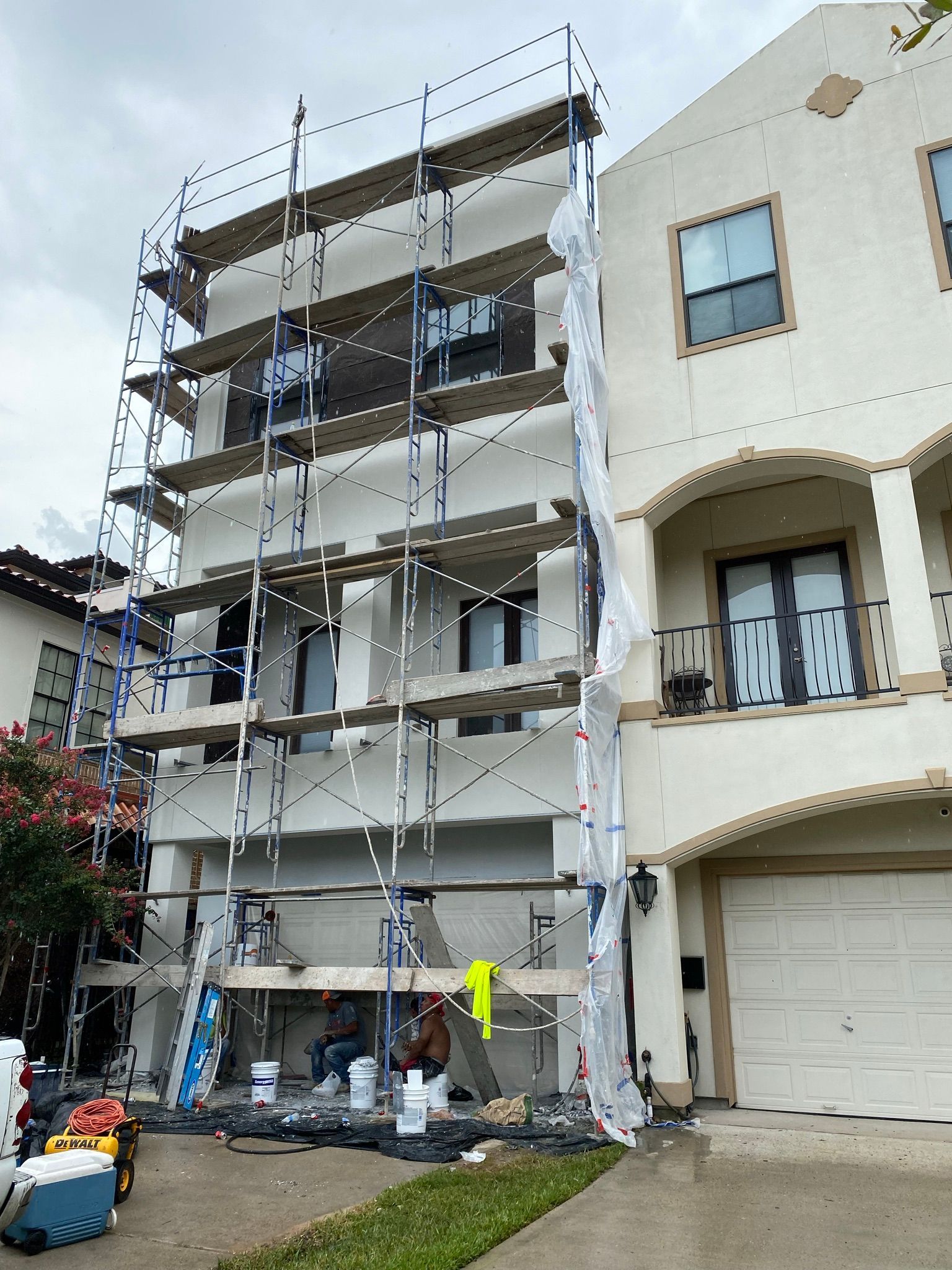
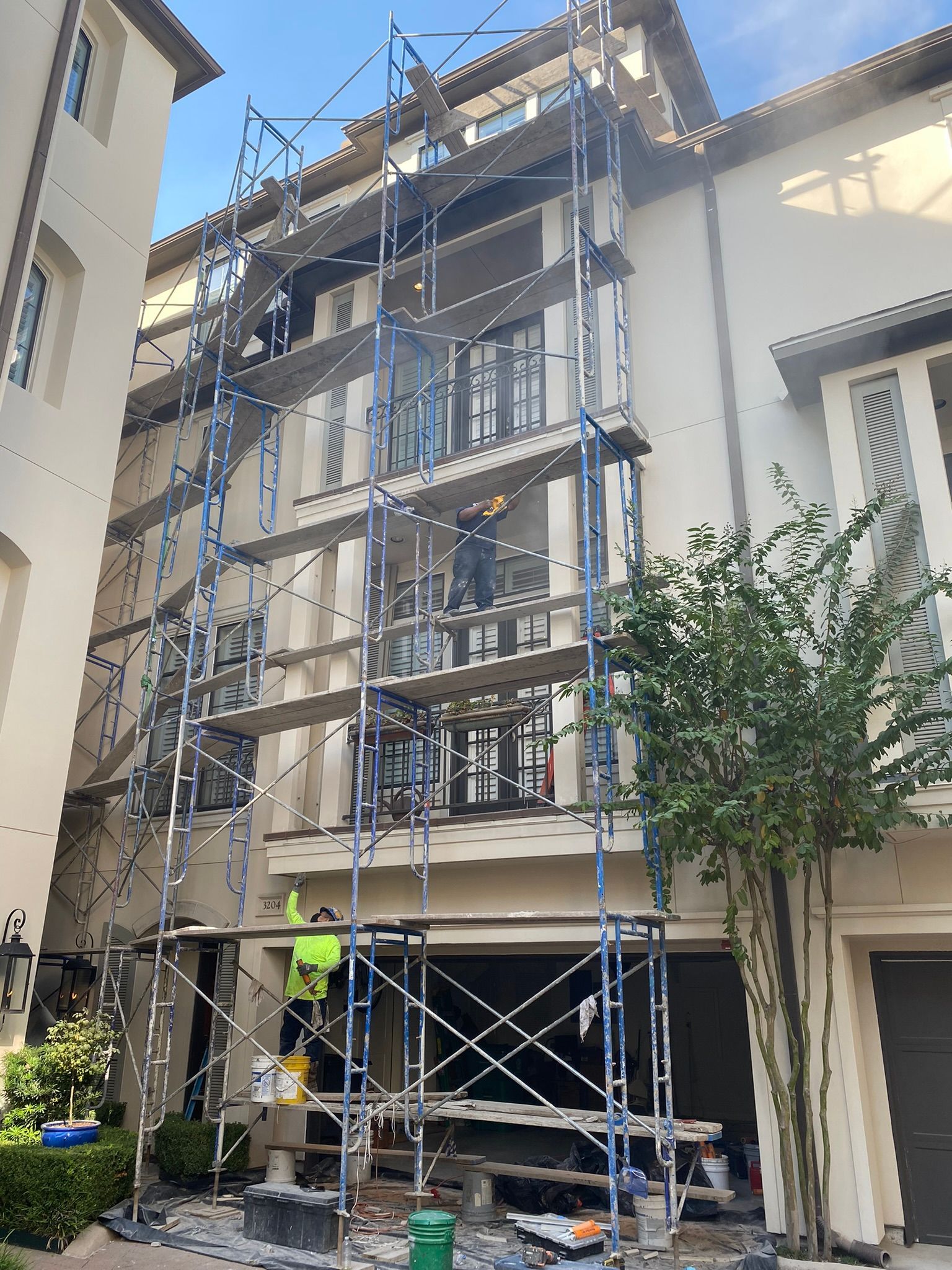
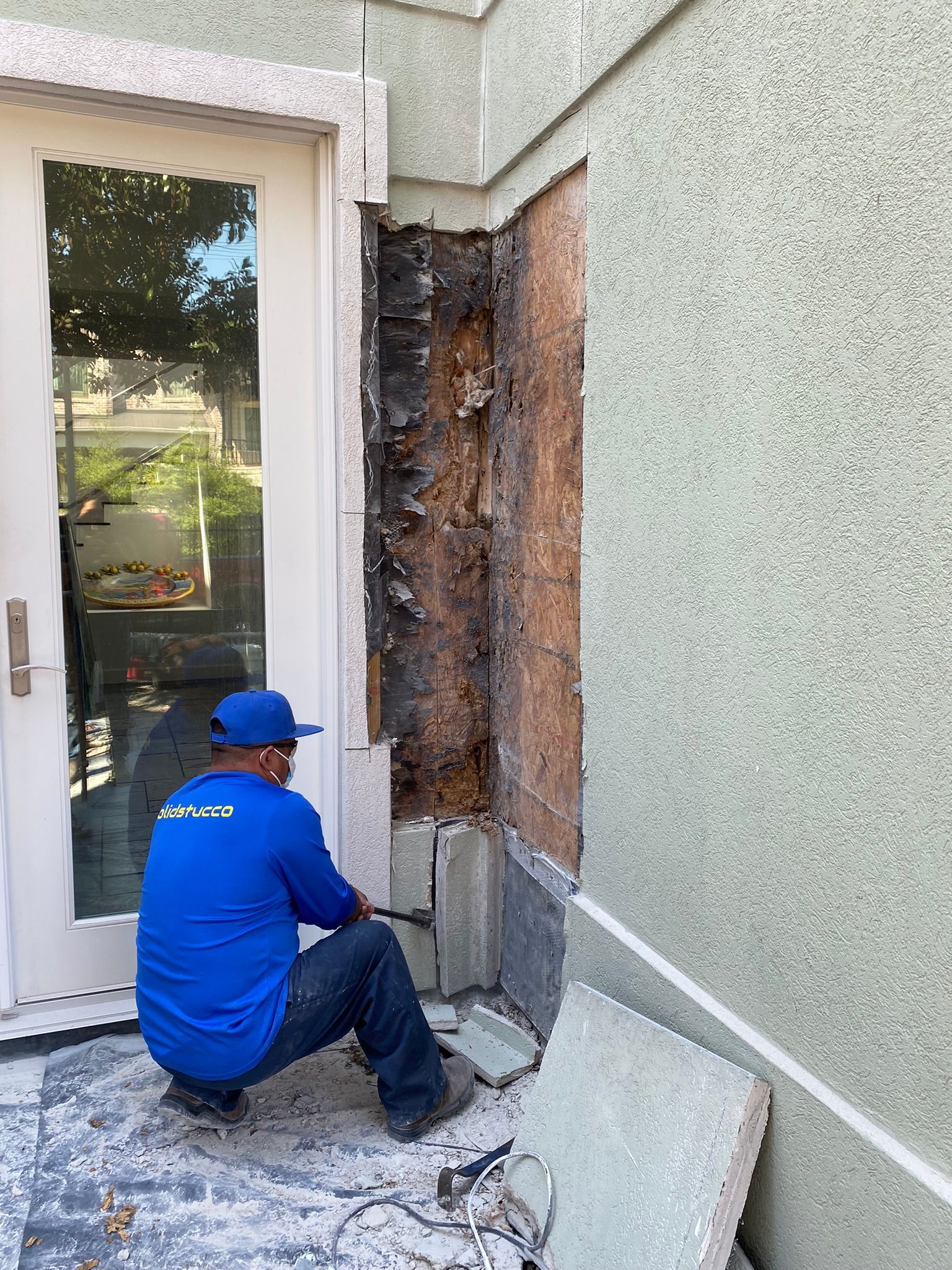
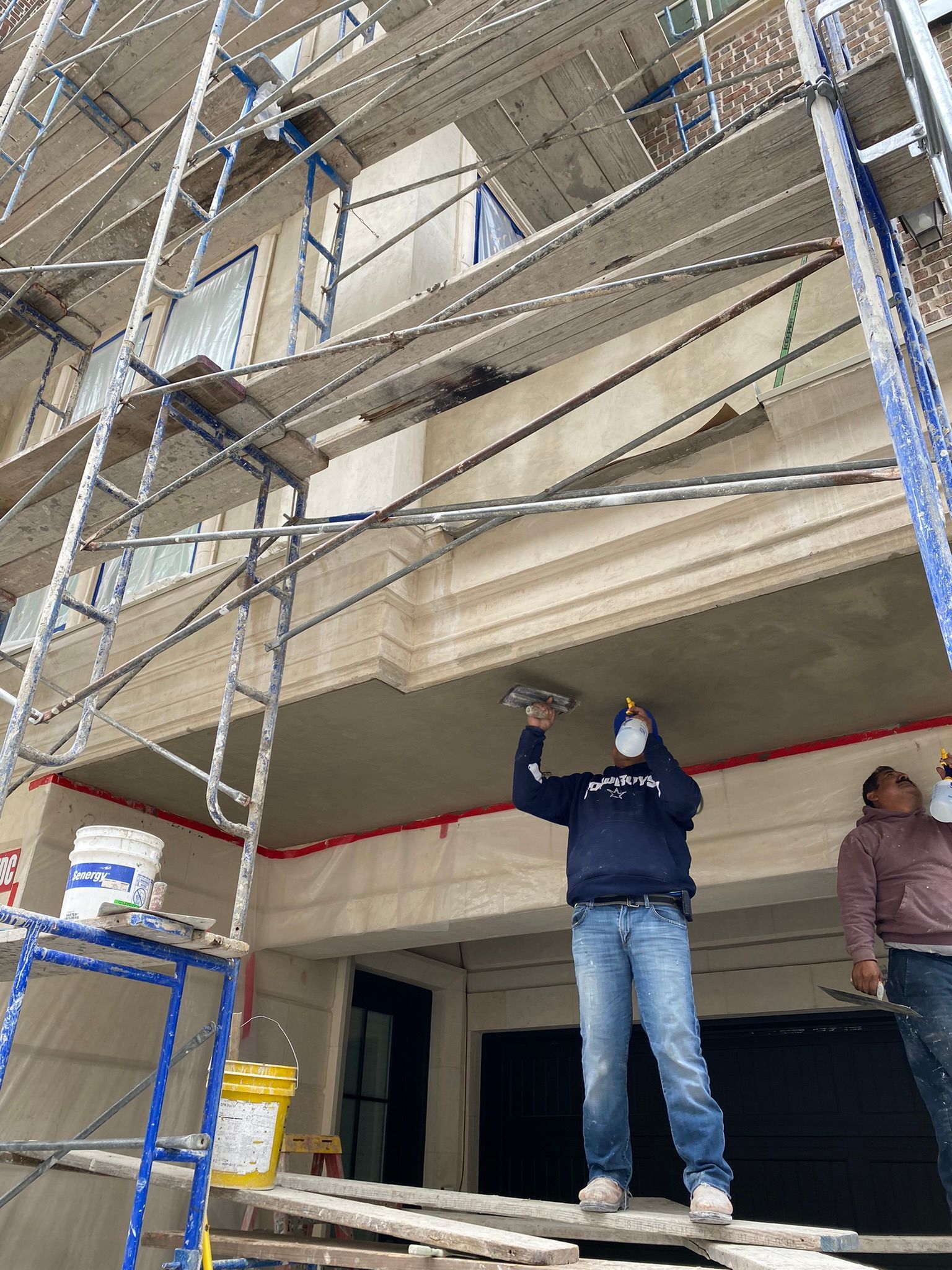
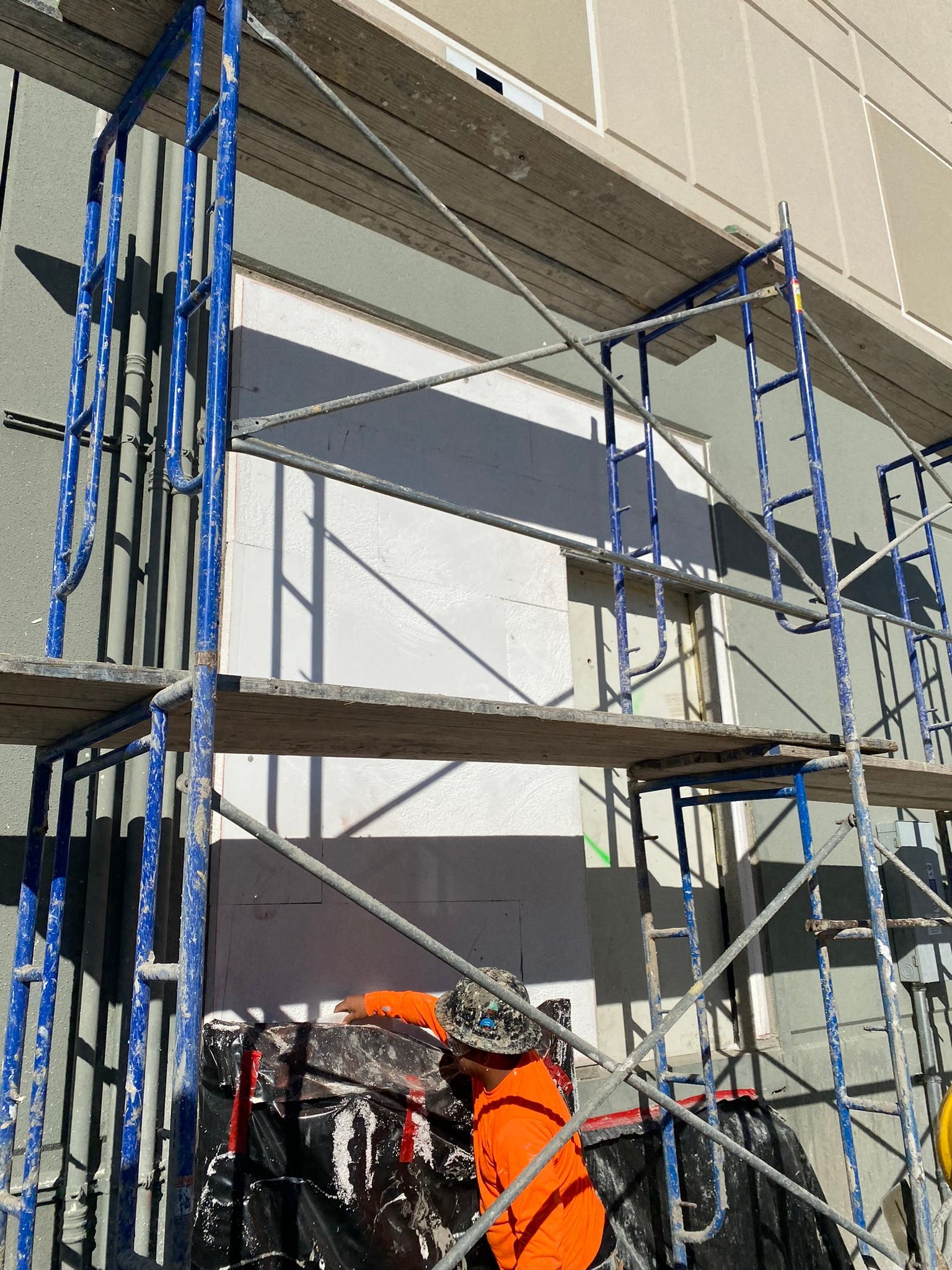
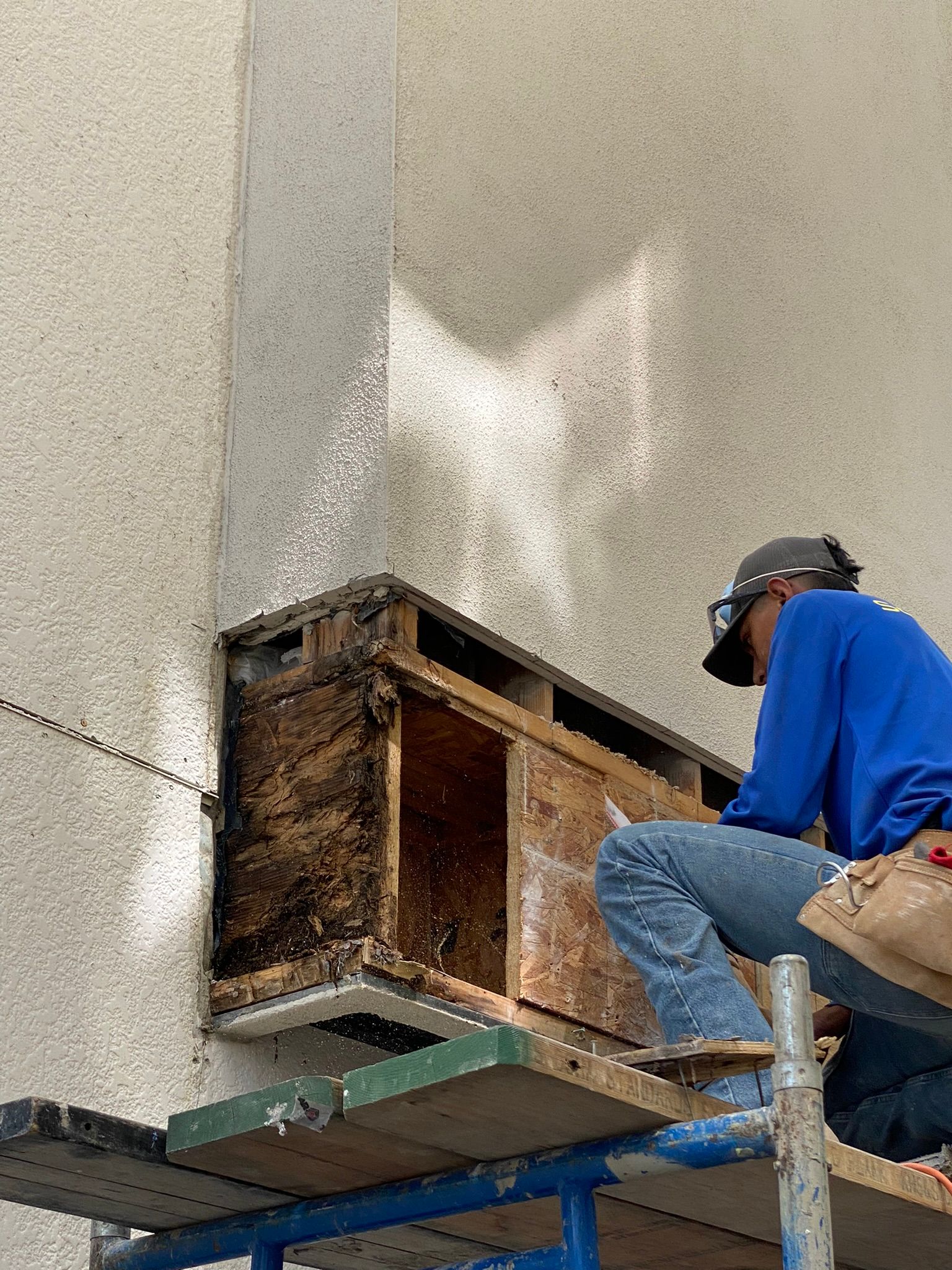
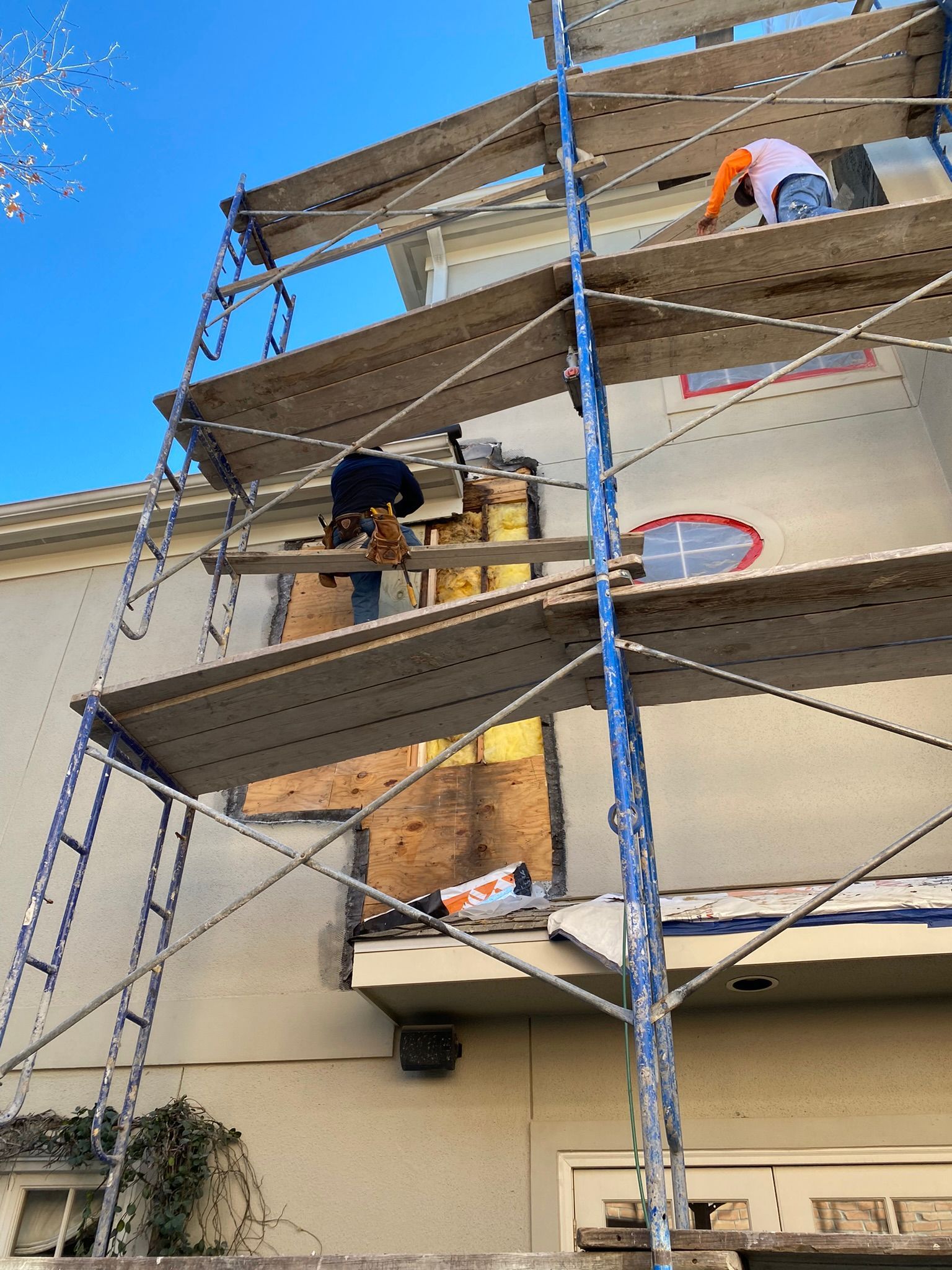
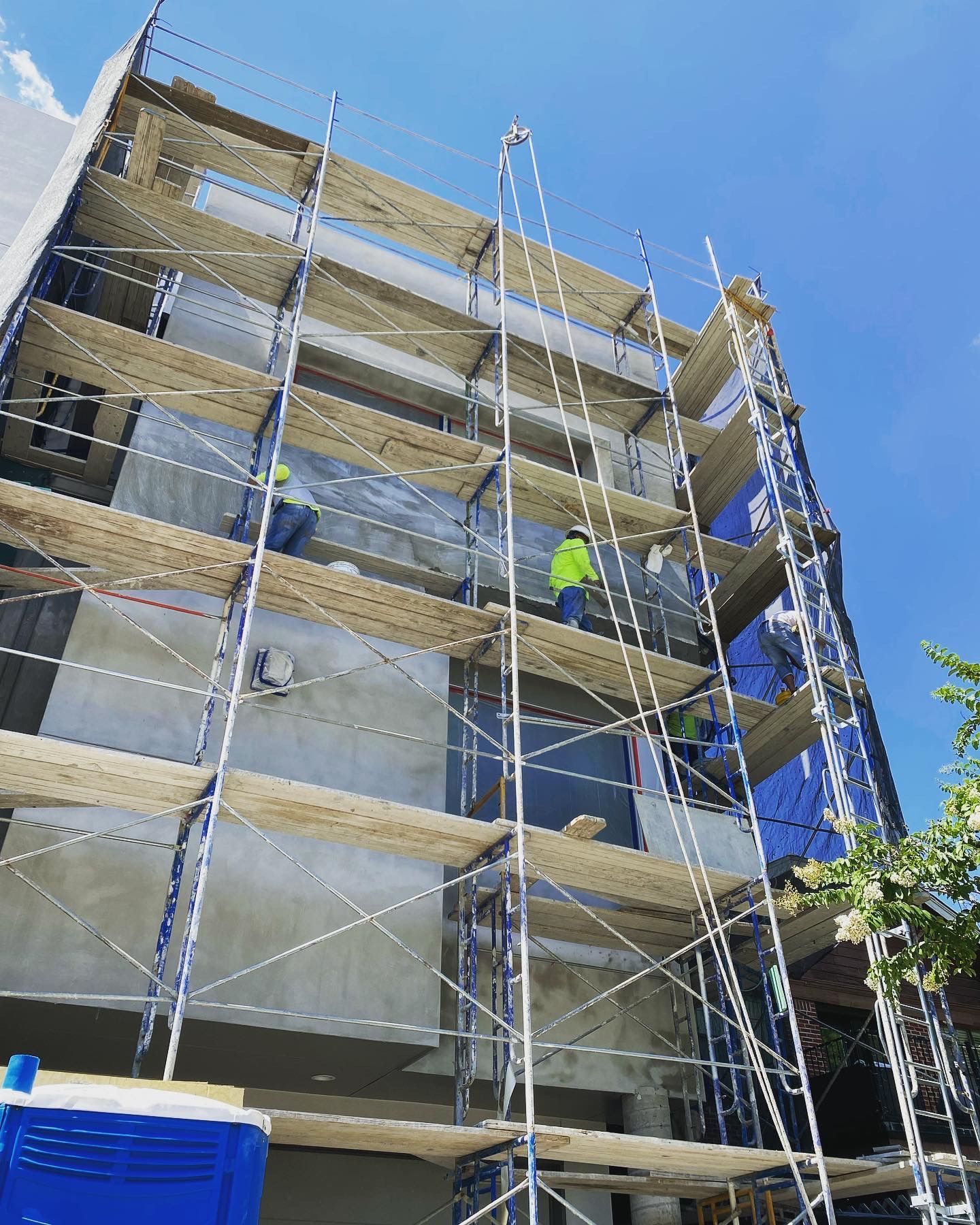
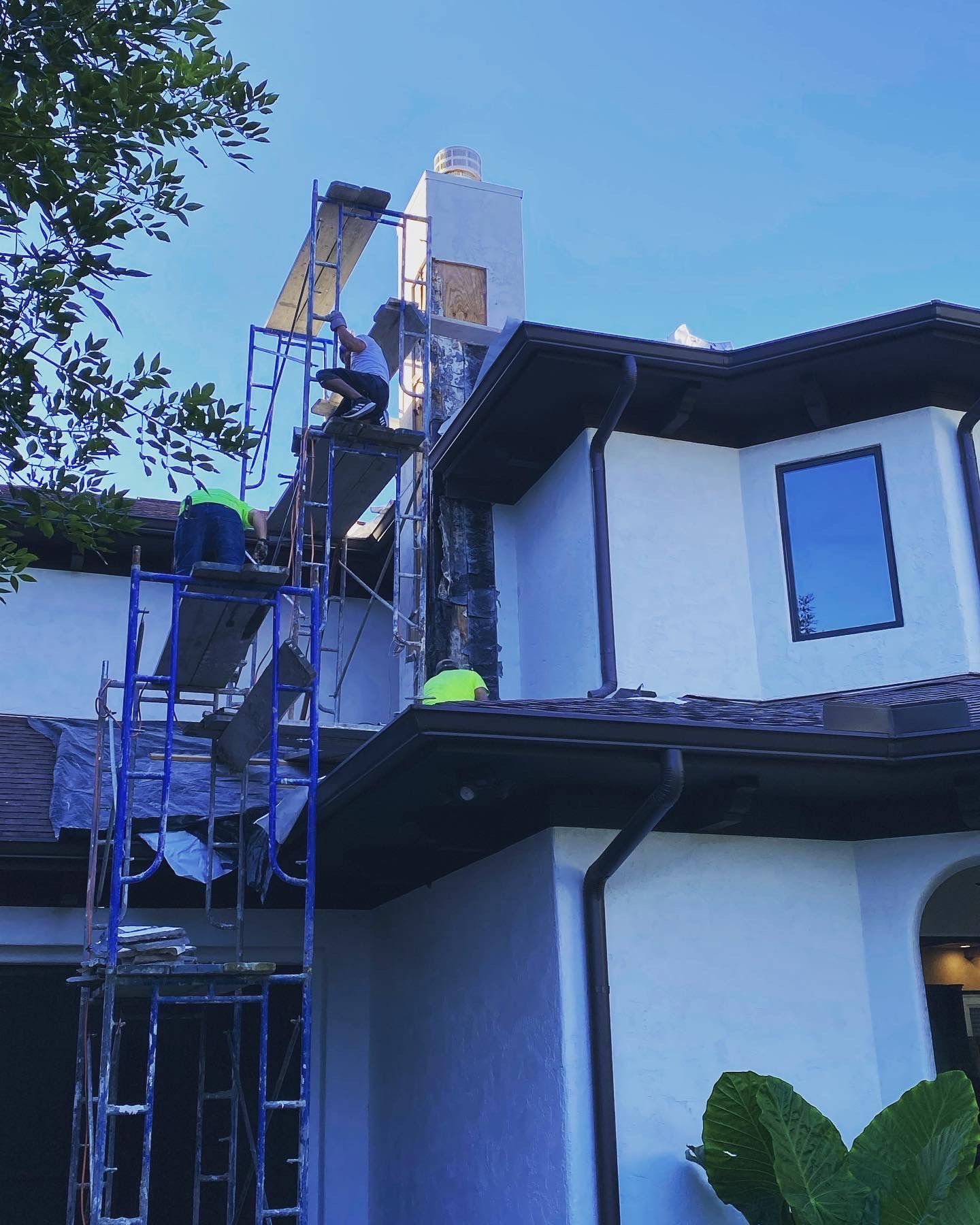
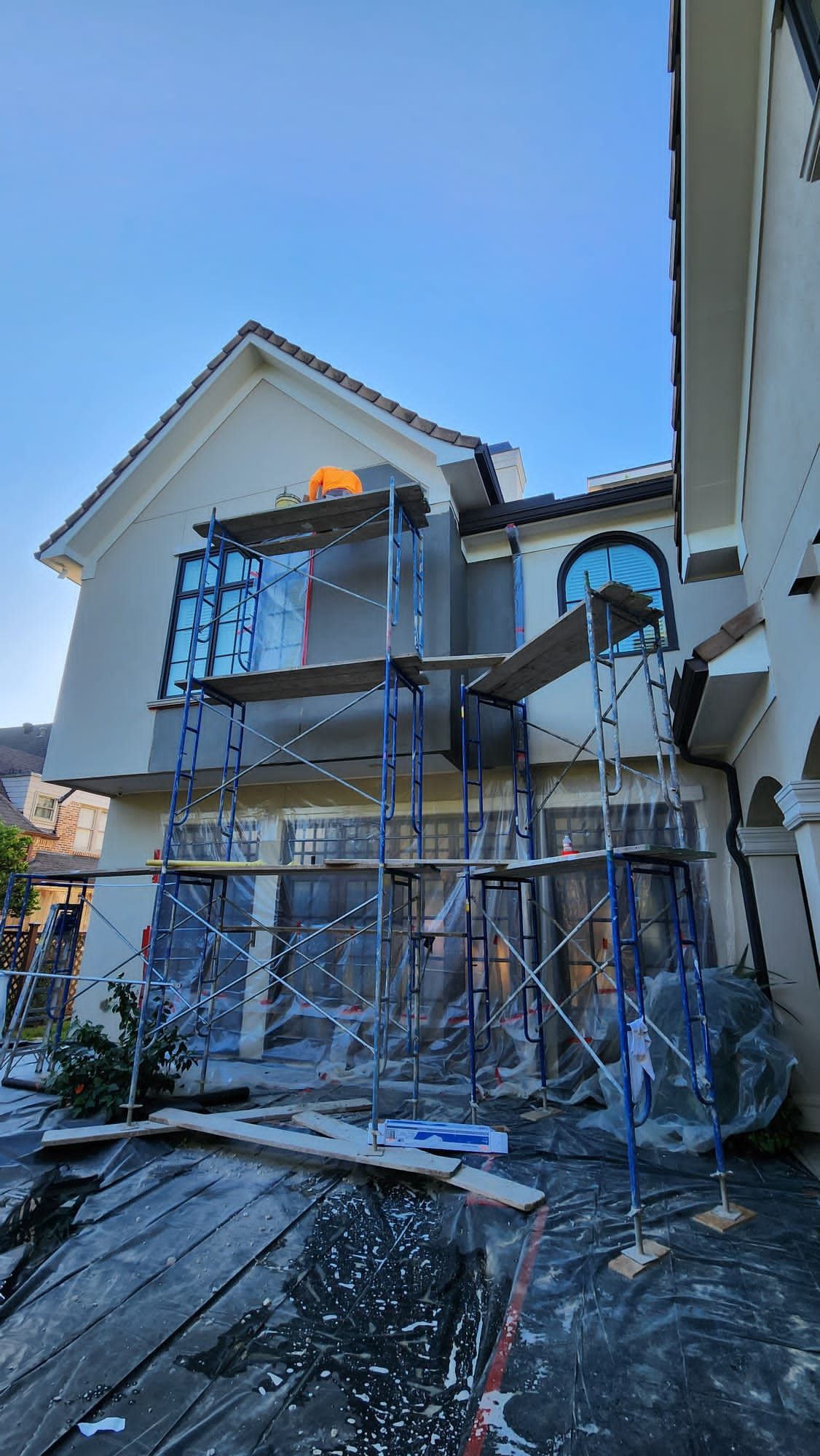
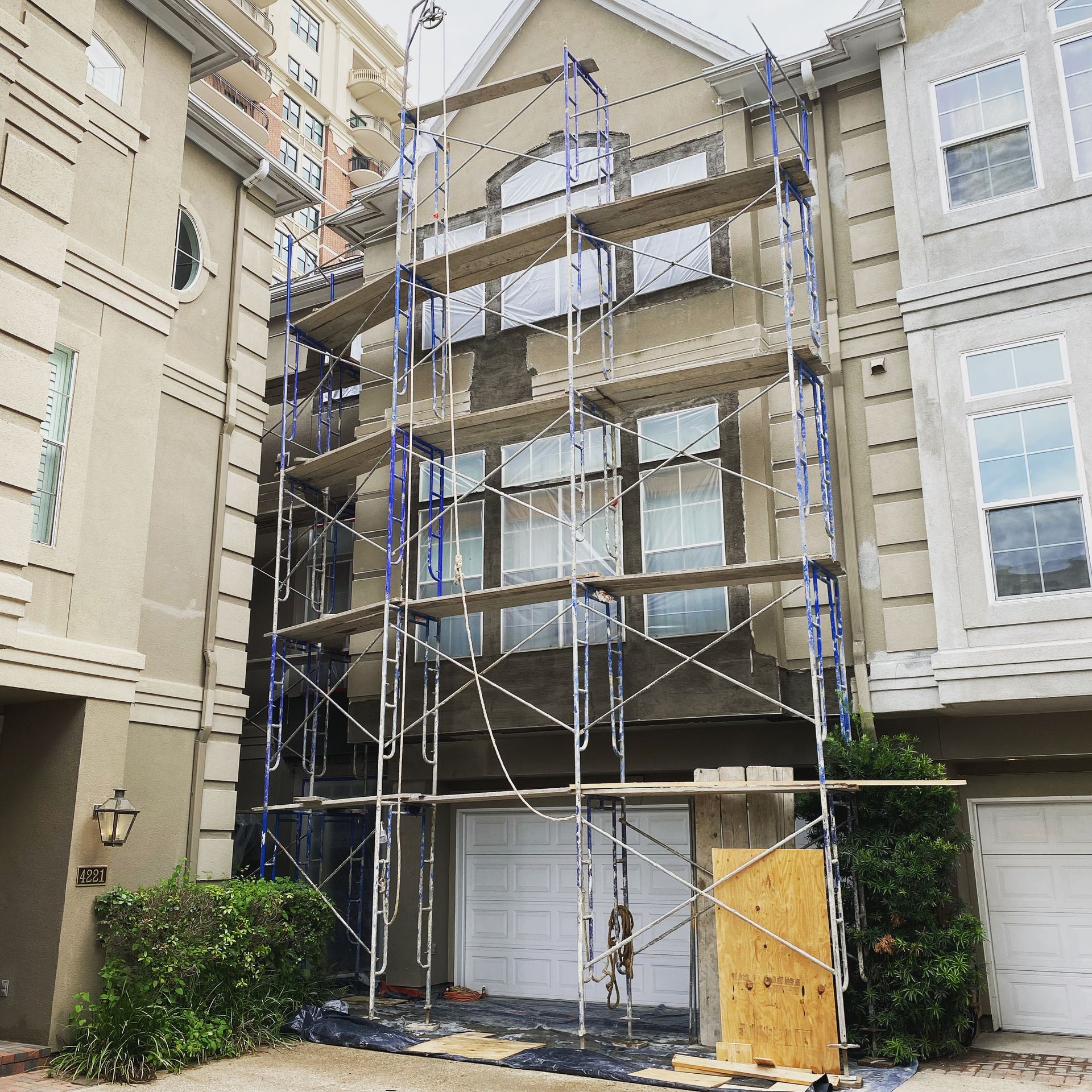
Dealing with wet, cracked, or deteriorating wood can threaten the integrity of your property, making professional wood rot repair essential to maintaining a safe structure. We specialize in thorough wood rot restoration services for residents in Alvin, TX, ensuring every damaged section is carefully removed and replaced with durable materials. Our team focuses on preventing further decay by addressing moisture sources and reinforcing affected areas with precision. Trust Solid Stucco to deliver expert craftsmanship and long-lasting solutions that protect your investment. Contact us today for reliable wood rot repair you can count on.
Primary Factors
Water Intrusion
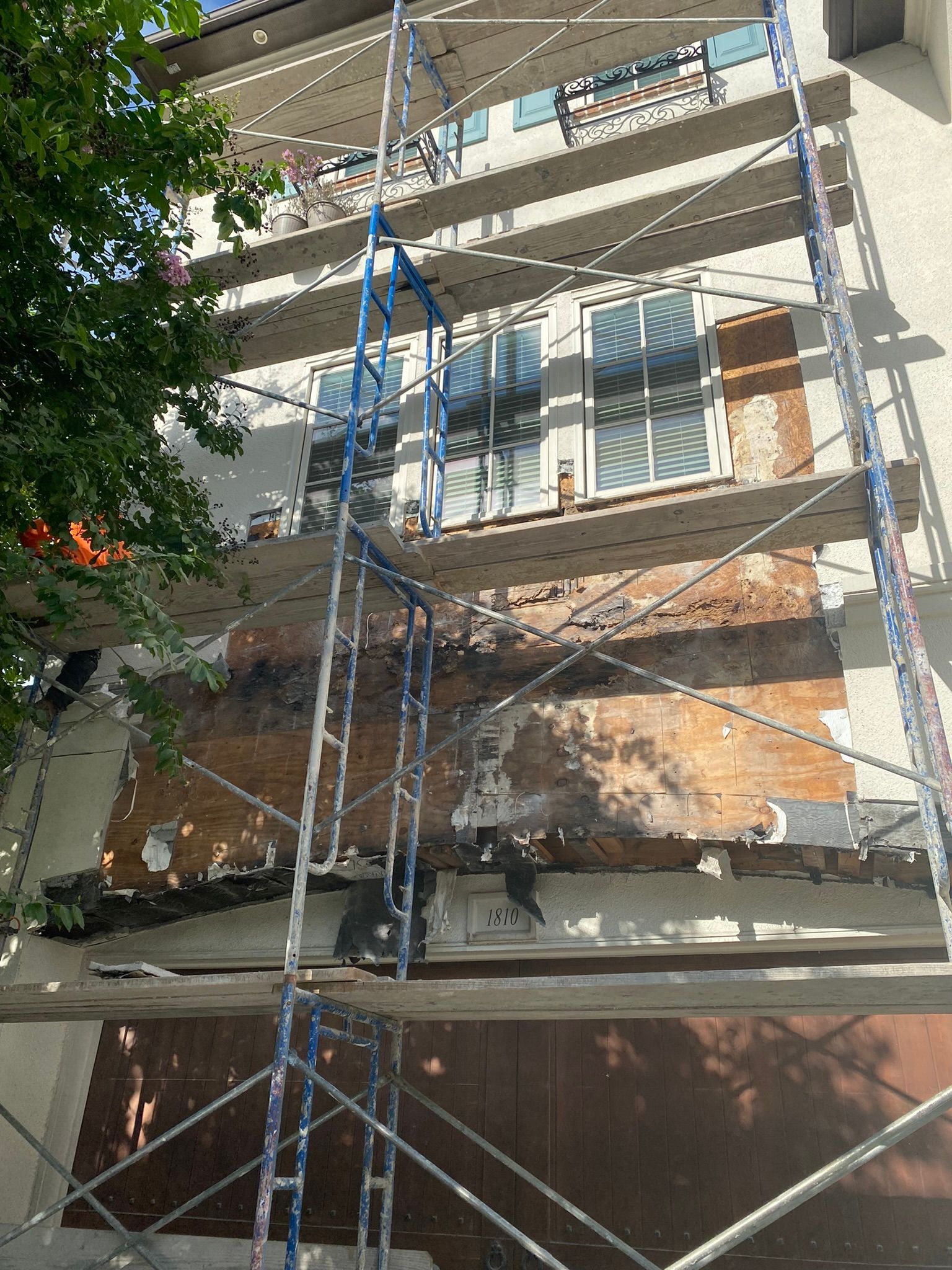
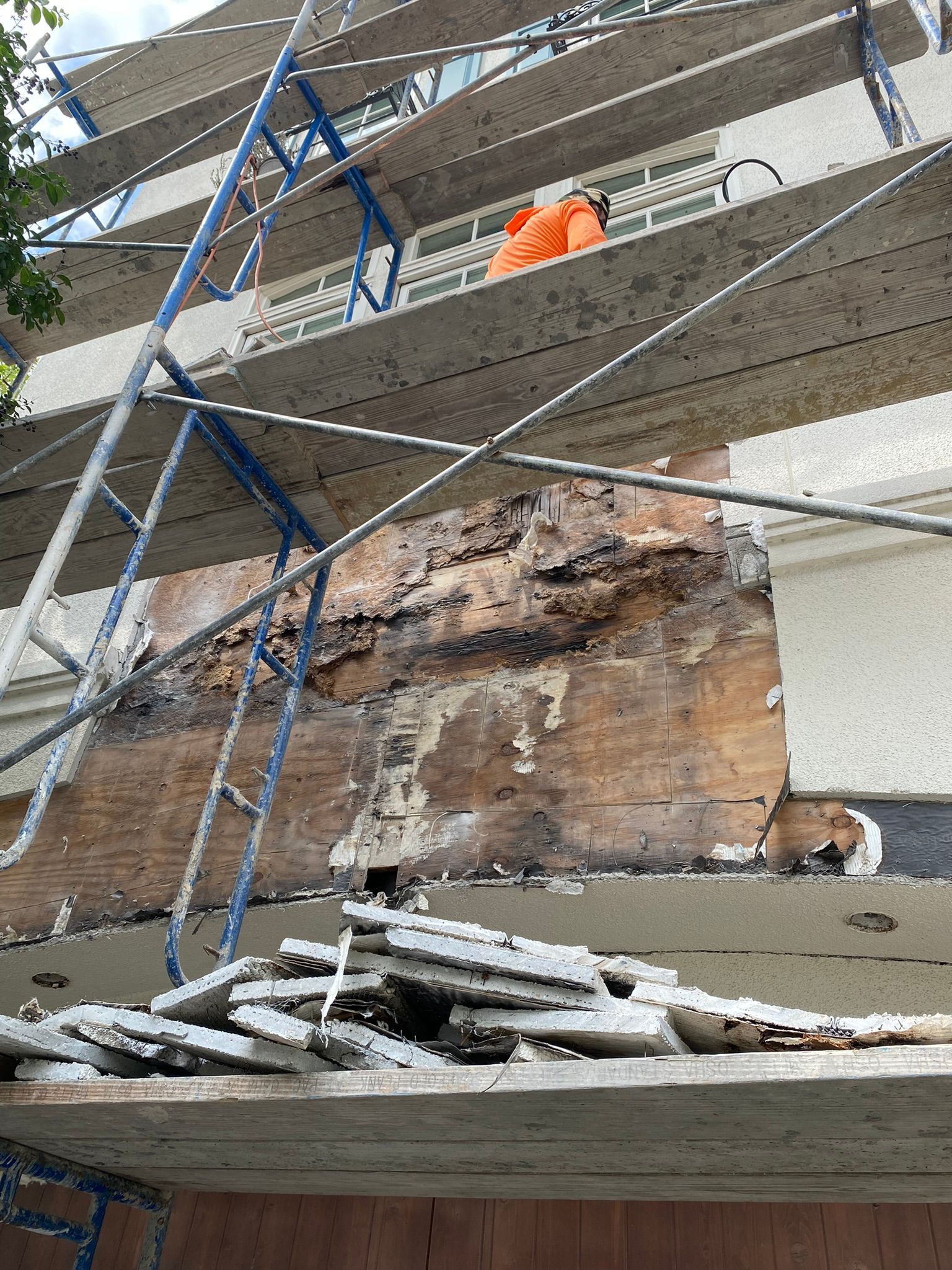
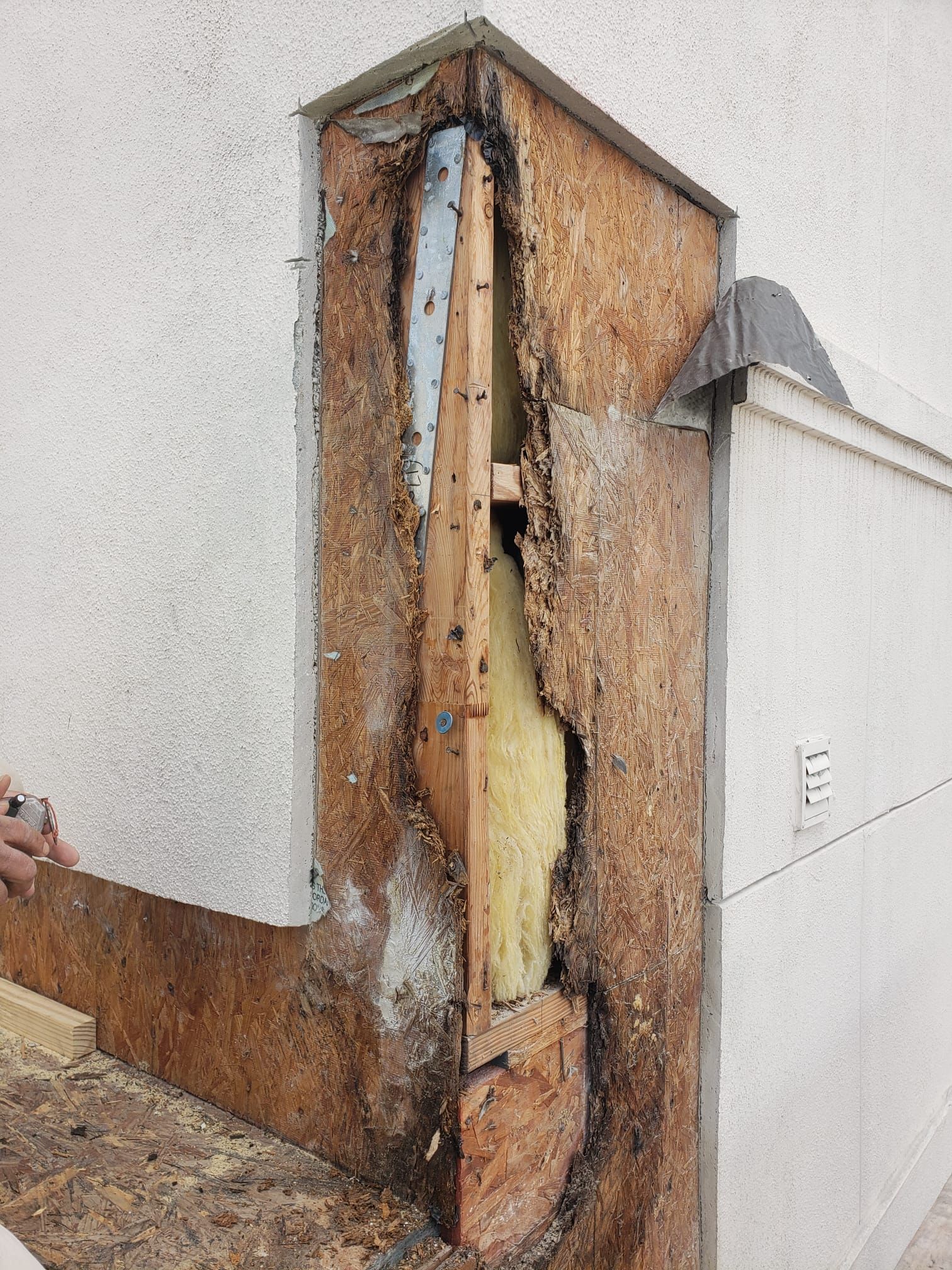
The primary cause of wood damage behind solid stucco in the Houston area is water intrusion. Due to frequent heavy rainfall, wind-driven storms, and high humidity, any failure in flashing, sealants, or moisture barriers allows water to penetrate behind the stucco. Once moisture enters the wall system, it becomes trapped and saturates the wood framing, leading to rot, delamination, and structural deterioration over time.
Missing or Improper Weep Screed
Many homes in Houston lack a properly installed weep screed or have the weep screed buried below grade. Without a functioning drainage point, moisture cannot exit the wall assembly and instead accumulates at the base of the wall. This condition commonly results in rotted sill plates, damaged bottom studs, and deterioration of sheathing materials.
Improper Weather-Resistive Barrier Installation
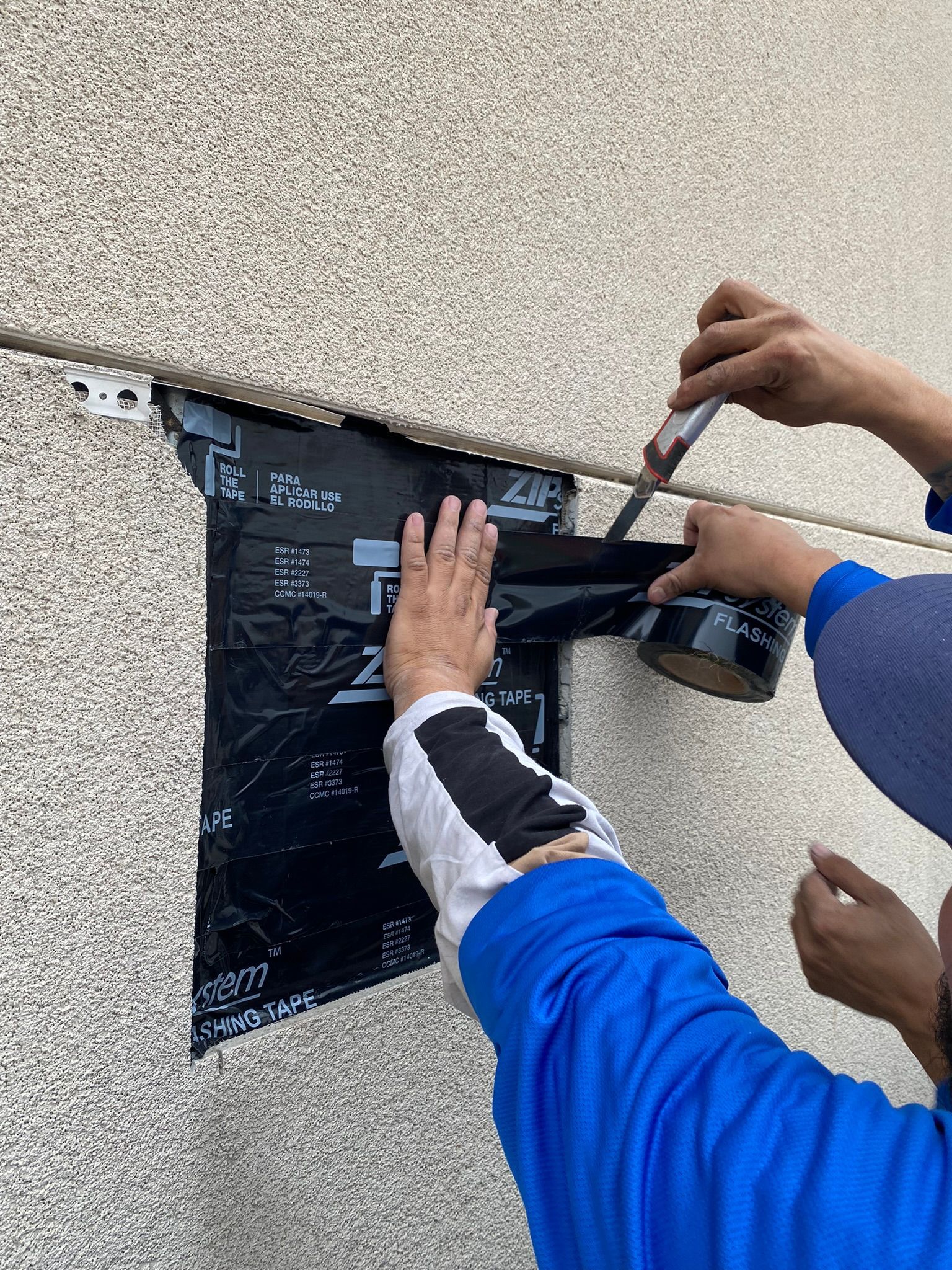
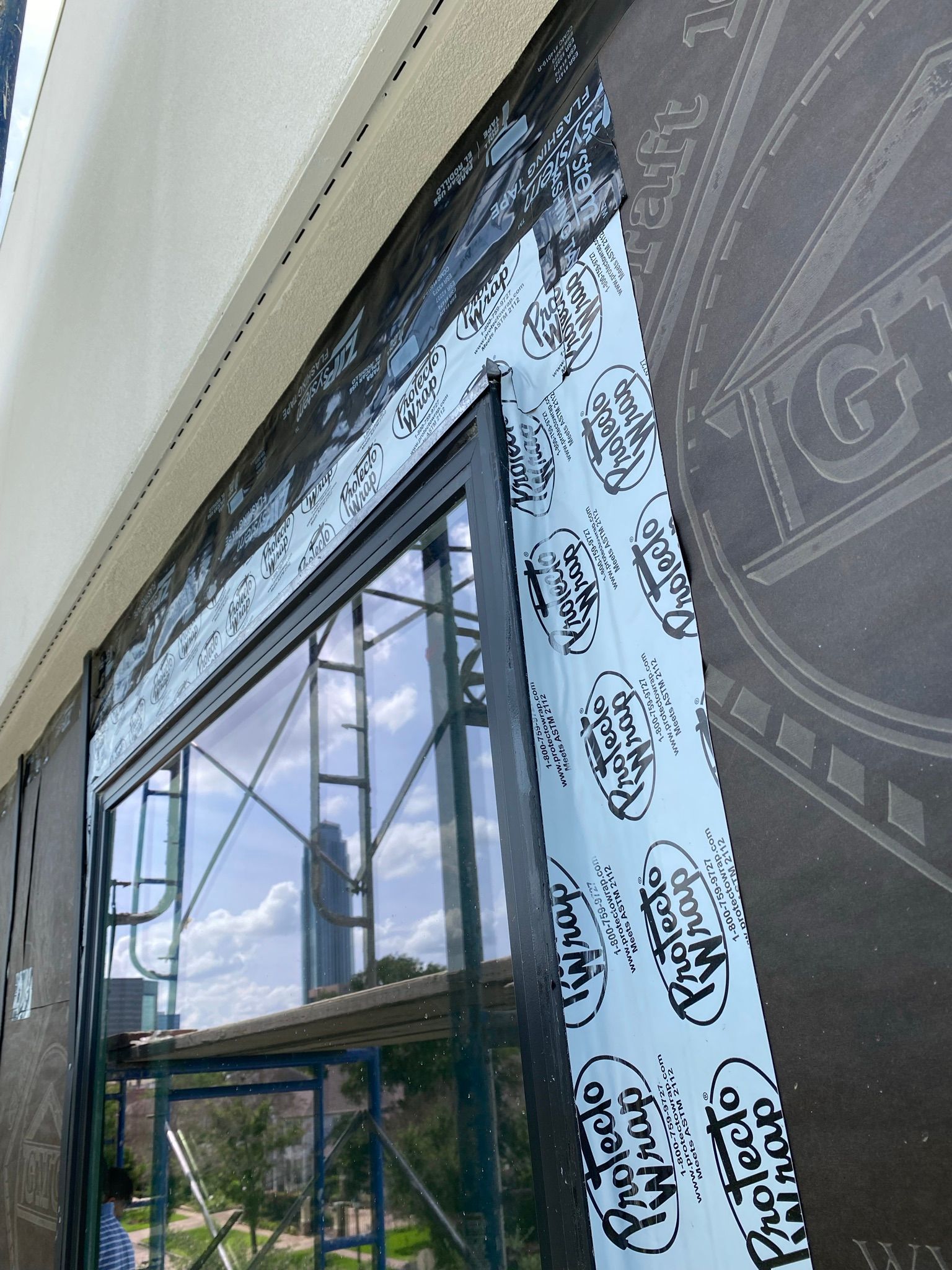
Wood damage frequently occurs when the weather-resistive barrier (WRB) behind the stucco is improperly installed. Common deficiencies include single-layer paper, incorrect lapping, torn or unsealed wrap, and poor integration with flashing systems. These failures prevent proper drainage and drying, causing persistent moisture exposure to the underlying wood structure.
Window and Door Flashing Failures
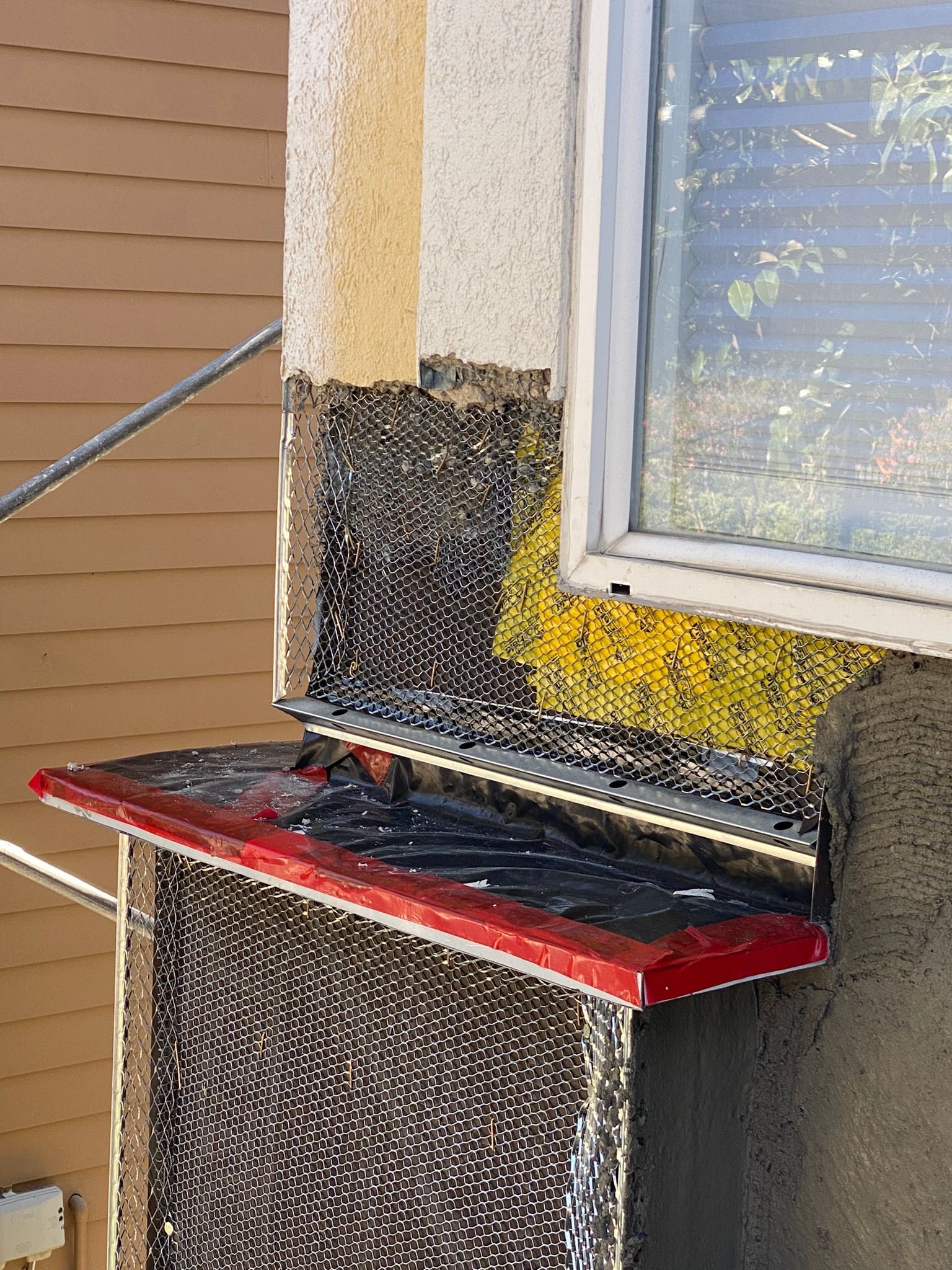
Windows and doors are high-risk areas for water intrusion when proper flashing is missing or incorrectly installed. The absence of sill pans, end dams, or taped transitions allows water to enter the wall cavity and travel downward behind the stucco. This often leads to concealed rot in headers, king studs, jack studs, and surrounding sheathing.
Balcony and Cantilevered Structure Leaks
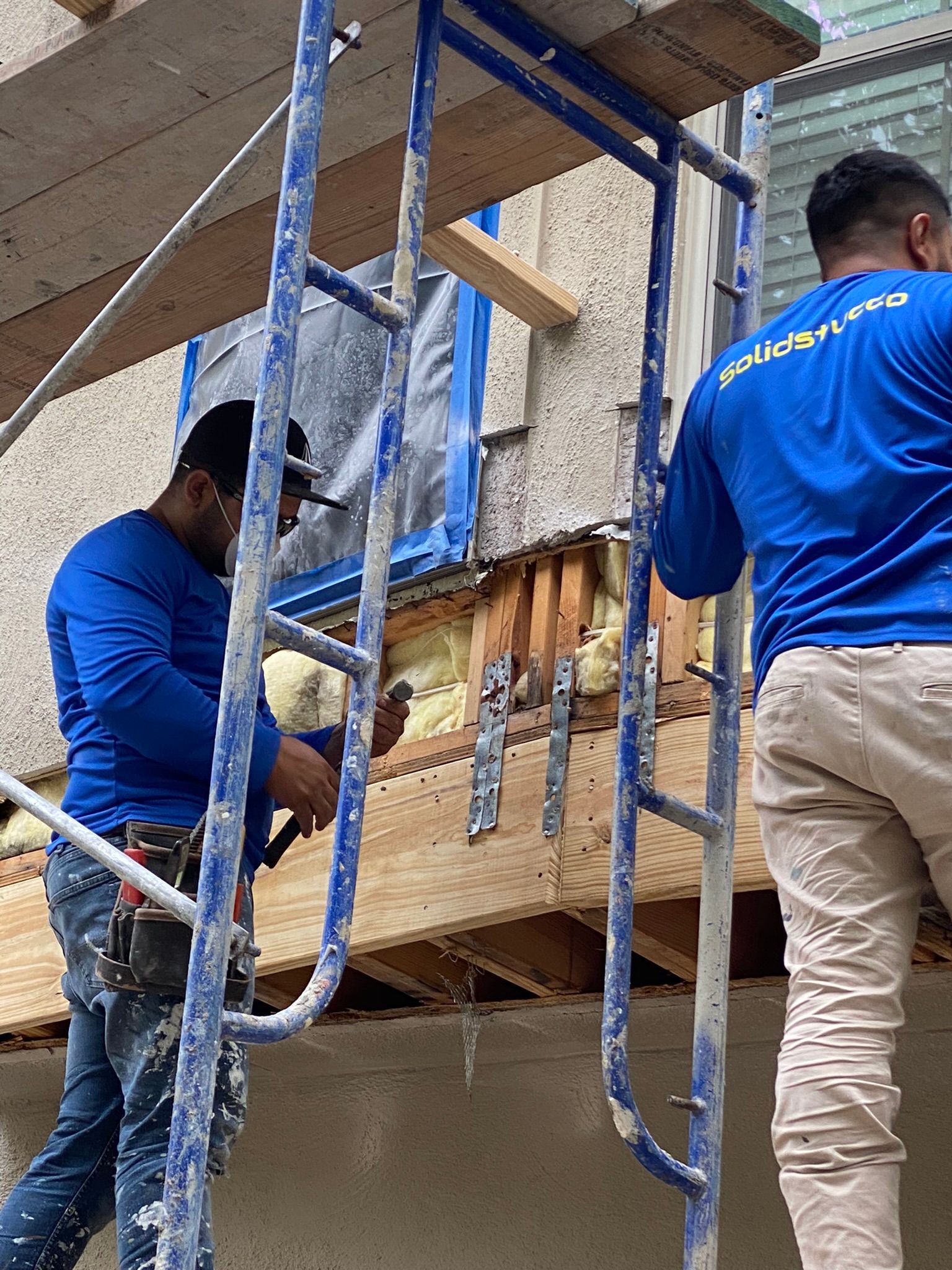
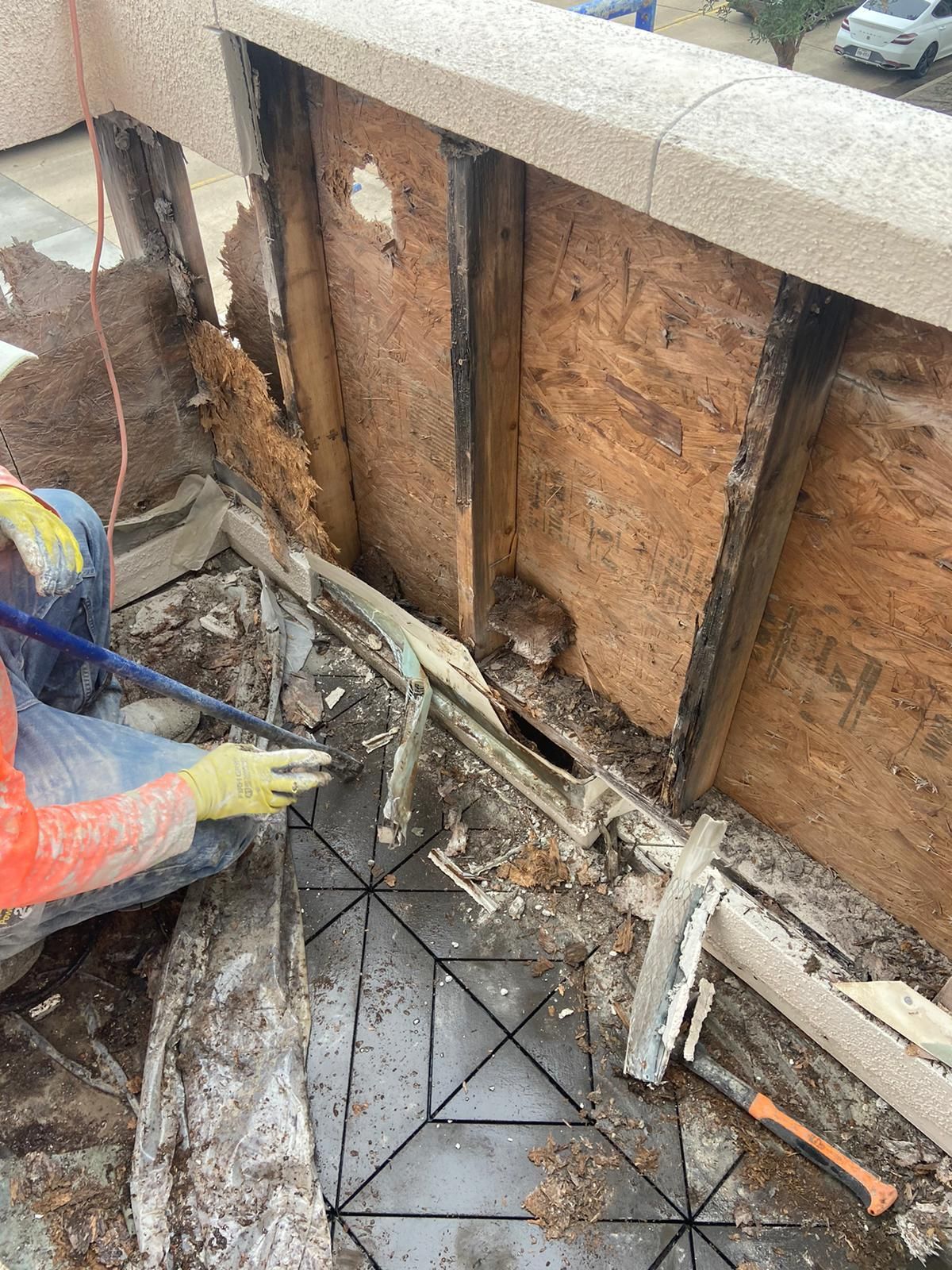
Balconies, decks, and cantilevered slabs are a common source of severe wood damage in Houston homes. Improper slope, failed waterproofing membranes, or incorrect stucco termination allow water to migrate into structural framing. These conditions often result in significant rot requiring beam, ledger, or framing replacement rather than surface repairs.
Grade and Foundation Clearance Issues
When stucco is installed too close to soil or concrete surfaces, moisture from splash-back and ground contact is absorbed into the wall system. Houston’s damp environment intensifies this condition, allowing moisture to wick upward and remain trapped. Over time, this leads to chronic wood deterioration at the base of walls.
Age and Deferred Maintenance
As homes age, sealants dry out, stucco cracks widen, and minor defects go unrepaired. In Houston’s climate, these small failures quickly evolve into continuous moisture intrusion points. Deferred maintenance significantly accelerates wood decay behind solid stucco systems.
Termite and Fungal Activity
Moist wood behind stucco creates ideal conditions for termites and fungal growth. These issues often remain hidden until the stucco is removed, at which point extensive structural damage is discovered. In many cases, the presence of biological activity significantly increases the scope of required wood repairs.
Stucco Repairs
Cracks and Damage
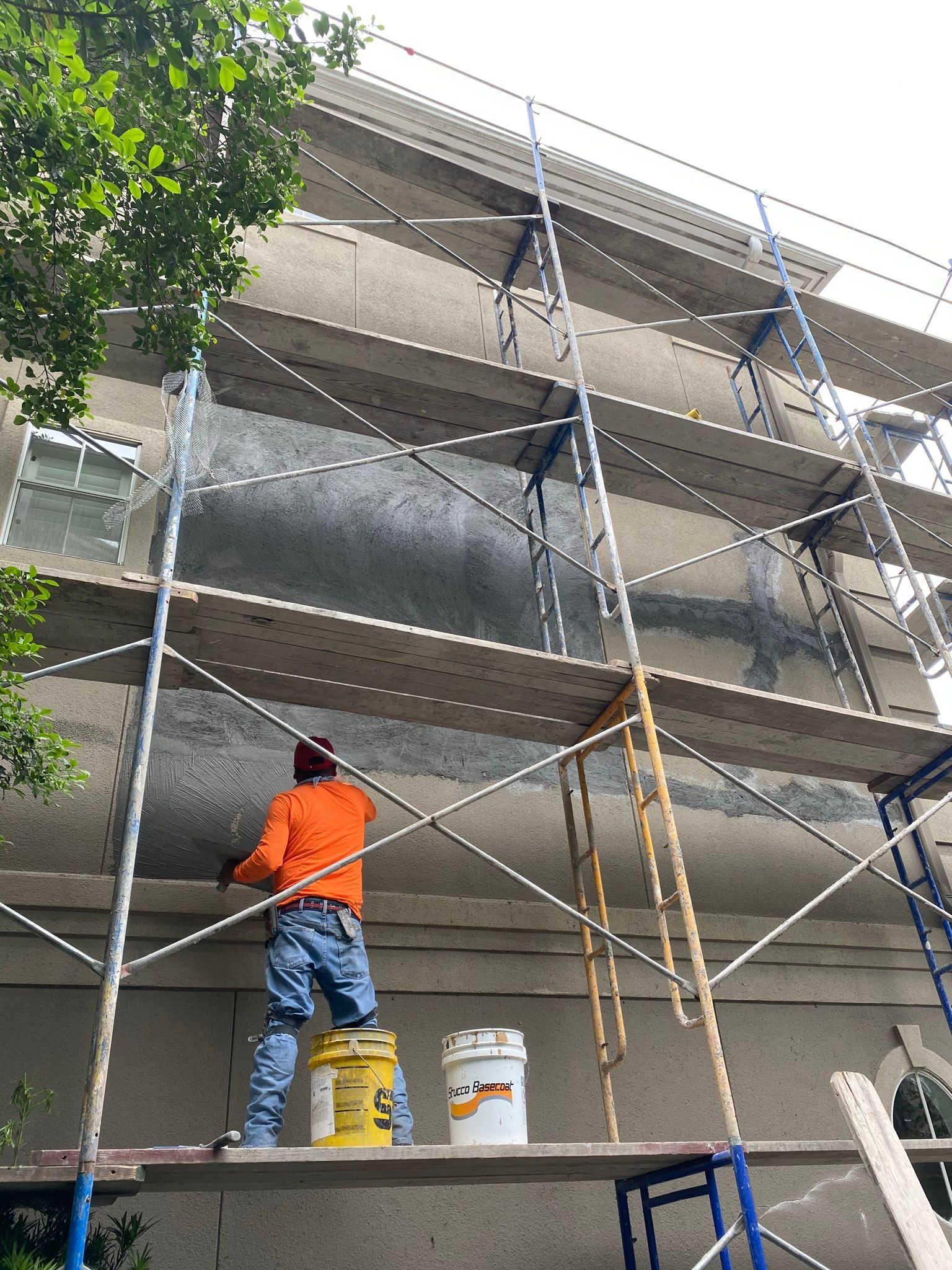
Repairing cracks and other forms of damage that may develop in the existing stucco over time due to weather, settlement, or other factors.
Water Damage
Addressing water damage and moisture-related issues in the stucco, which can lead to mold, rot, or other problems.
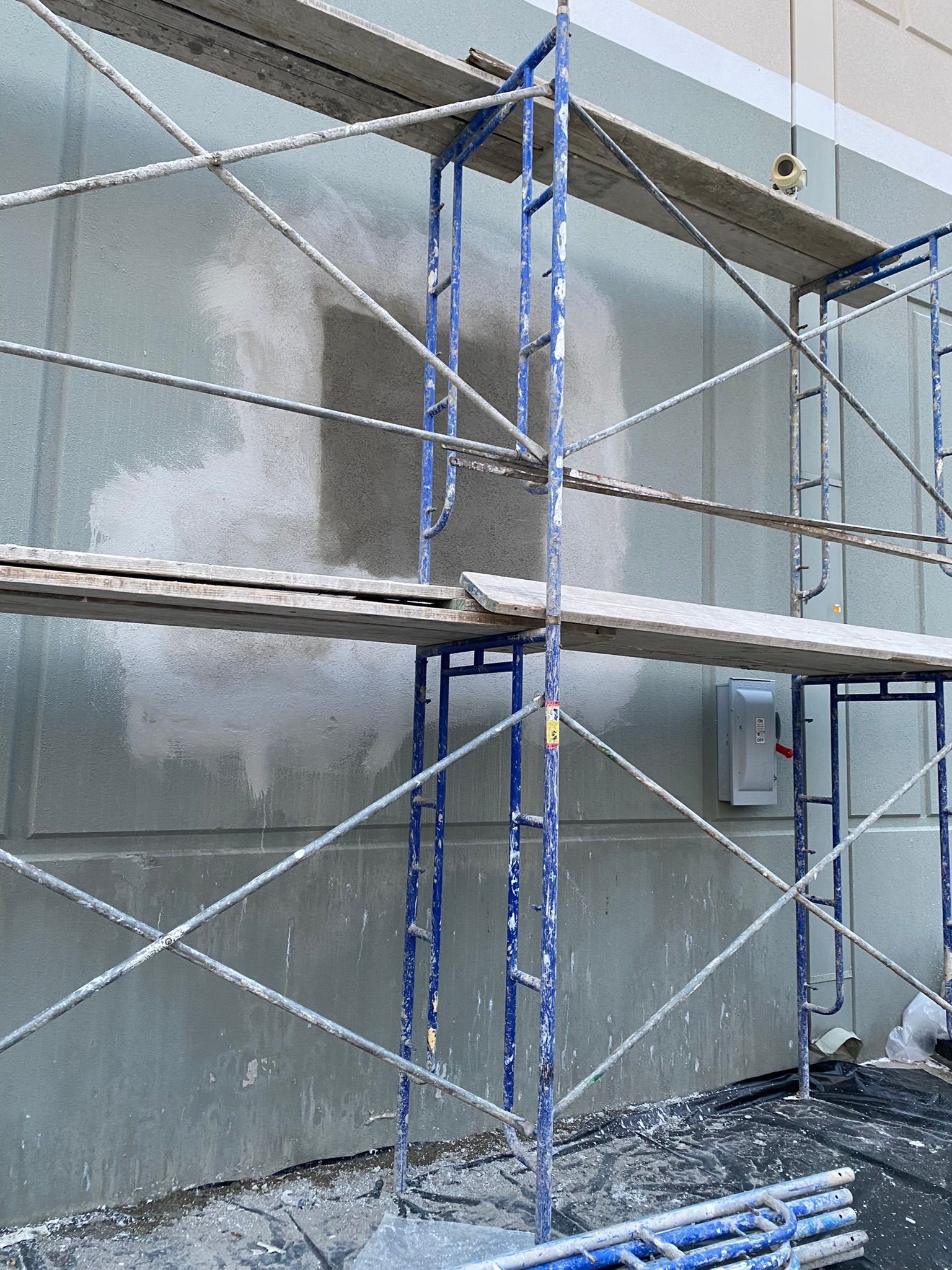
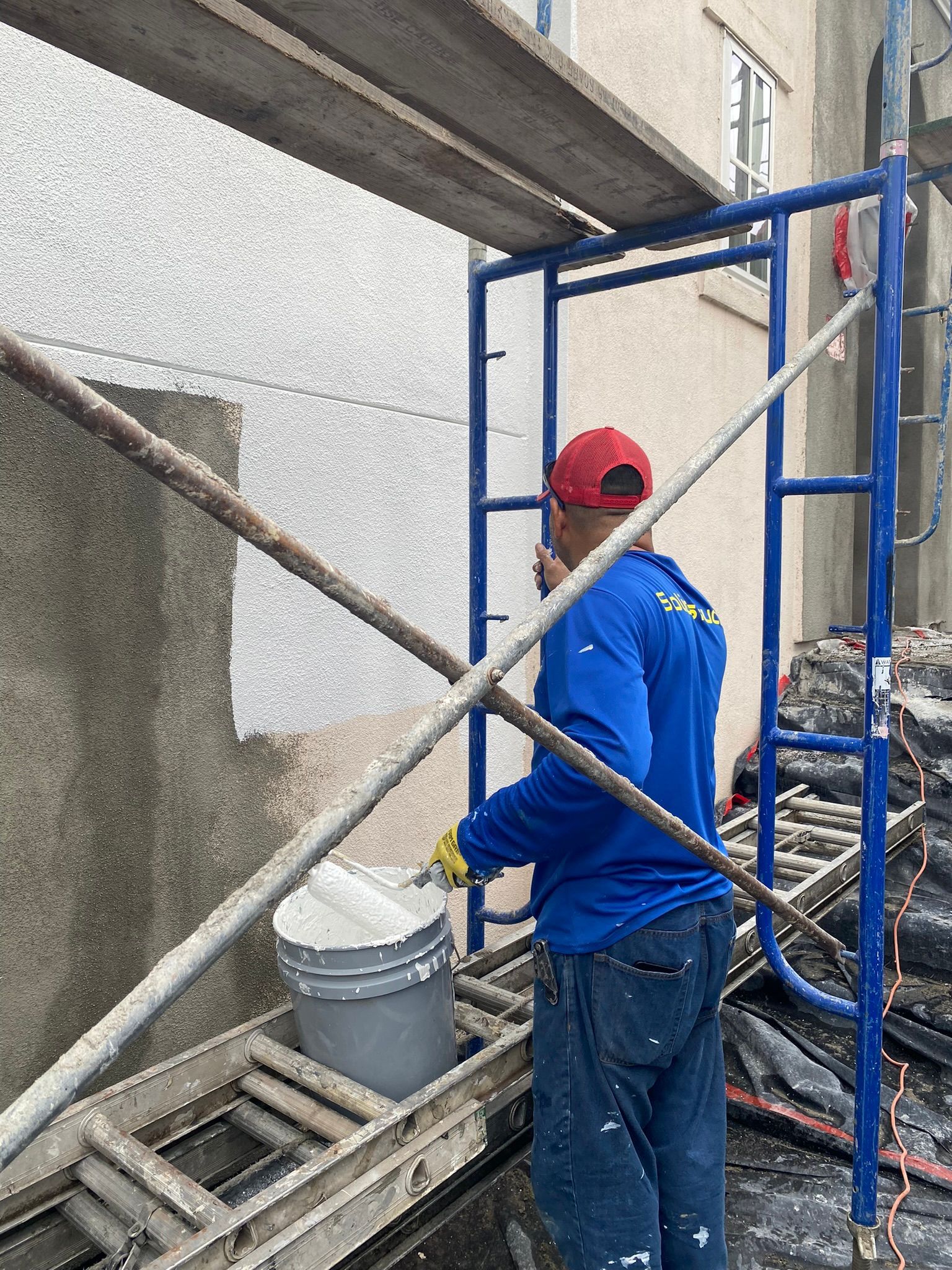
Stucco Patching
Repairing small holes, imperfections, or damaged areas in the stucco surface. This process involves blending new stucco with the existing finish to achieve a seamless appearance.