What a Stucco Moisture Test Reveals About Your Home’s Hidden Damage
What a Stucco Moisture Test Reveals About Your Home’s Hidden Damage
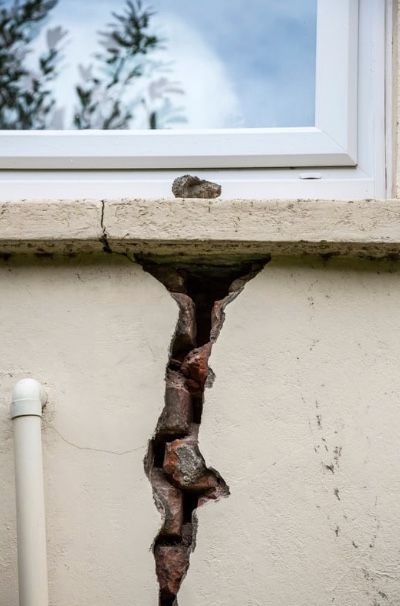
Stucco is a popular, durable exterior finish for homes that offers both aesthetic appeal and protection against the elements. However, like any material, stucco is vulnerable to moisture infiltration, which can cause significant damage if left untreated. While exterior cracks and stains are visible signs of moisture problems, they don’t always reveal the full extent of the damage lurking behind the walls. This is where a stucco moisture test comes into play.
What is a Stucco Moisture Test?
A stucco moisture test involves using specialized equipment to measure the moisture levels within the stucco layers, which include the surface layer, the wire mesh, and the building materials behind the stucco. Technicians typically use a moisture meter, which either detects electrical conductivity or uses probes to measure moisture content in the walls. This non-invasive test helps to detect water damage in places that aren’t visible to the naked eye, such as behind the stucco or within the wall cavity.
What a Stucco Moisture Test Can Reveal
- Hidden Water Trapped Behind the Stucco
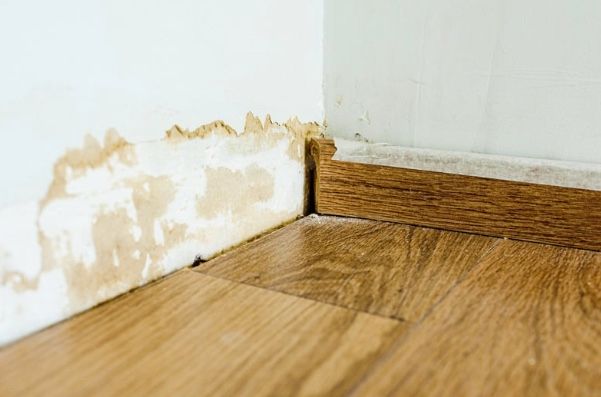
One of the primary things a stucco moisture test can reveal is whether water is trapped behind the surface of the stucco. Water can enter through small cracks, around windows, or through poor drainage, often without any visible exterior signs. Moisture can slowly damage the internal structure, leading to rot, mold, or rust. A moisture test helps detect this hidden water before it causes significant damage.
- Extent of Water Damage
A moisture test can help determine how far water has penetrated the stucco. It can identify whether the moisture is confined to the surface layer or if it has seeped into the underlying materials like the insulation, wire mesh, or even the wood framing of your home. Knowing the extent of the damage allows for a more accurate assessment of the repairs needed.
- Mold and Mildew Growth
Moisture is a key factor in the growth of mold and mildew. If there is excess moisture trapped in the stucco or behind the walls, it can create the perfect environment for mold to thrive. The presence of mold can lead to serious health issues, including respiratory problems, allergic reactions, and even structural damage. A stucco moisture test can help detect mold growth before it becomes visible on the surface.
- Structural Integrity Concerns
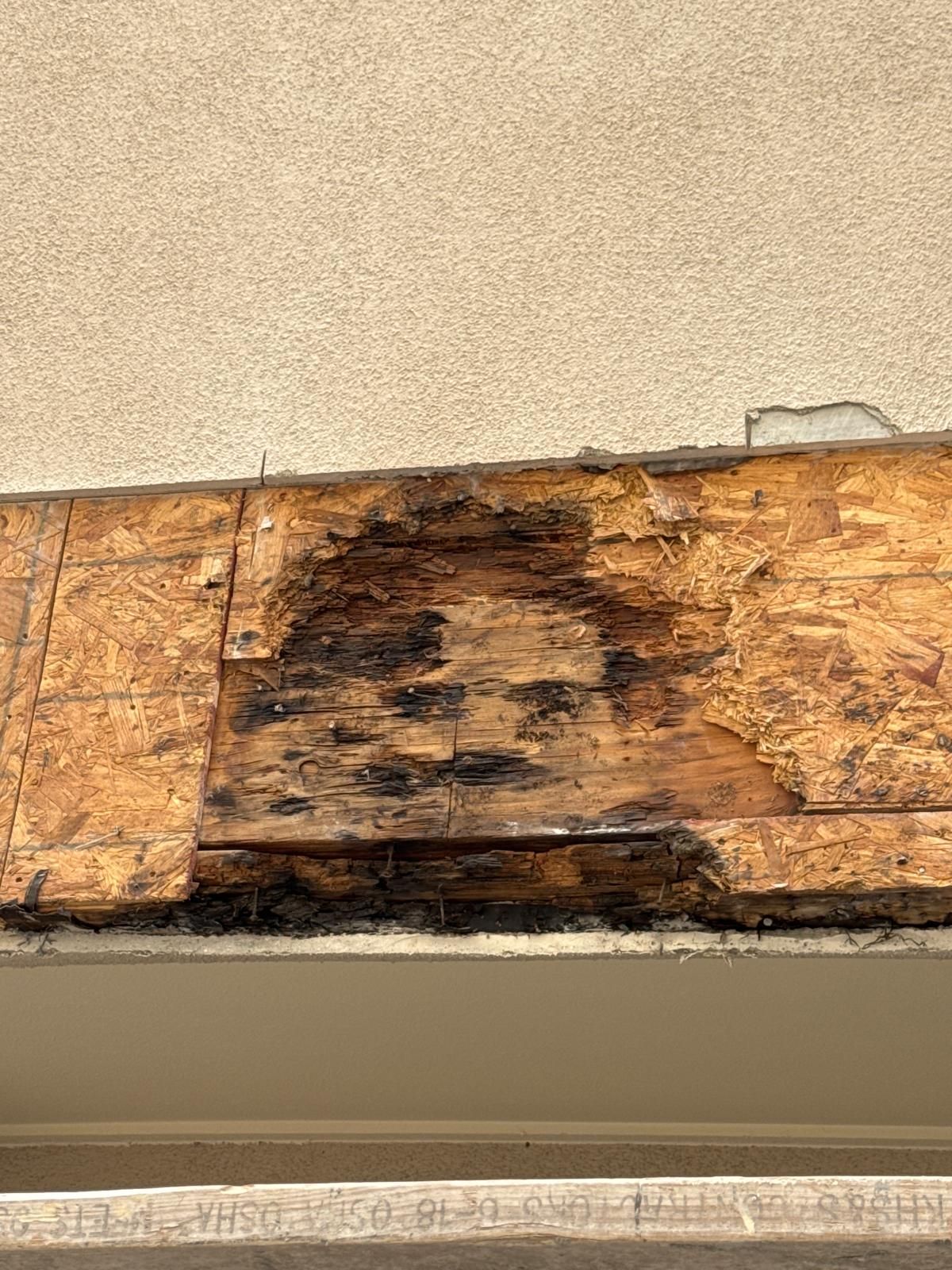
Prolonged moisture infiltration can weaken the structural integrity of the materials behind the stucco. This can lead to softening of wood, rusting of metal components, and deterioration of insulation. A moisture test can help identify any weakening of the structure, allowing for repairs to be made before the damage becomes a major structural issue.
- Potential for Future Water Damage
A stucco moisture test can also highlight areas of potential concern, even if the water damage hasn’t yet reached an alarming level. Early detection of moisture buildup allows homeowners to address issues such as poor drainage, clogged gutters, or cracks in the stucco before they cause more extensive damage down the road.
Why Should You Have a Stucco Moisture Test Done?
- Prevent Costly Repairs
Detecting moisture issues early can save you thousands of dollars in repair costs. Water damage behind the stucco can lead to rotting wood, rusting metal, and the growth of mold—problems that are expensive to fix. By catching the issue early, you can address the root cause of the problem before it leads to major damage.
- Protect Your Home’s Value
Moisture damage can significantly decrease the value of your home, especially if it leads to structural issues or mold infestations. Regular moisture testing helps maintain your home’s integrity, ensuring that it retains its value and remains a safe place to live.
- Improve Indoor Air Quality
If water gets into the walls and causes mold growth, it can negatively impact indoor air quality. Mold spores can spread through the air, affecting your health and the air you breathe. A stucco moisture test helps detect potential mold before it has the chance to spread.
- Ensure Long-Term Durability of Your Stucco
Stucco is designed to last for decades, but its longevity can be compromised by moisture damage. A moisture test helps ensure that your stucco remains intact, functional, and beautiful for years to come, preserving the overall look and protection that stucco provides.
What Happens After a Stucco Moisture Test?
If the moisture test reveals that there’s hidden water damage behind the stucco, the next step is to address the source of the moisture. This could involve repairing cracks, improving drainage, or replacing sections of stucco that have been severely damaged. Depending on the extent of the damage, the stucco may need to be replaced, or repairs could be as simple as sealing small cracks or applying a protective coating to prevent further moisture infiltration.
If mold or mildew is detected, it’s essential to remove it properly to avoid health risks. This might involve cleaning the affected areas, replacing moldy insulation, and installing a vapor barrier to prevent future moisture buildup.
Conclusion
A stucco moisture test is a crucial step in ensuring the longevity and safety of your home. By identifying hidden moisture issues early, you can prevent costly repairs, protect your home’s structural integrity, and maintain a healthy living environment. If you suspect that your stucco may have water damage or if it’s been a while since your last moisture test, it’s wise to schedule one with a professional. Early detection and timely repairs can save you a lot of stress and expense in the long run.
You might also like